SOLAR SCHOLARS TRAINING
Shifting the Pawa to our communities and away from fossil fuels
Solar Scholars. Pacific leaders shifting the Pawa back to our communities.
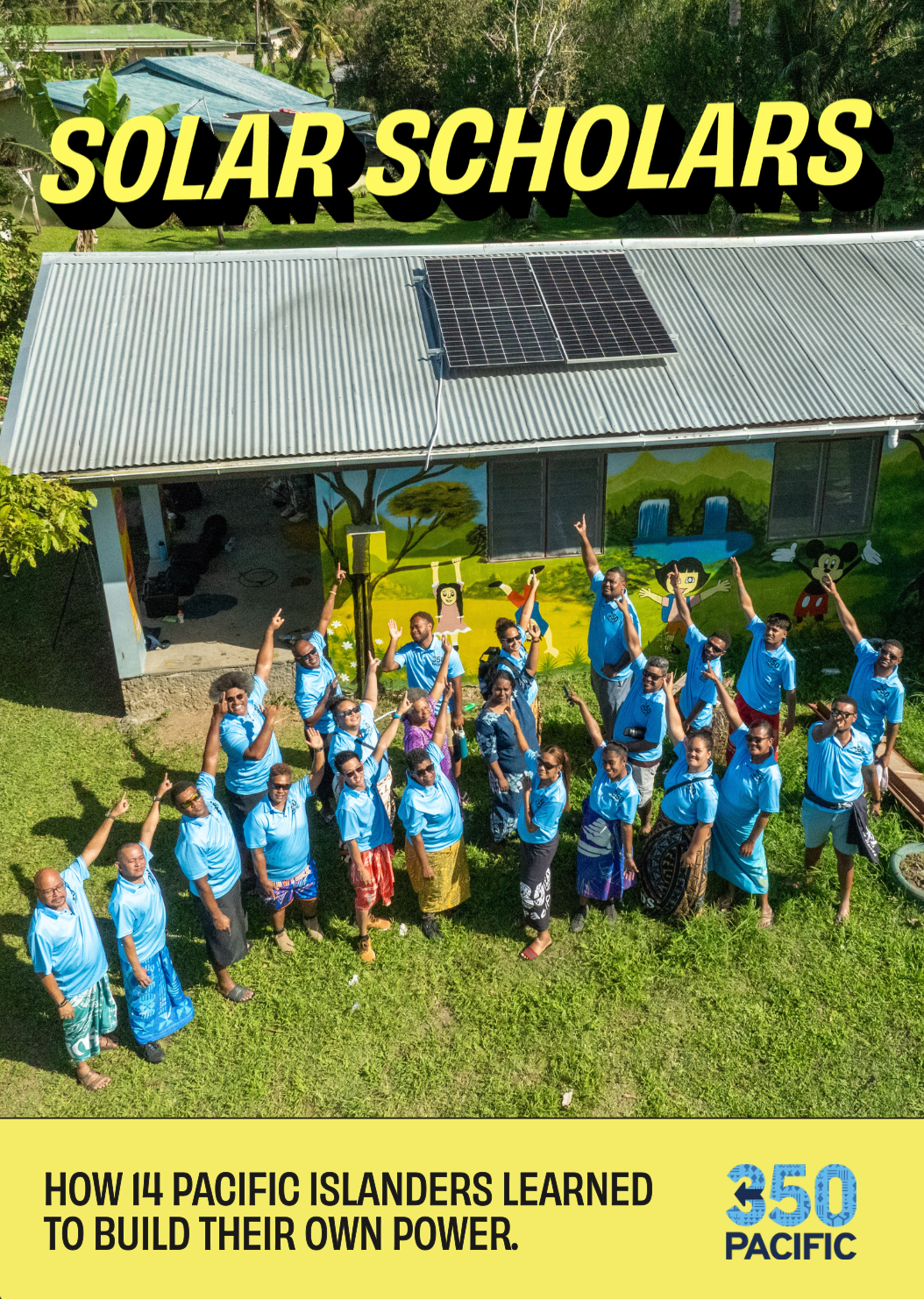
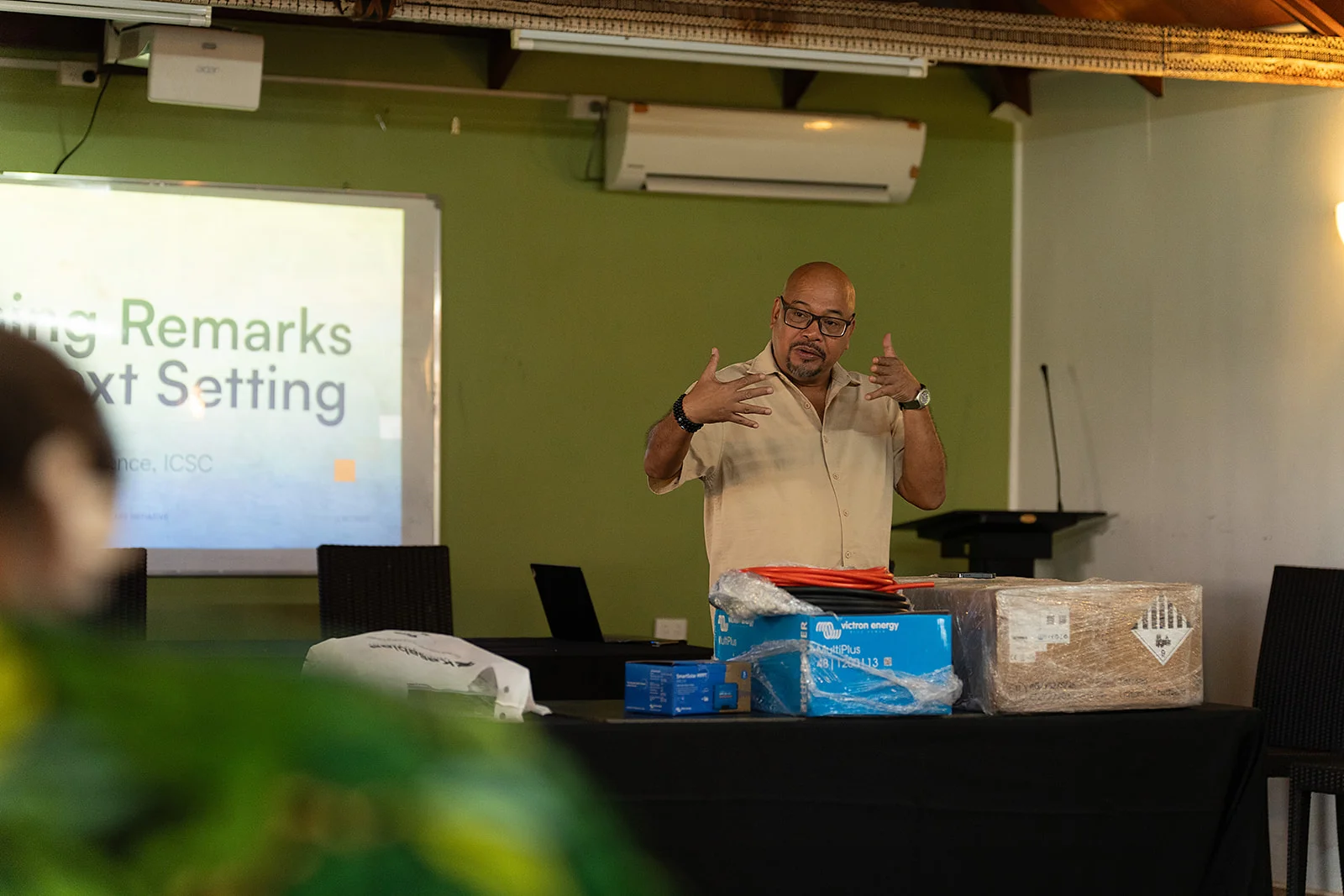
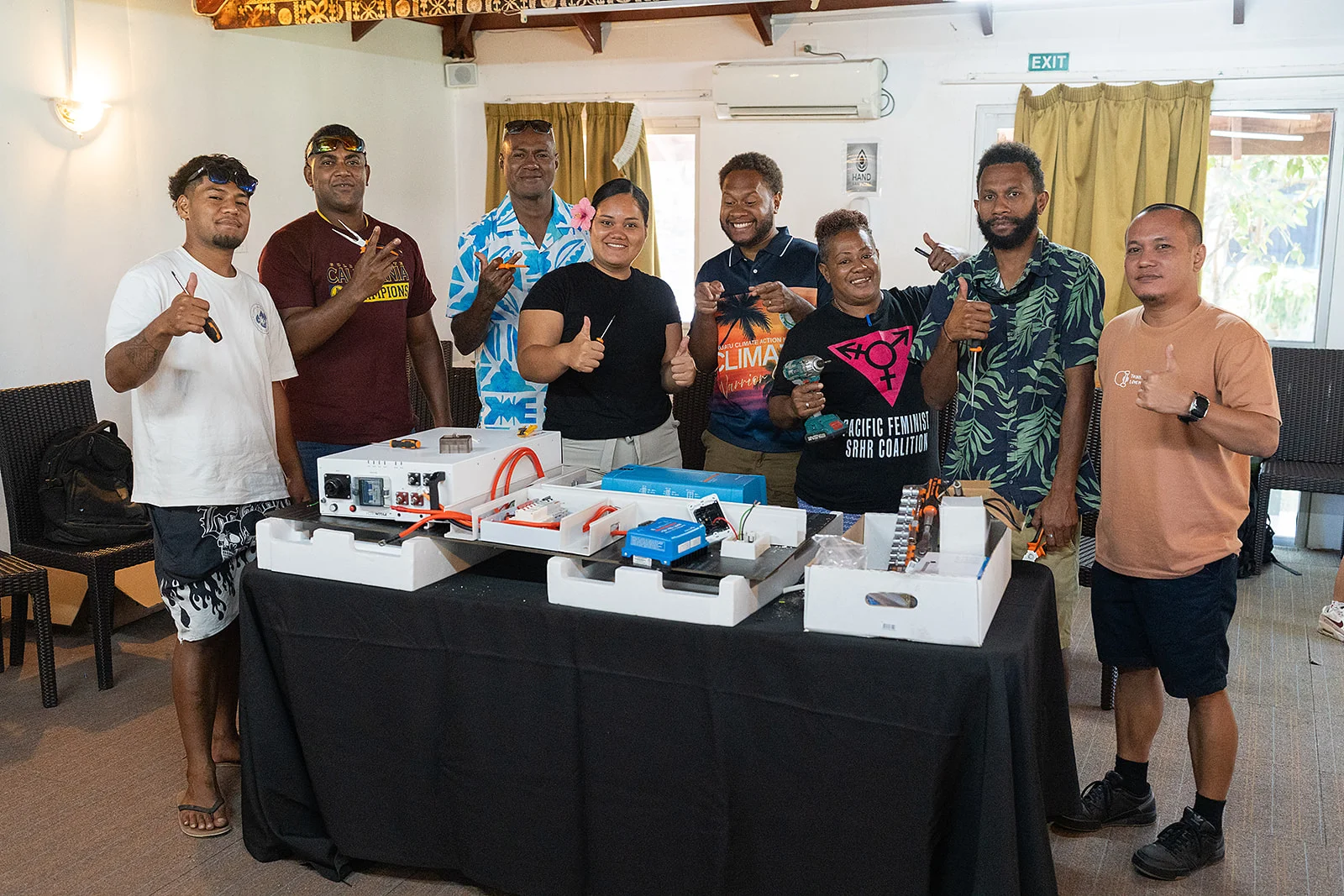
From 26 to 29 May, 350 Pacific and the Institute for Climate and Sustainable Cities (ICSC) brought together passionate advocates for an intensive Solar Scholars Training.
This wasn’t just about learning the technicalities of solar energy; it was about reclaiming our pawa. By equipping Pacific people with the skills to assemble, install, maintain, and advocate for renewable energy, we are building true community resilience from the ground up.
The Solar Scholars initiative is part of our 2026 campaign, The Great Pawa Shift. A movement to shift the pawa to people and away from polluters.
Together, we can demand a different, a better future – where people come before polluters, and clean, affordable energy is within reach for everyone.
The Great Pawa Shift starts now, are you in?
MEET THE SOLAR SCHOLARS
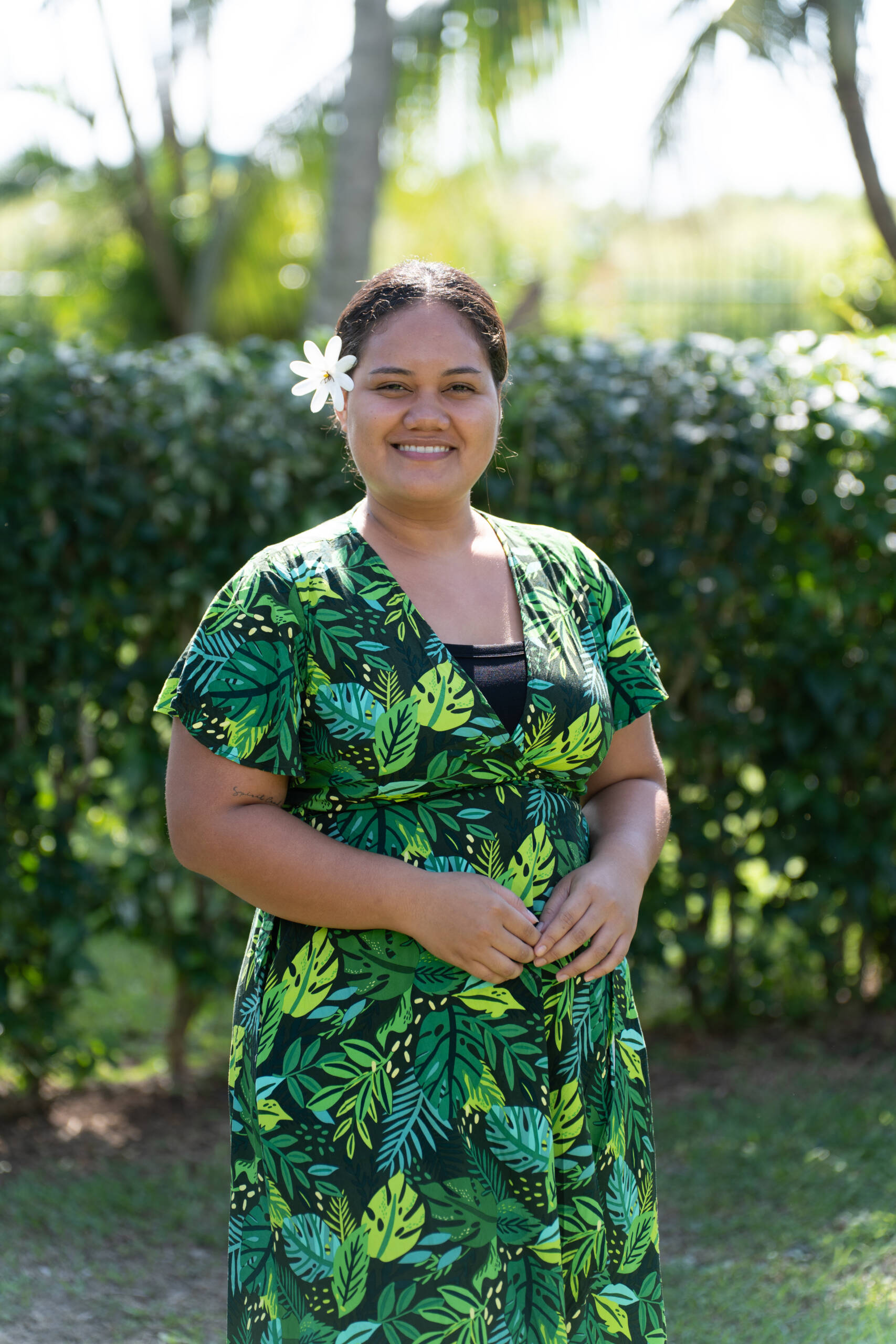
Mililani Homasi
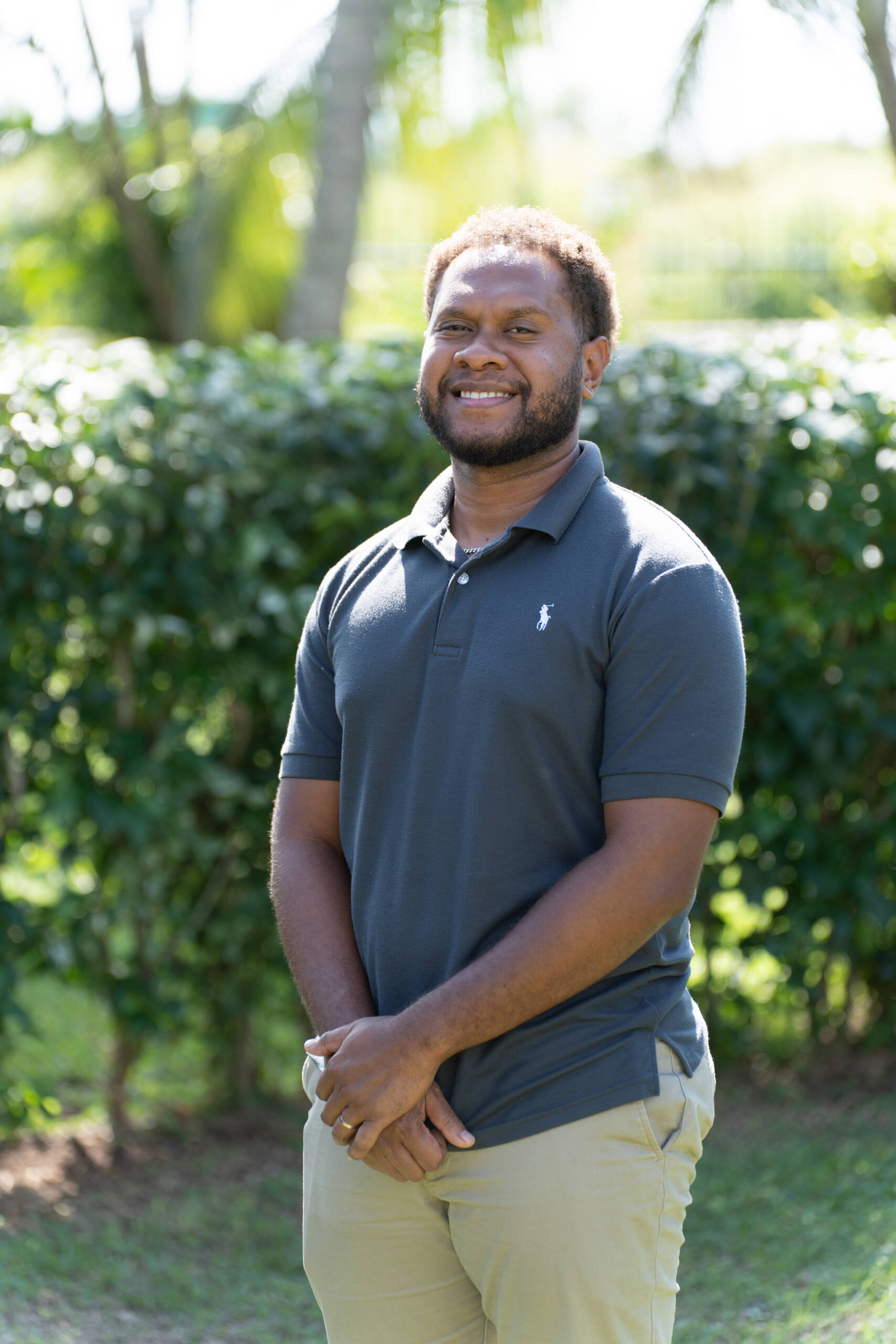
Mario Liunamel
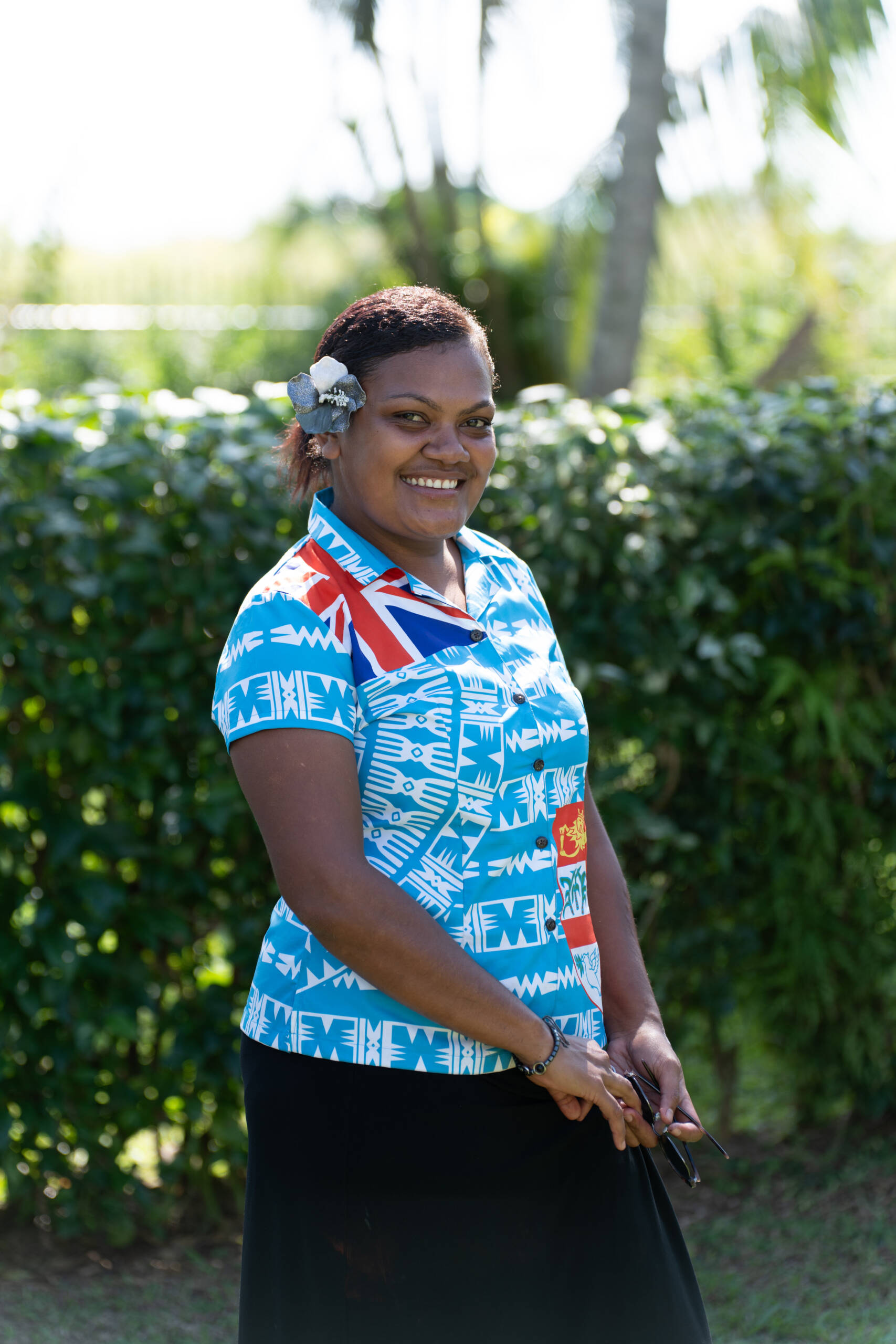
Miliana Francis
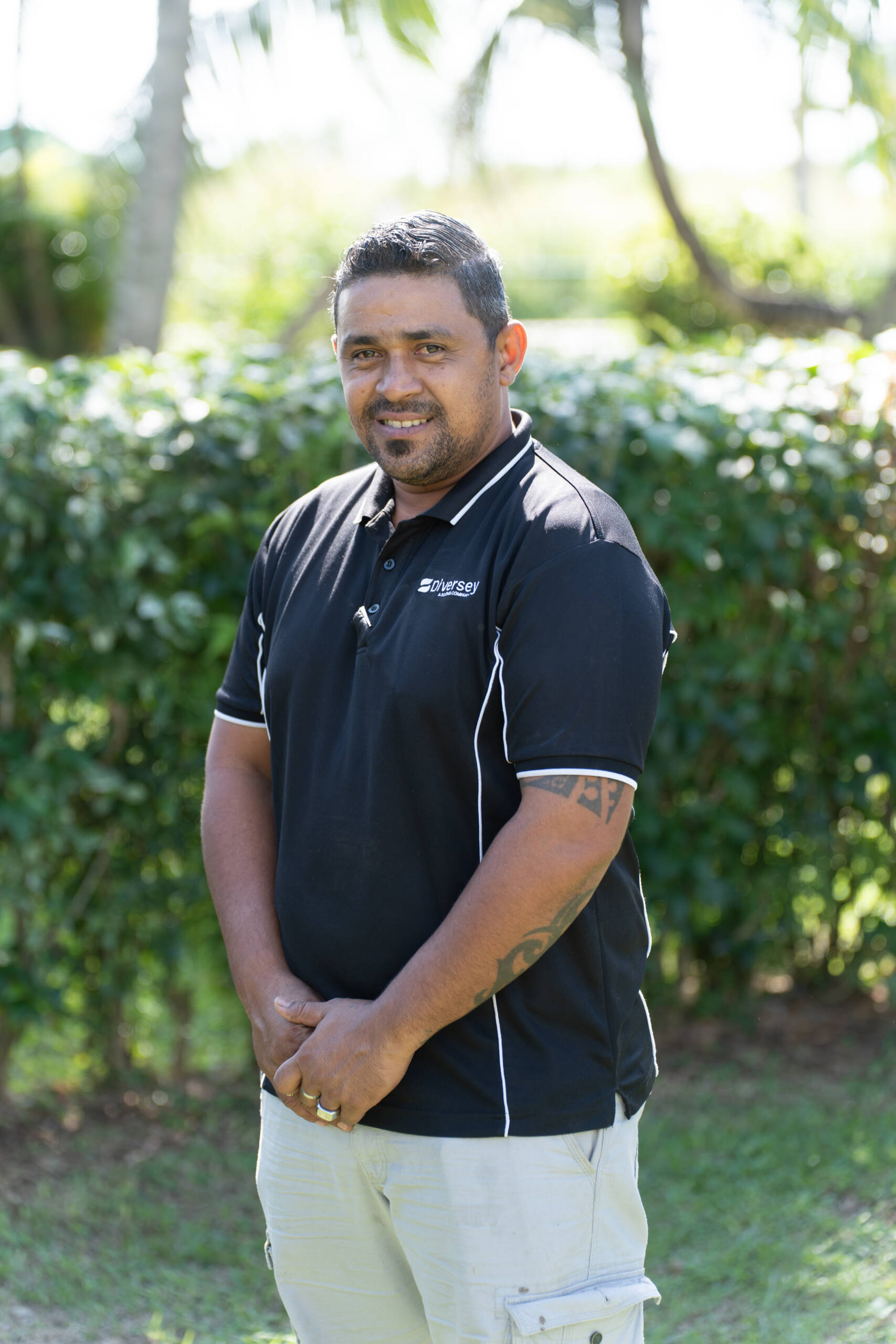
Jacob Whippy
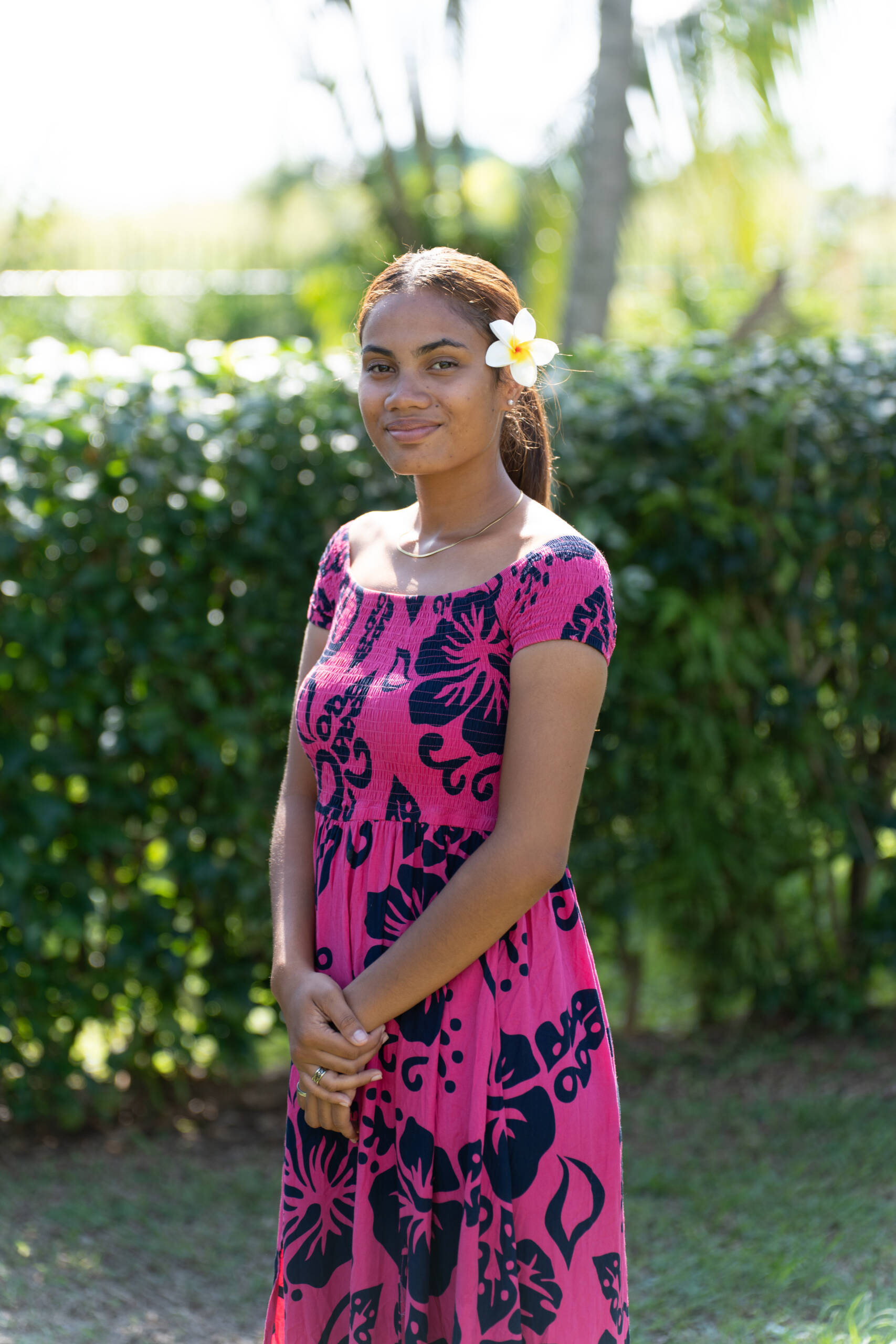
Susana Pita
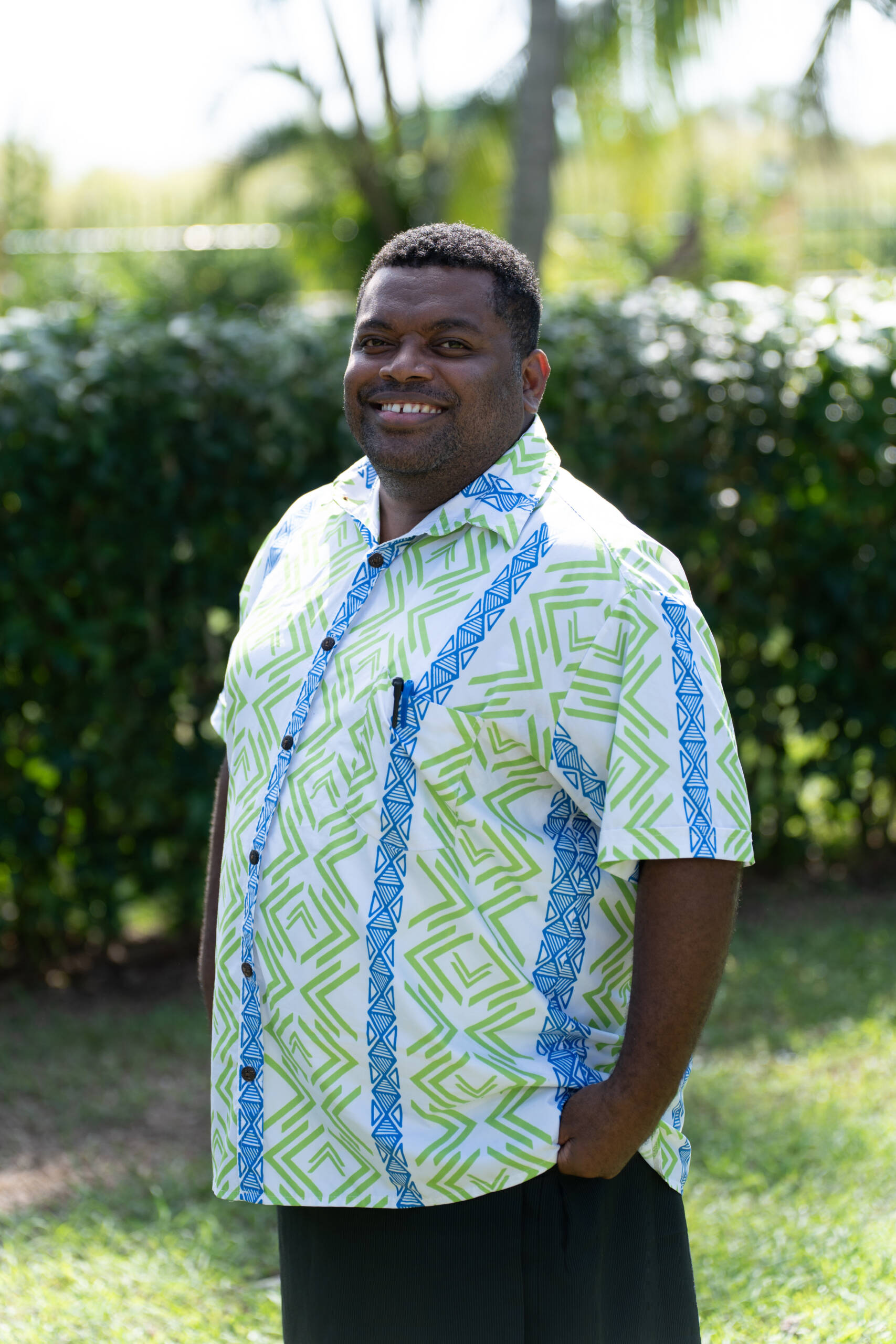
Josaia Tokoni
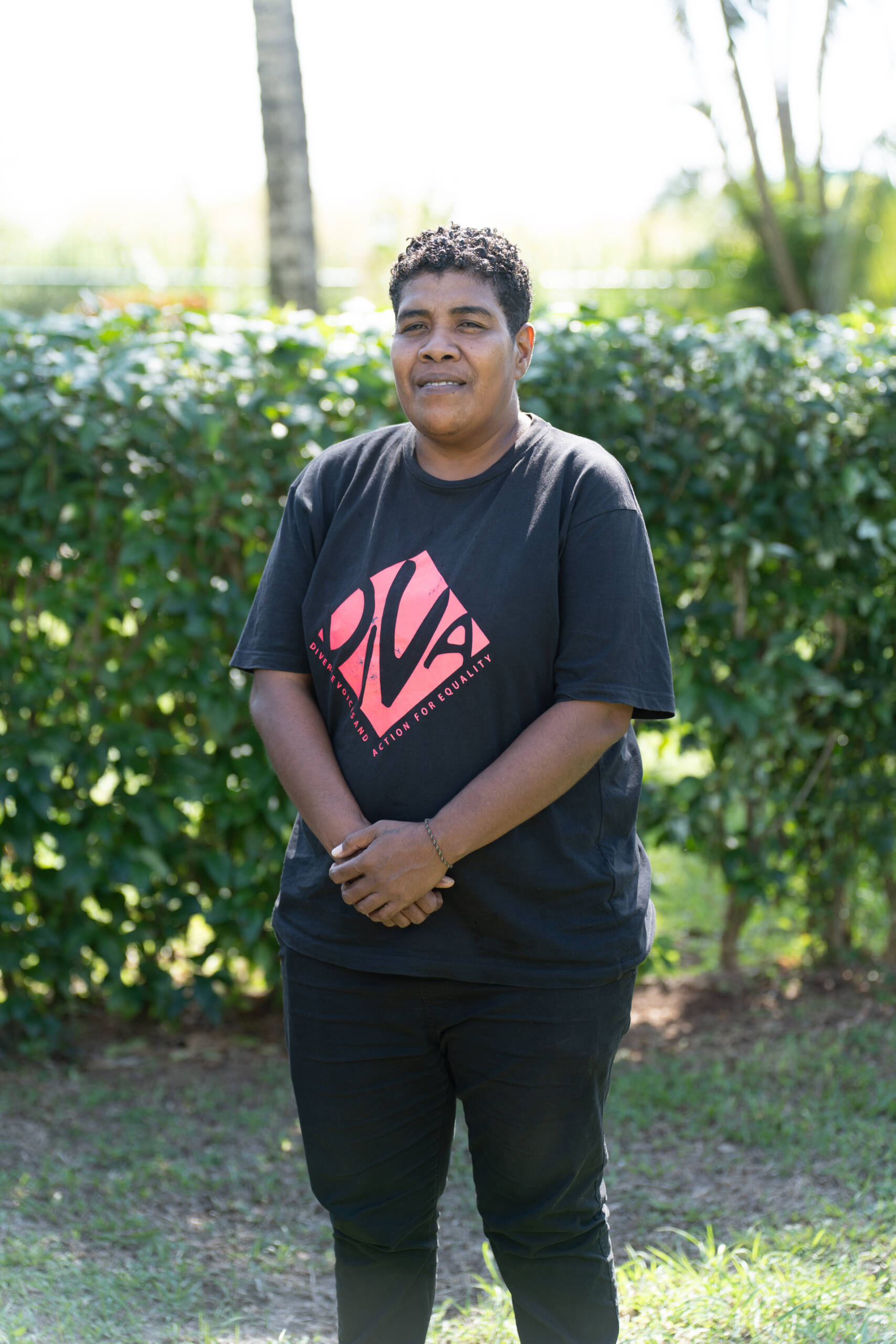
Vika Kalokalo
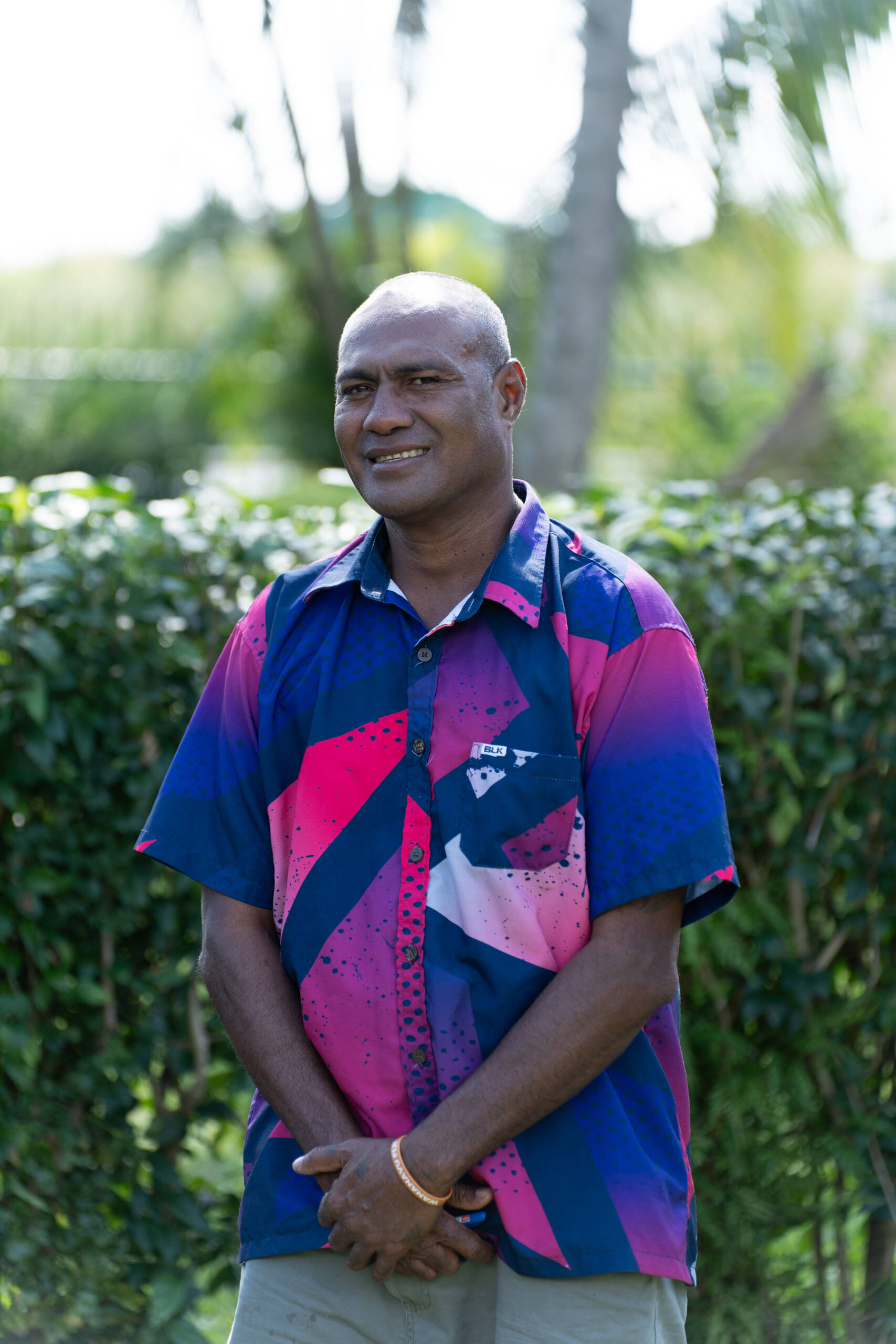
Kalaveti Nasamila
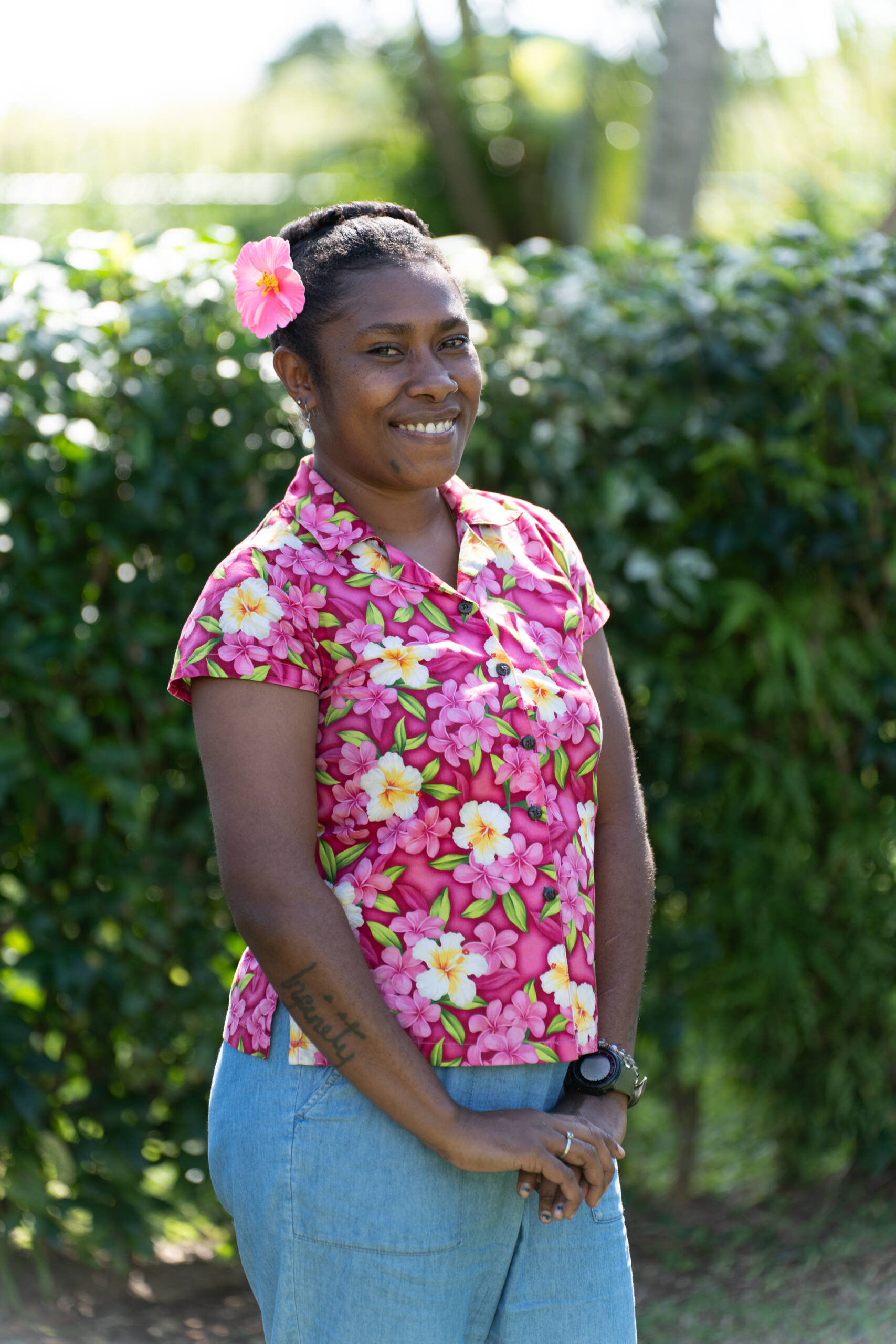
Mere Raoba
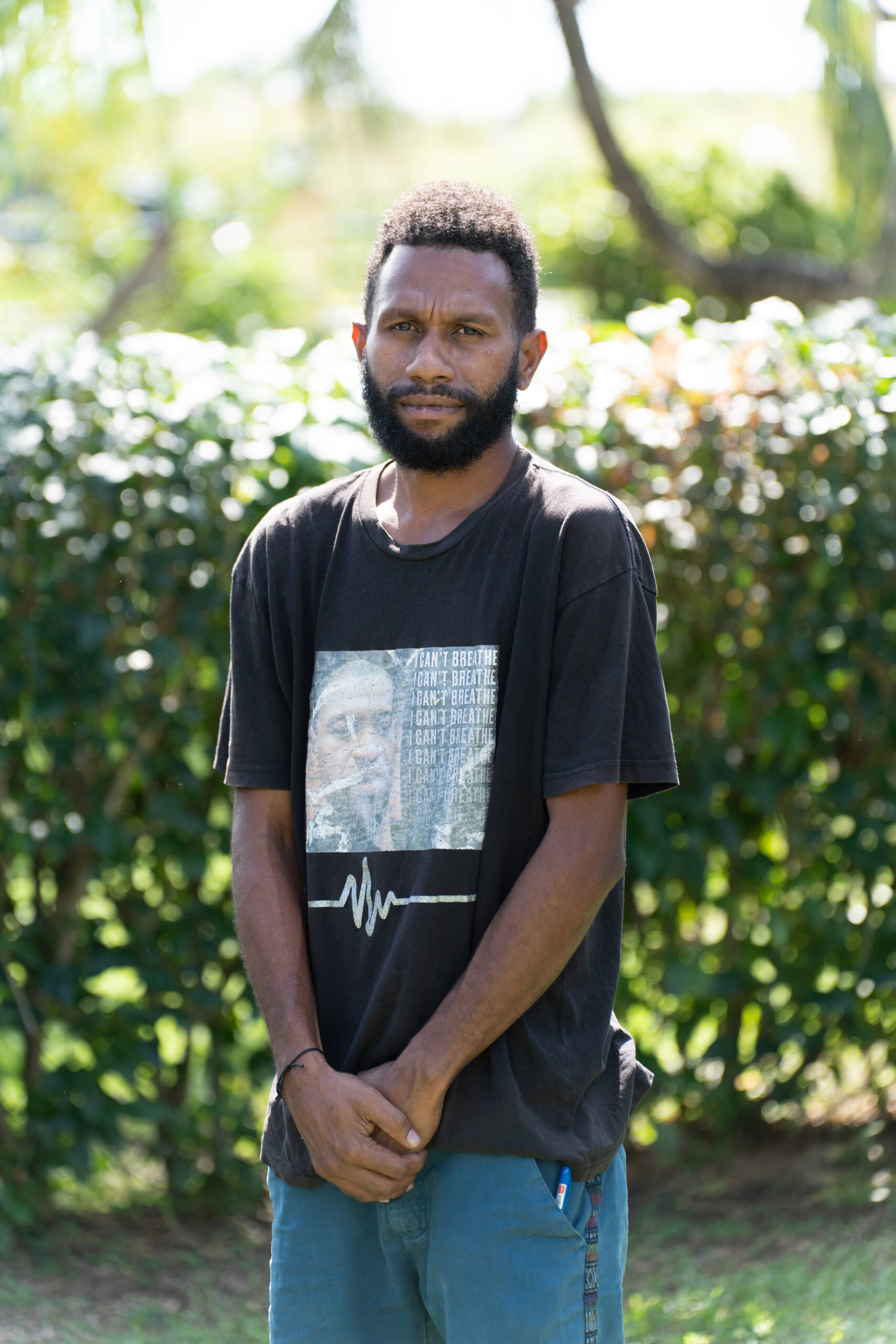
Billingsly Arutoka
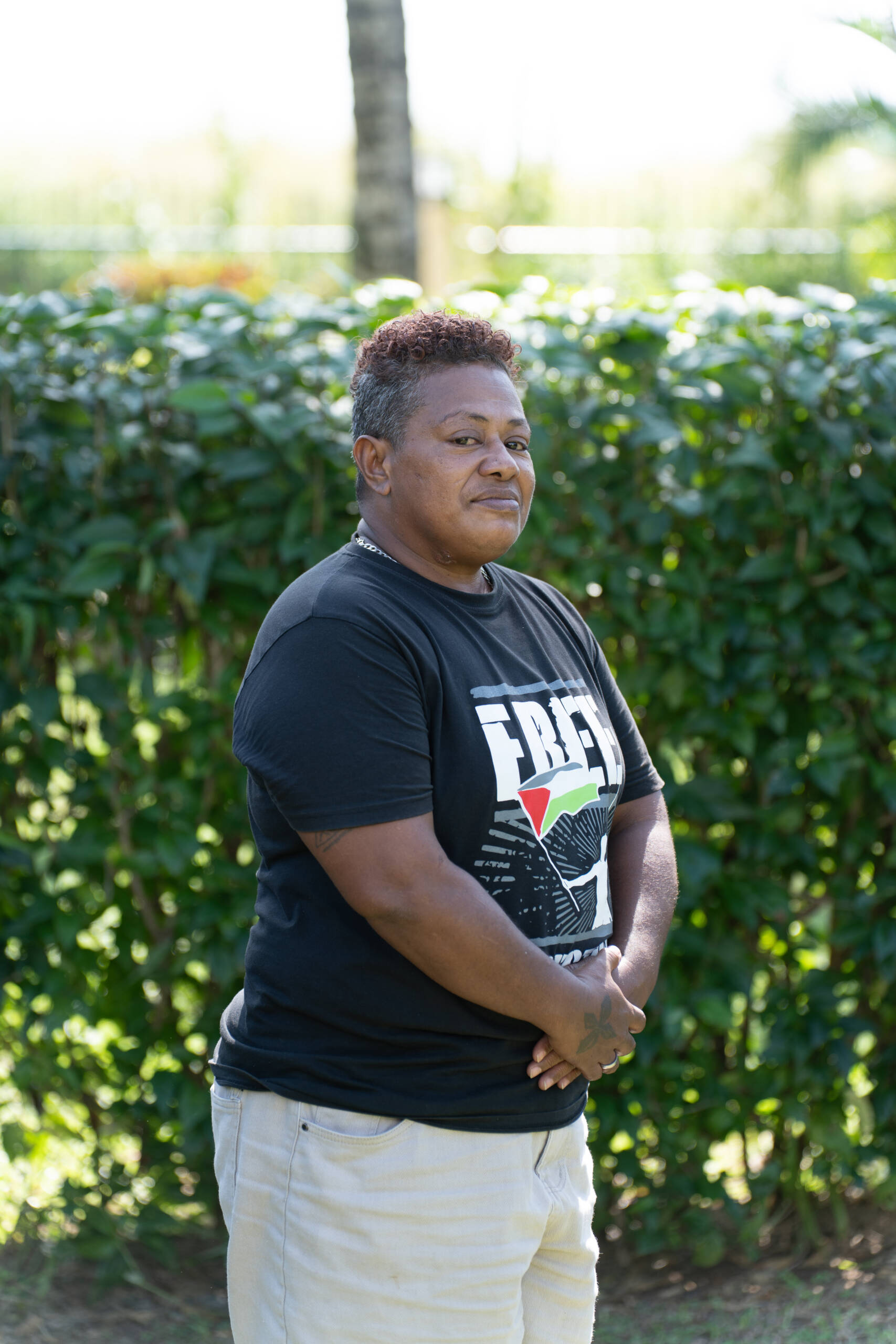
Narieta Marama
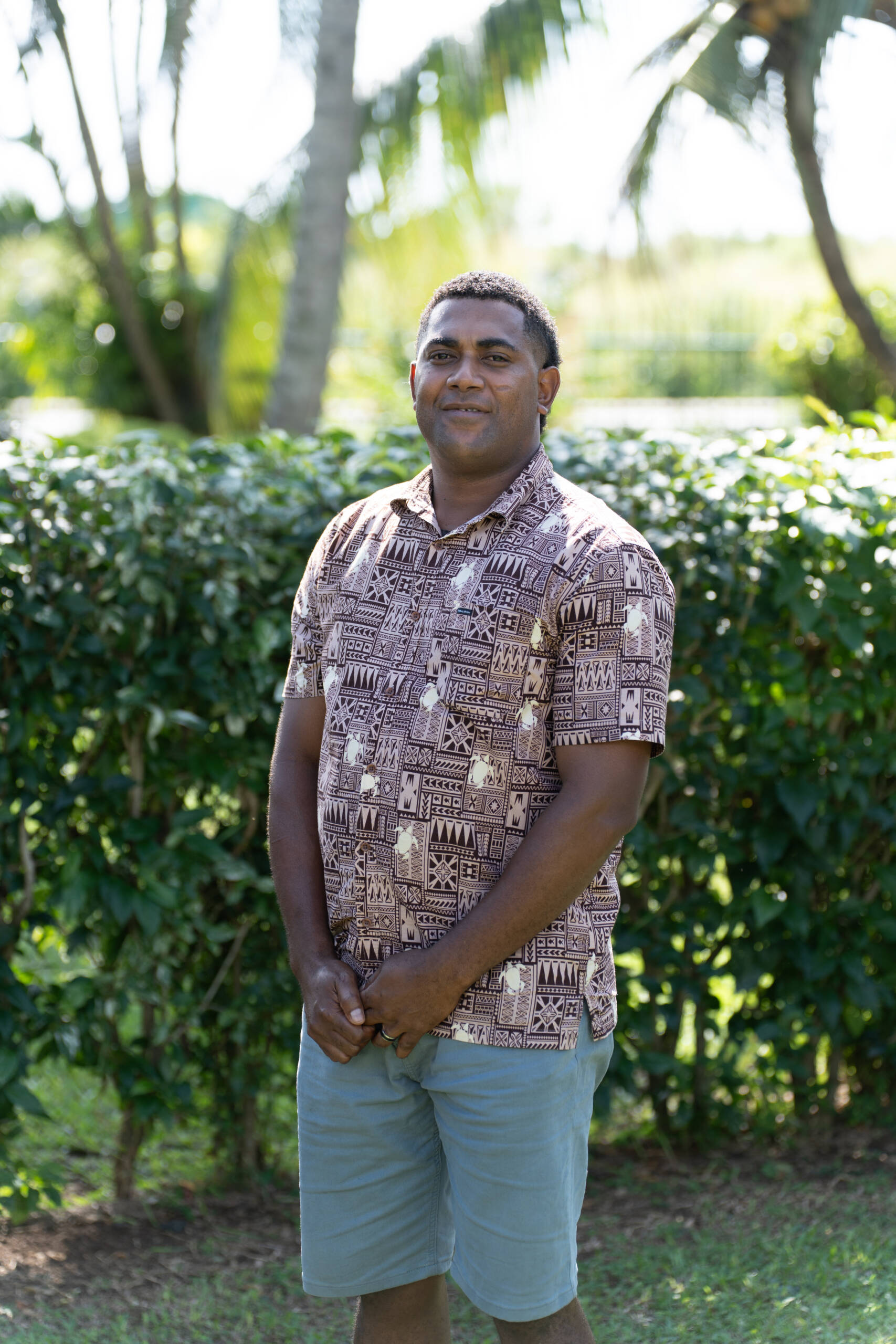
Isimeli Qalobula
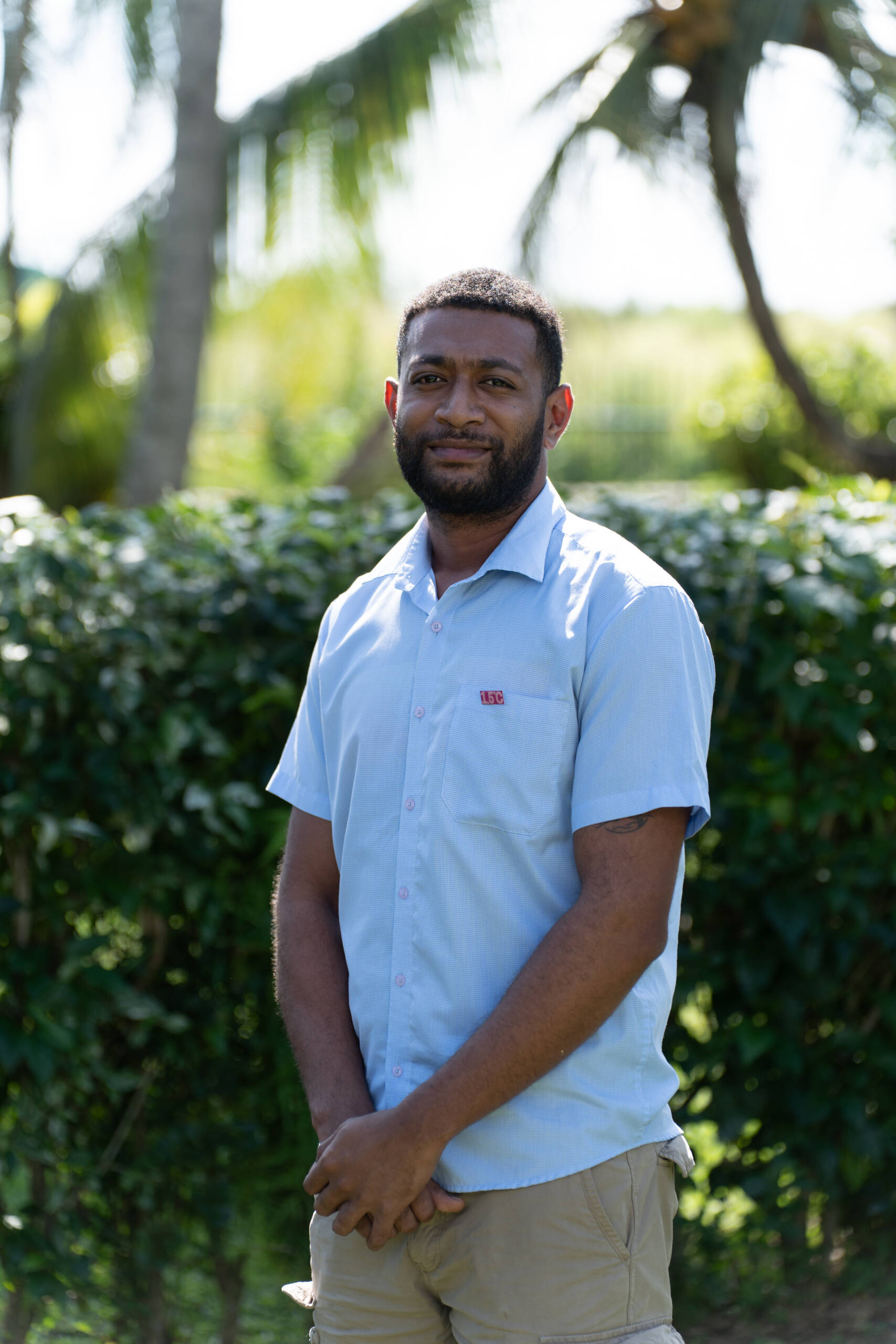
Ilaisa Kauyaca
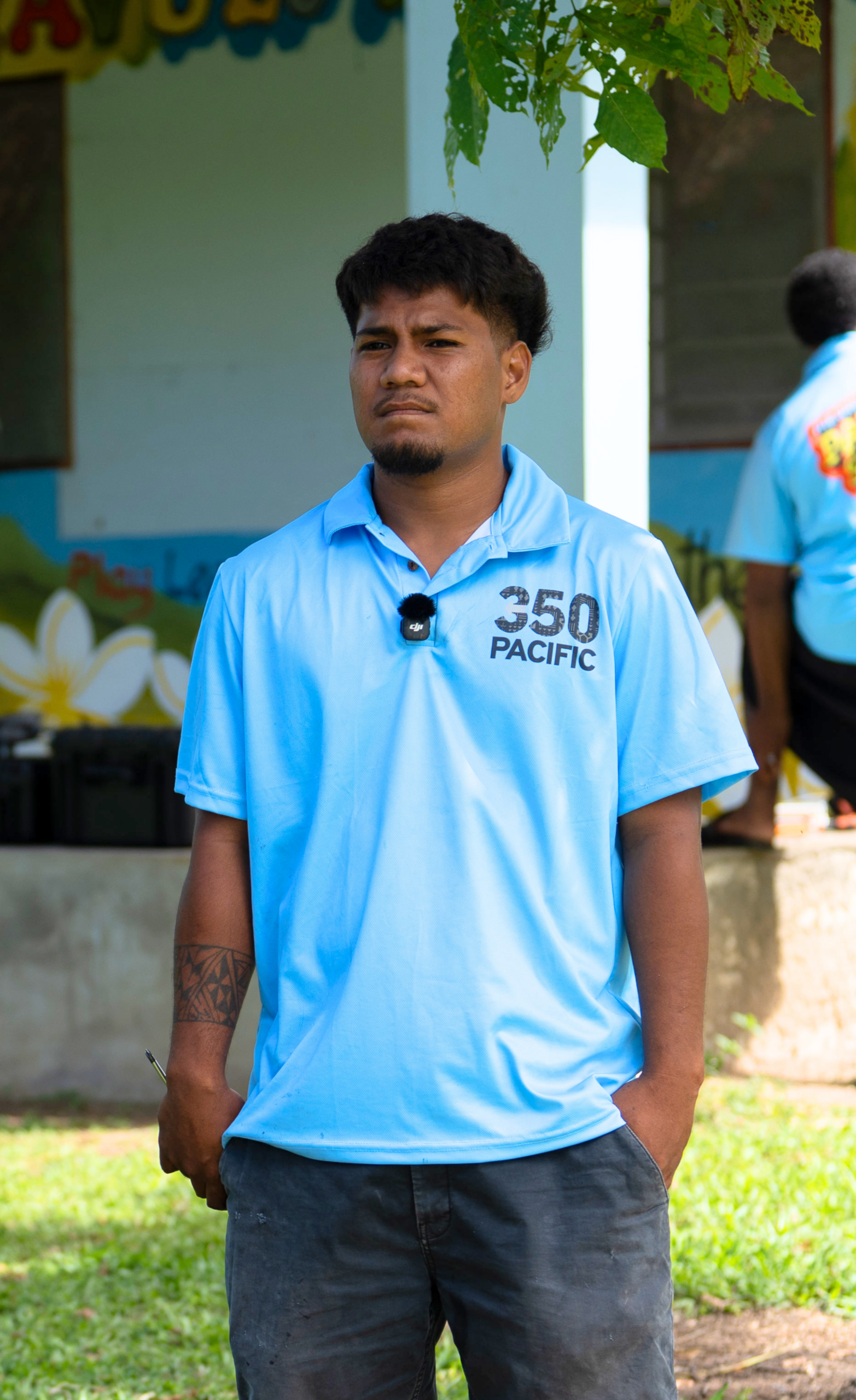
Galu Fuiono Pio
Solar Scholars Training • Day 1
Hands-On Solar PV Assembly
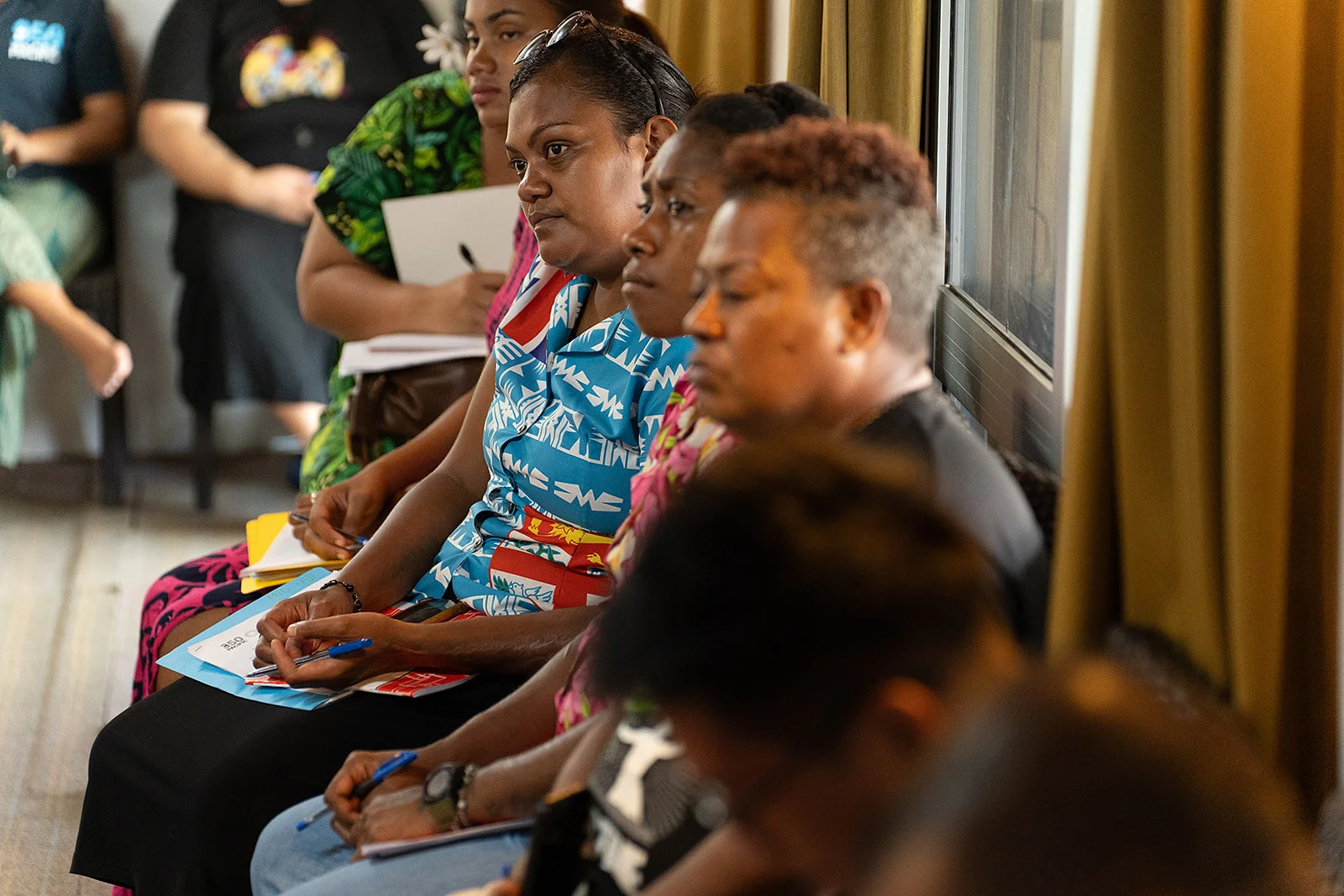
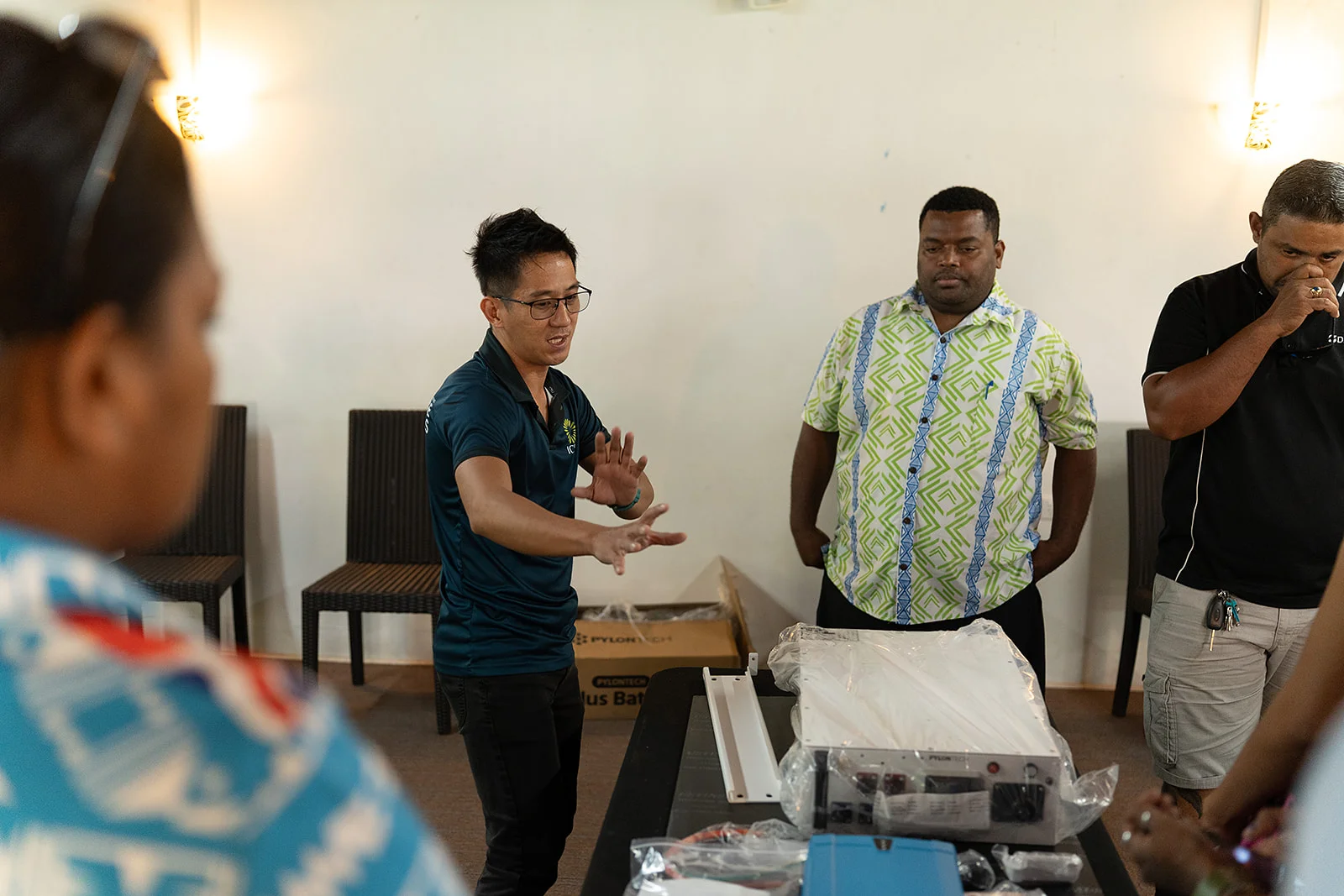
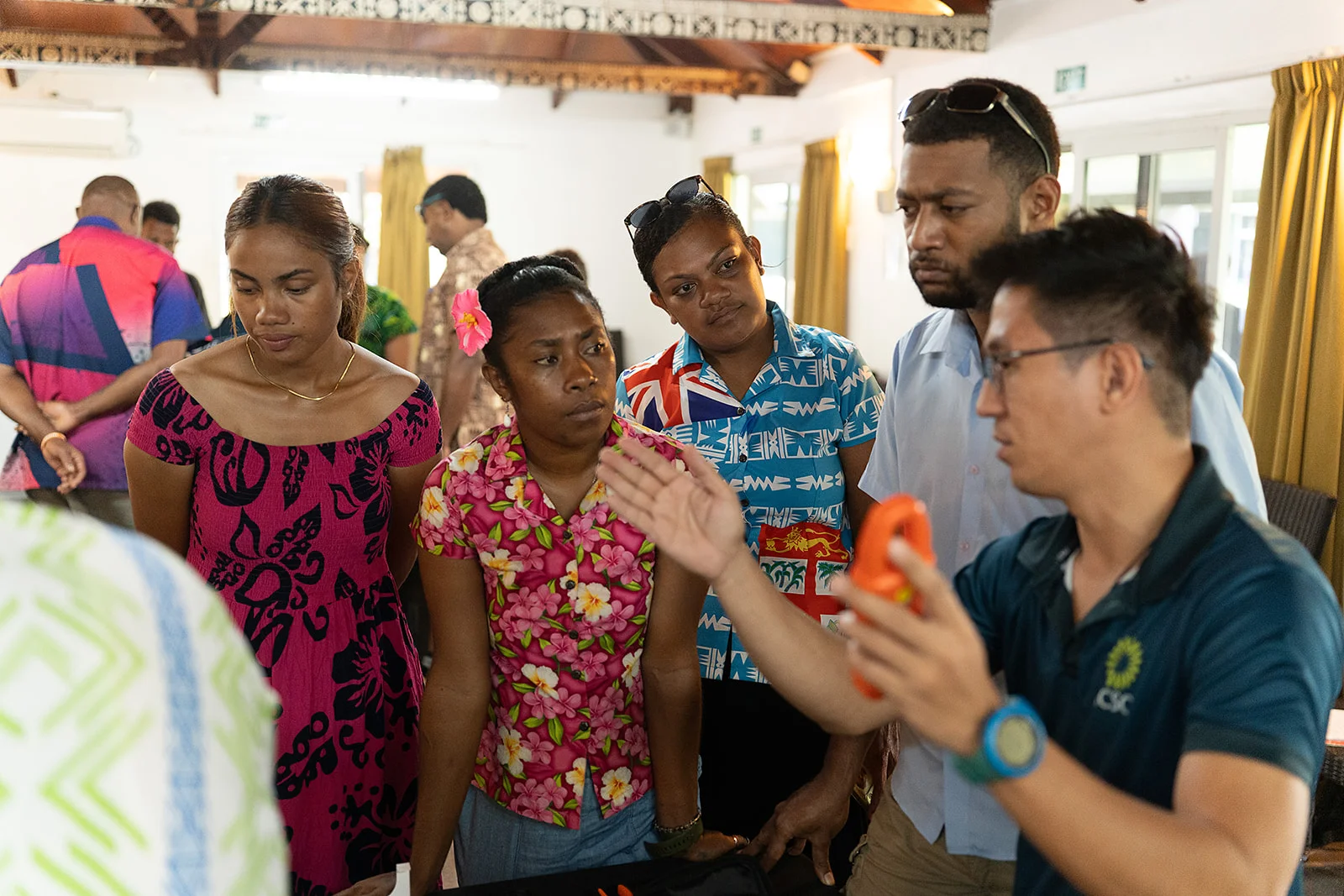
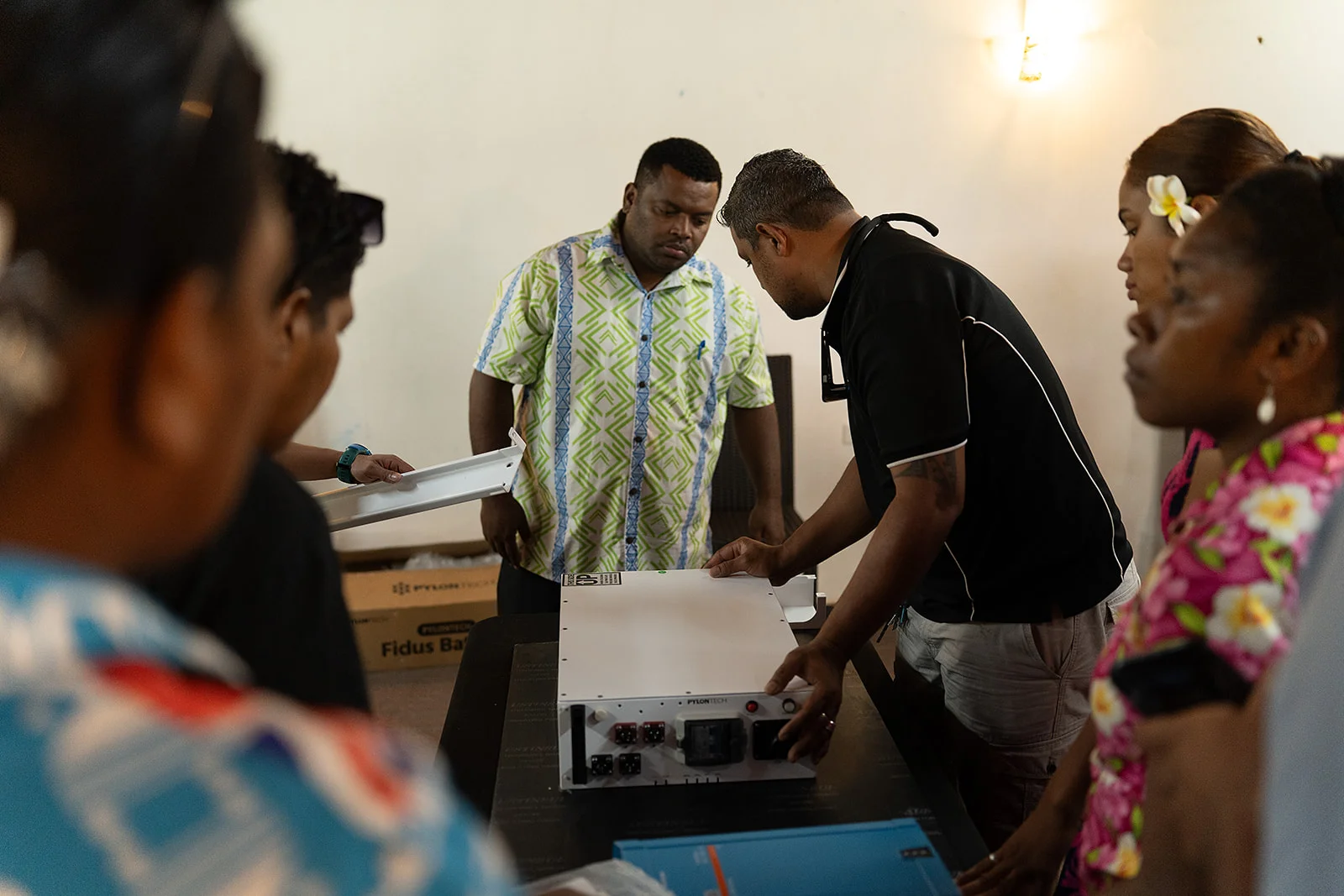
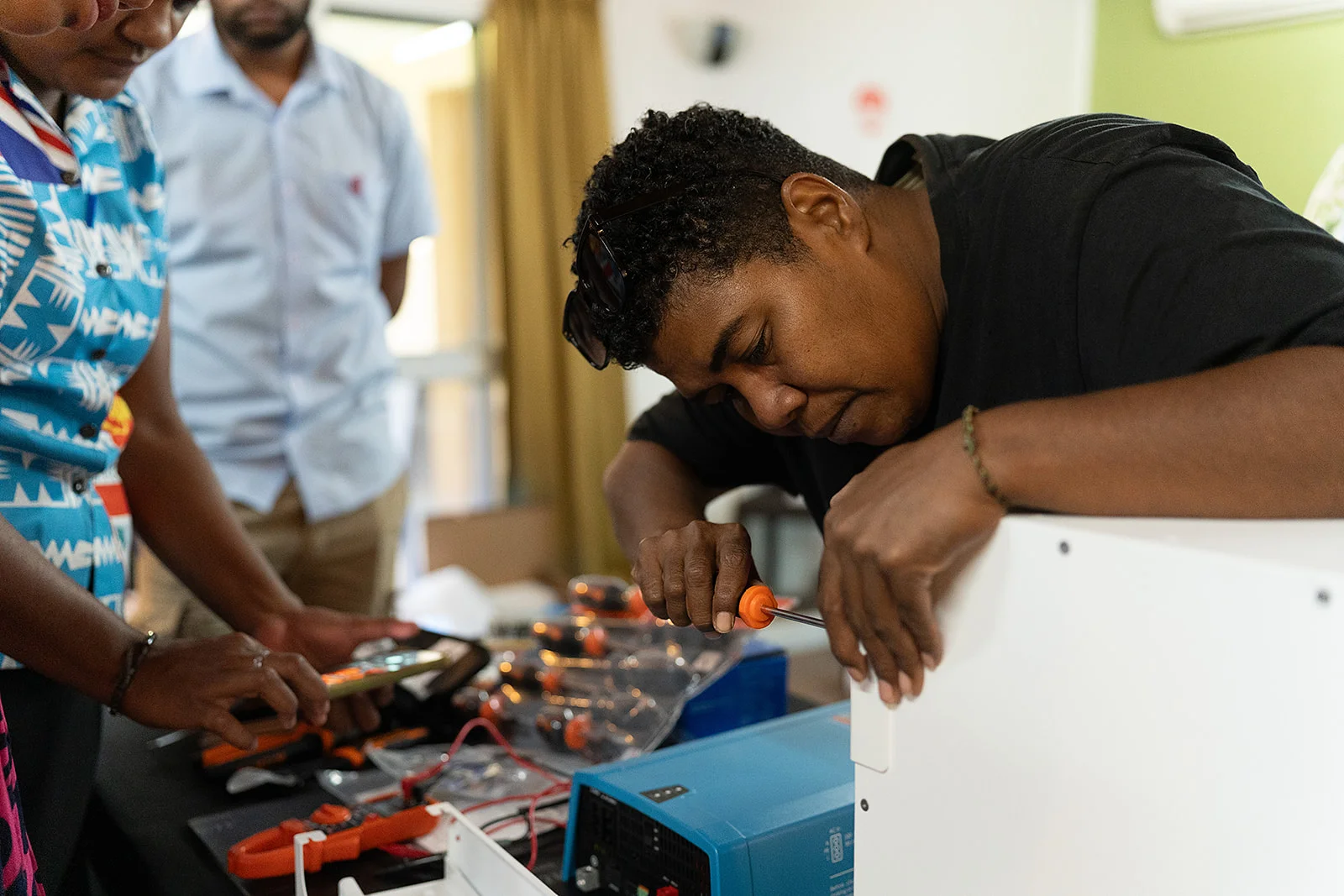
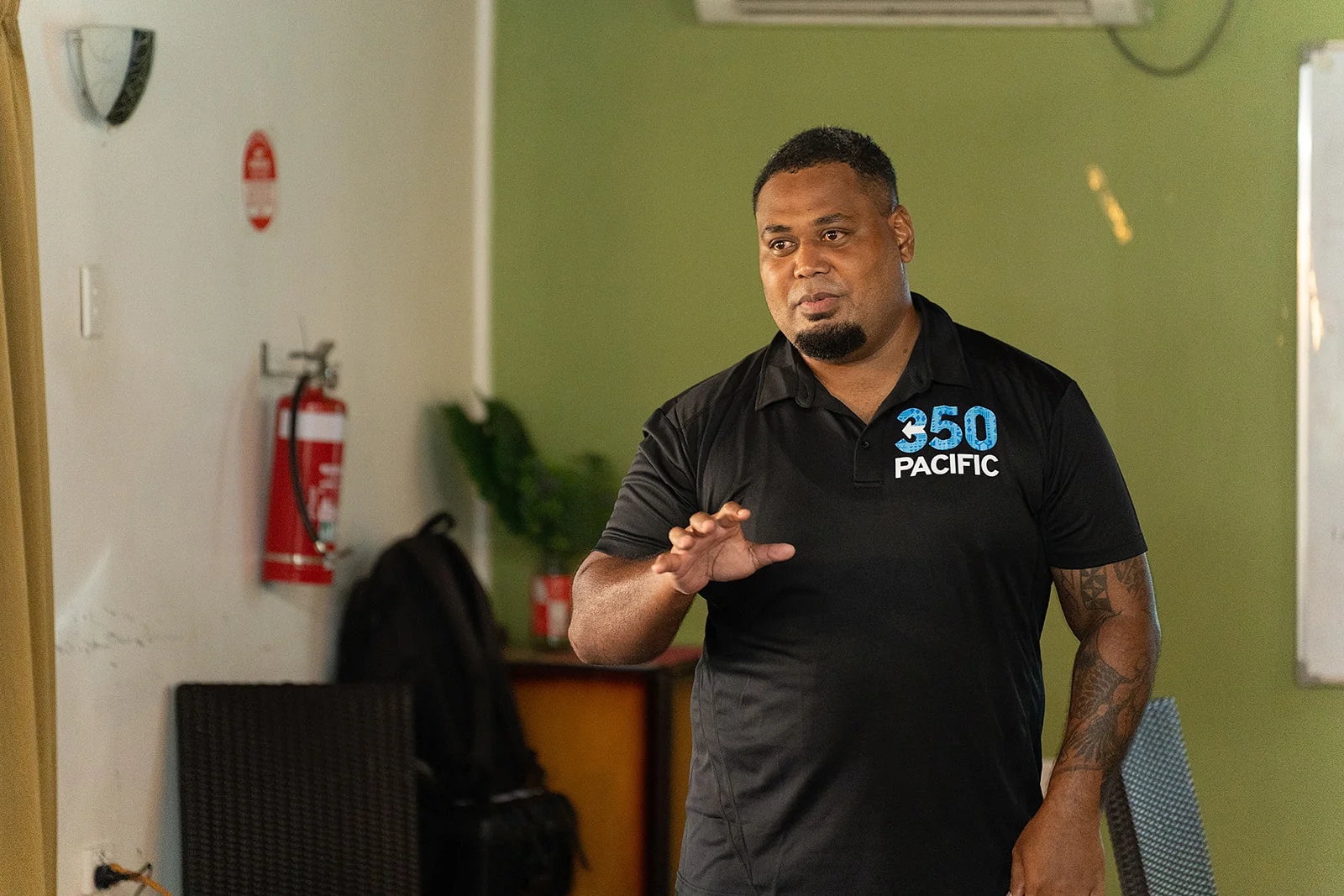
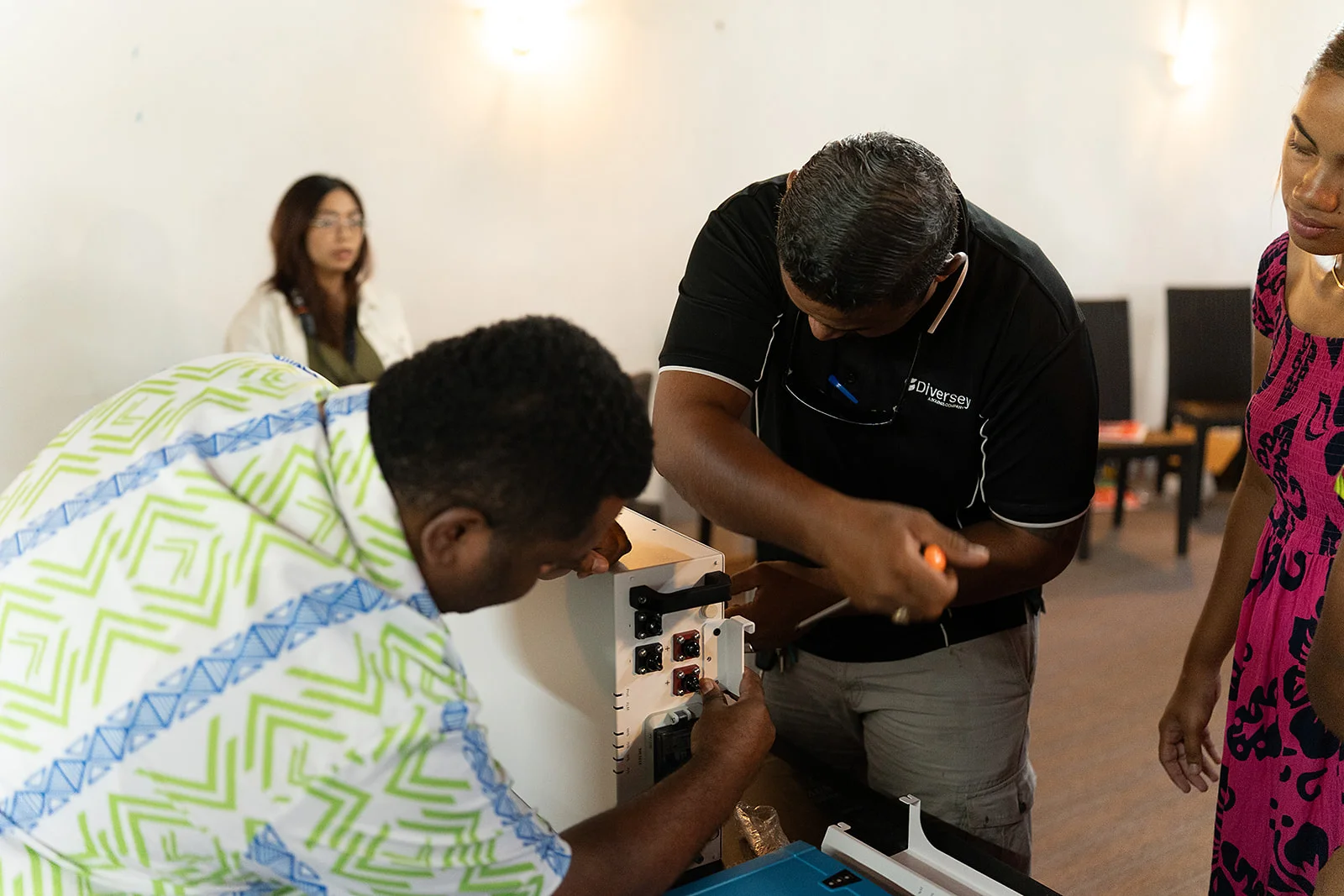
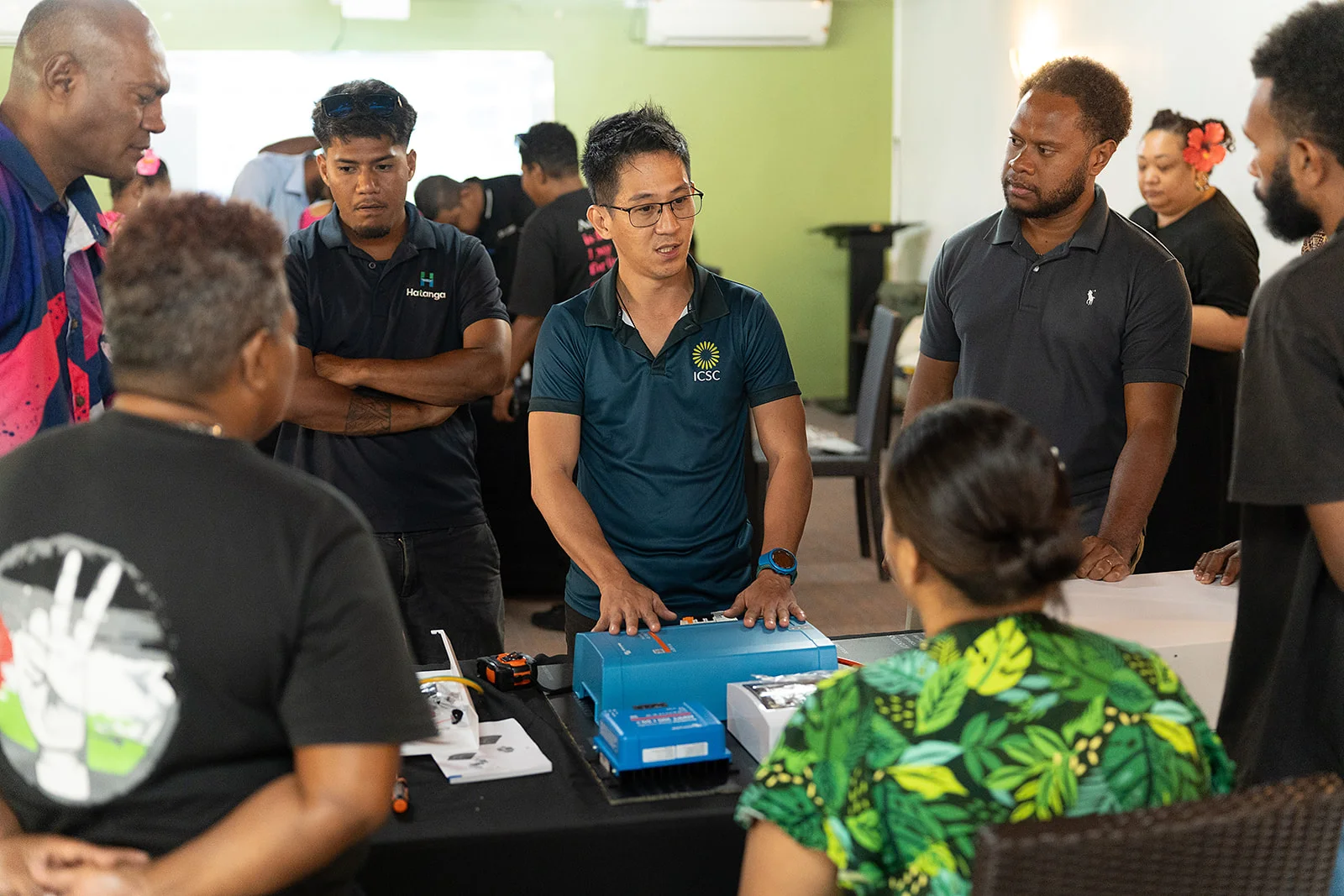
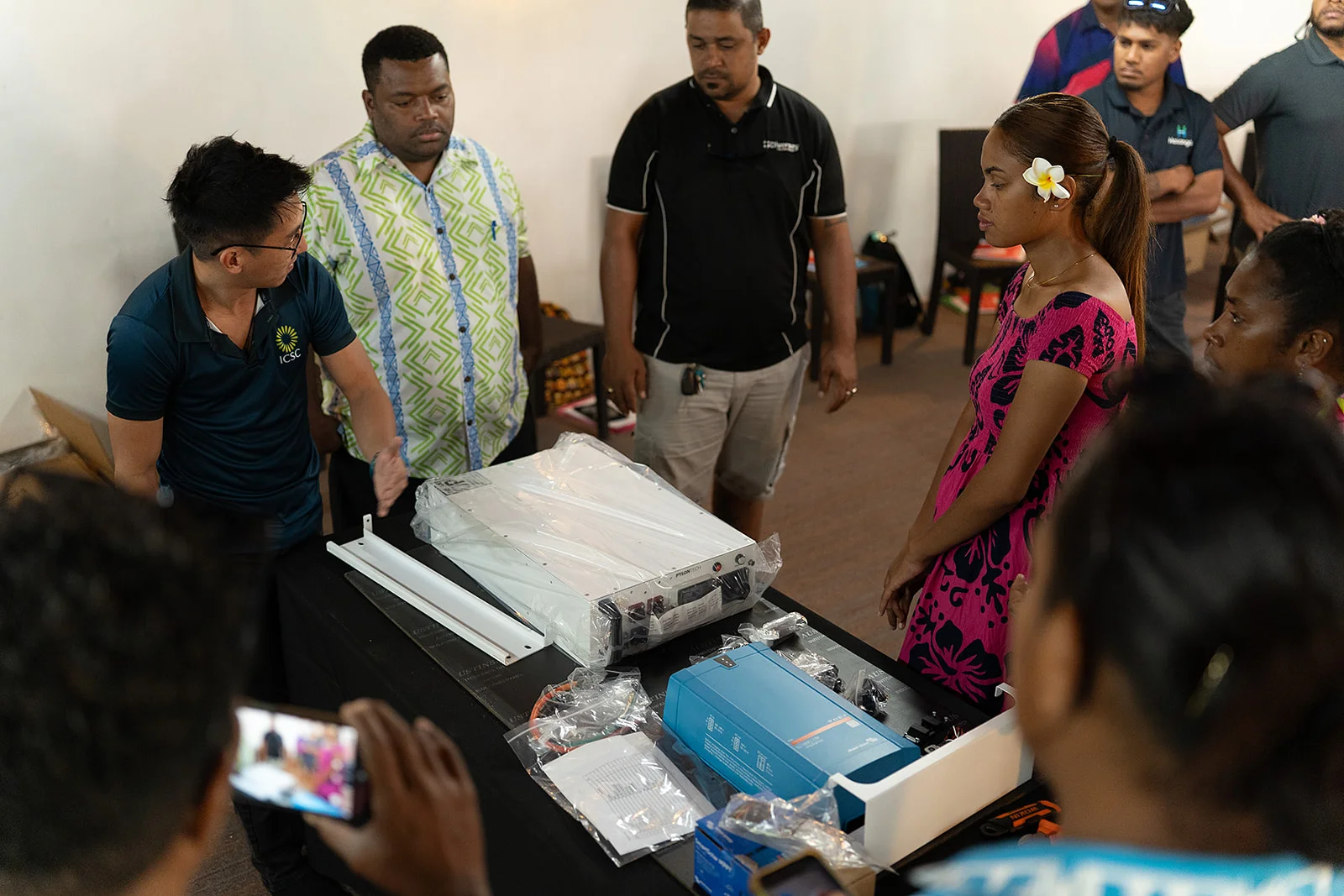
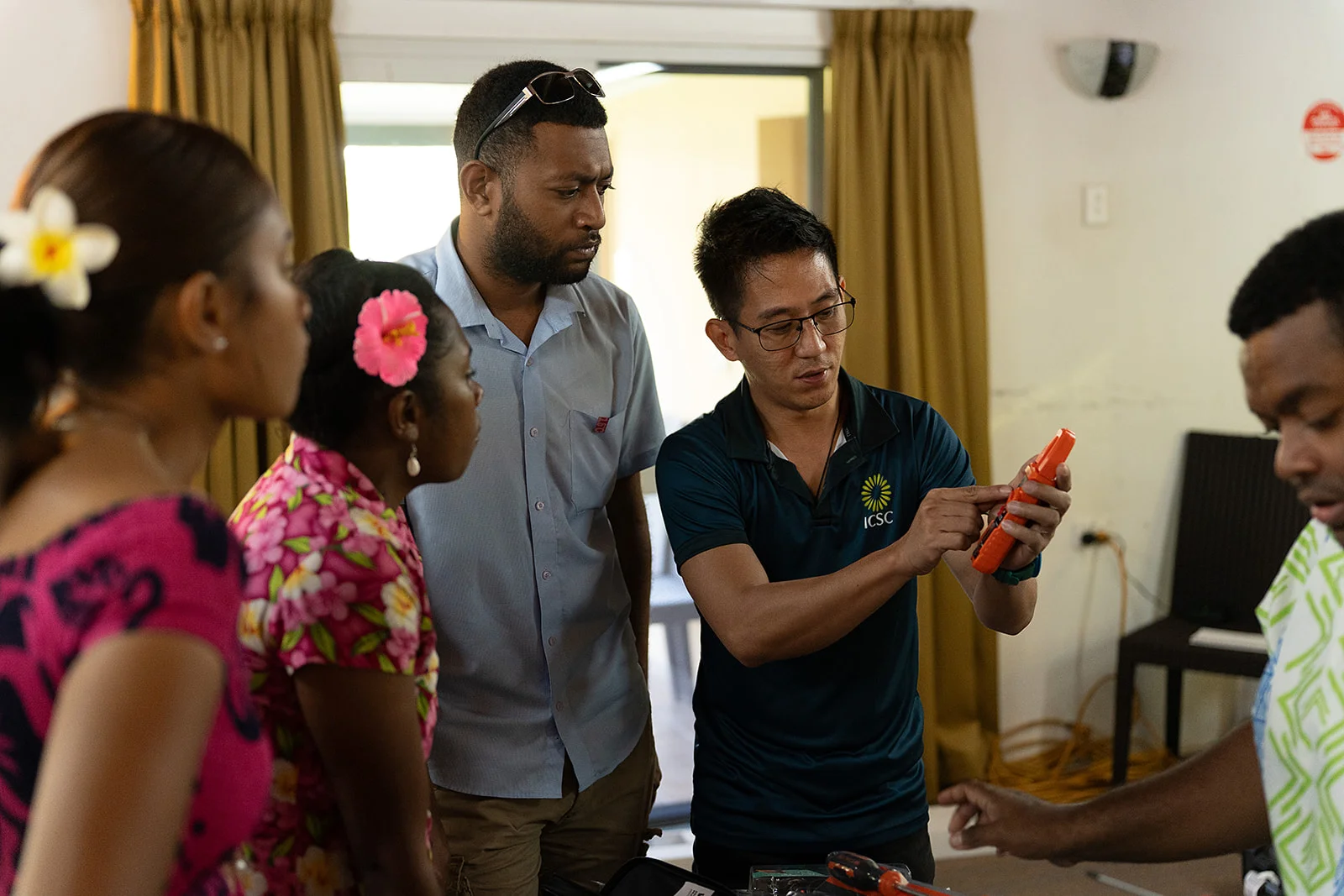
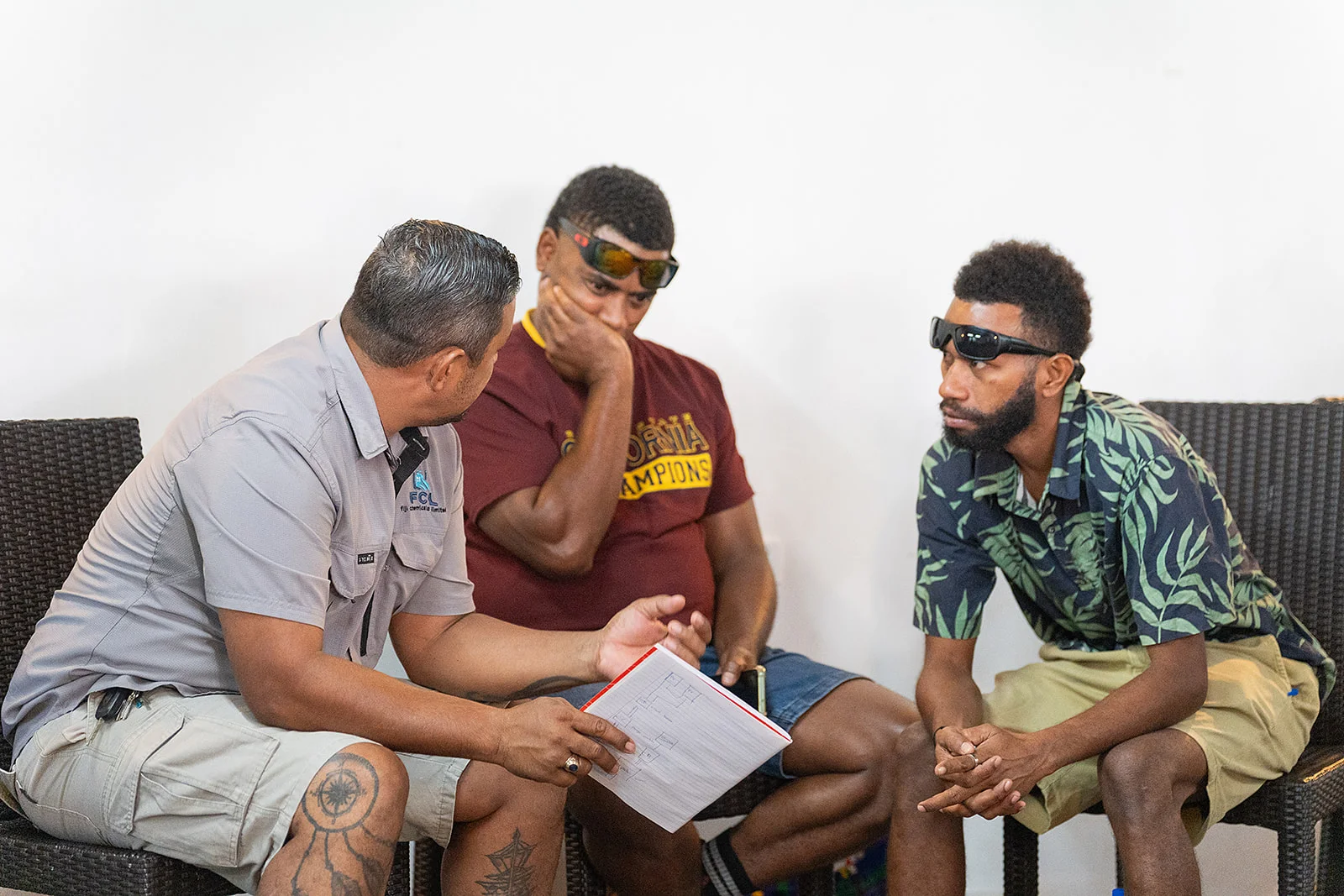
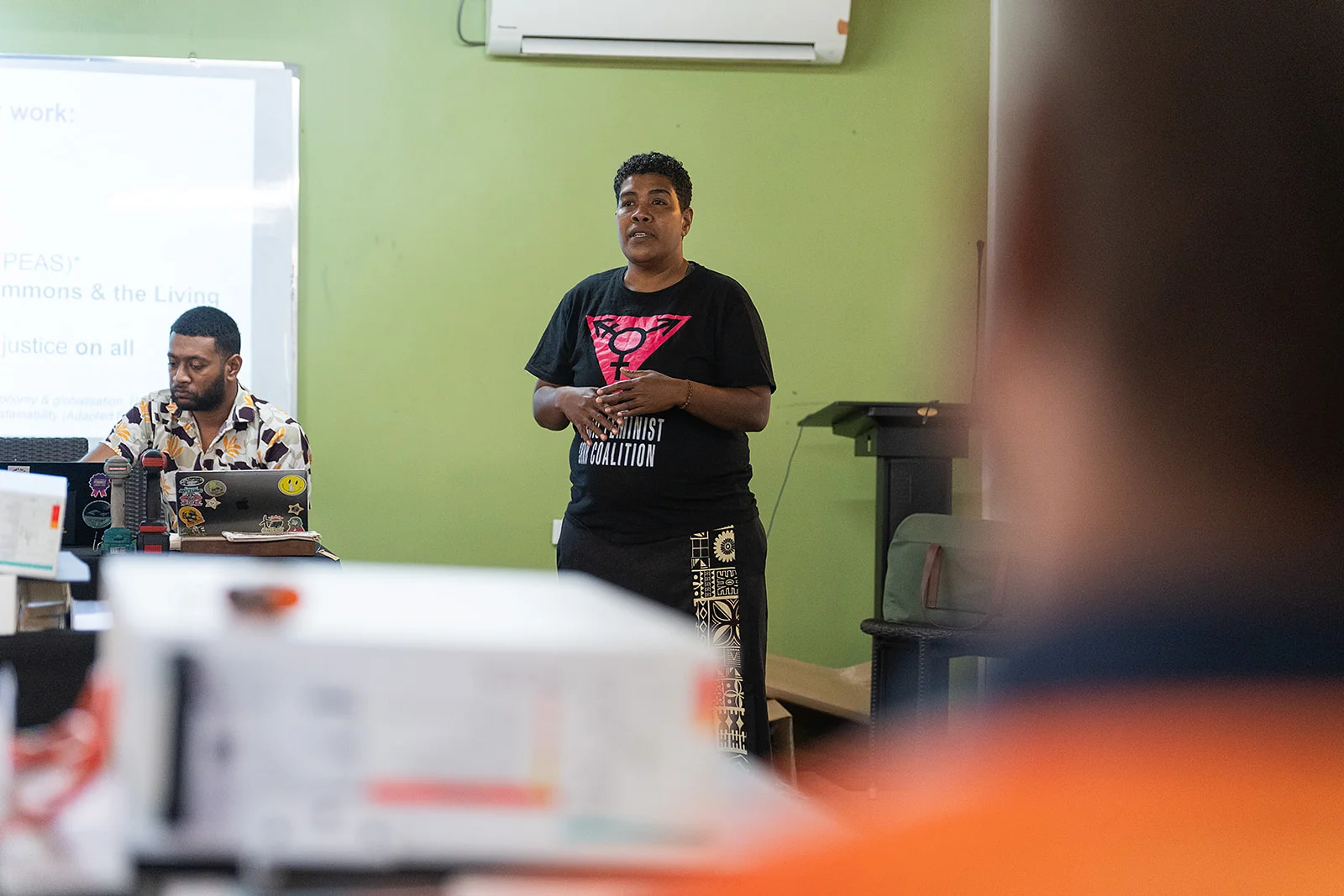
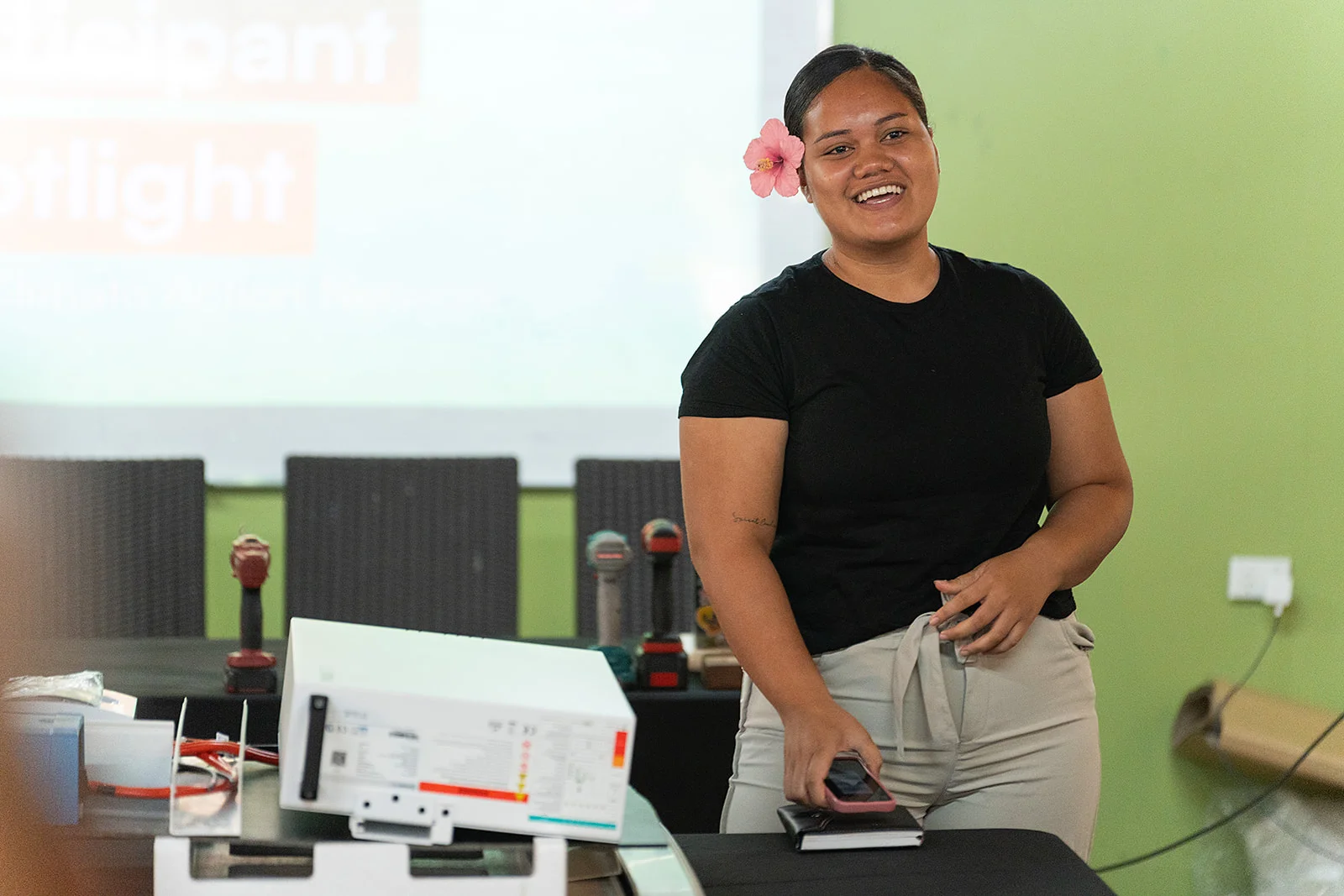
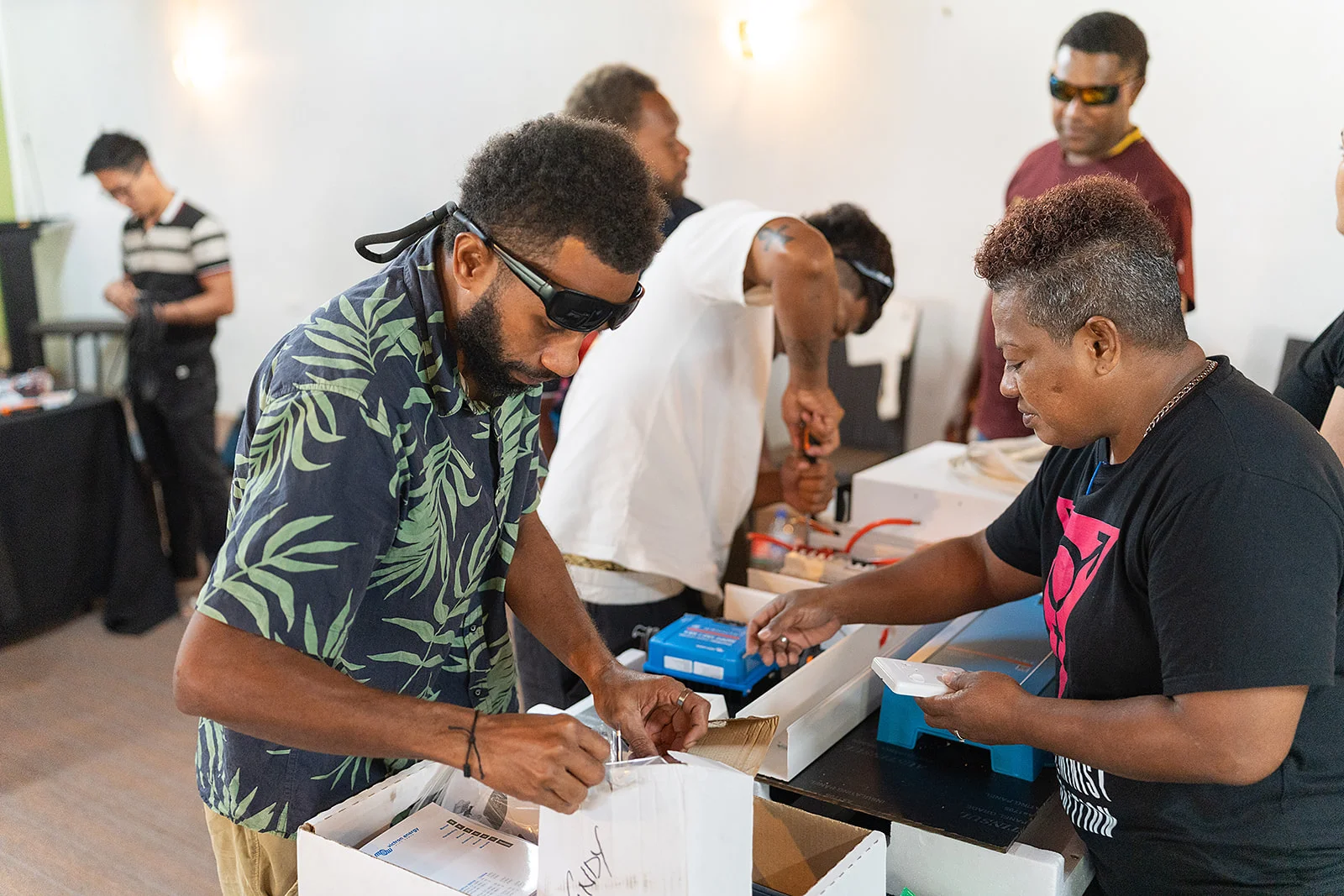
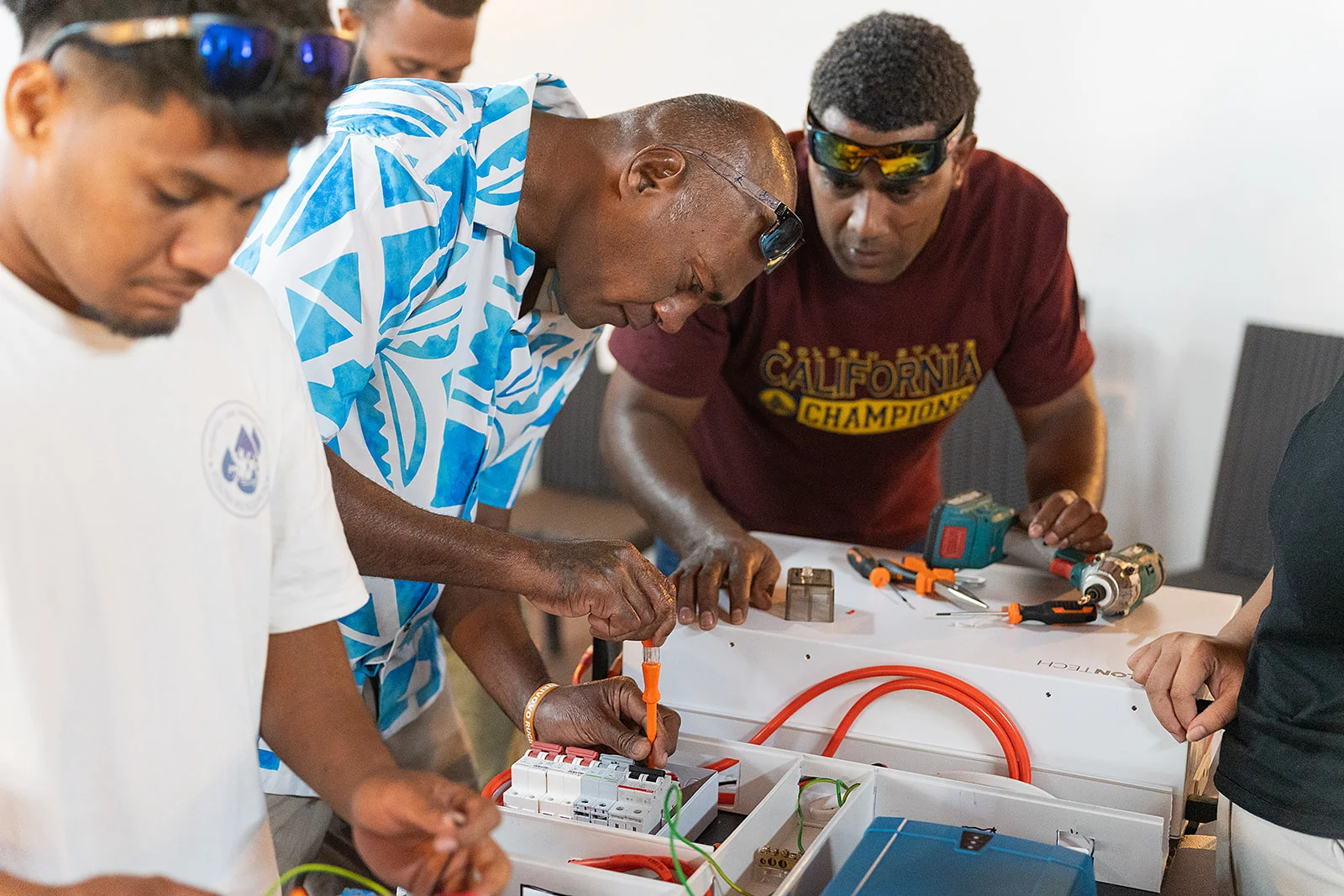
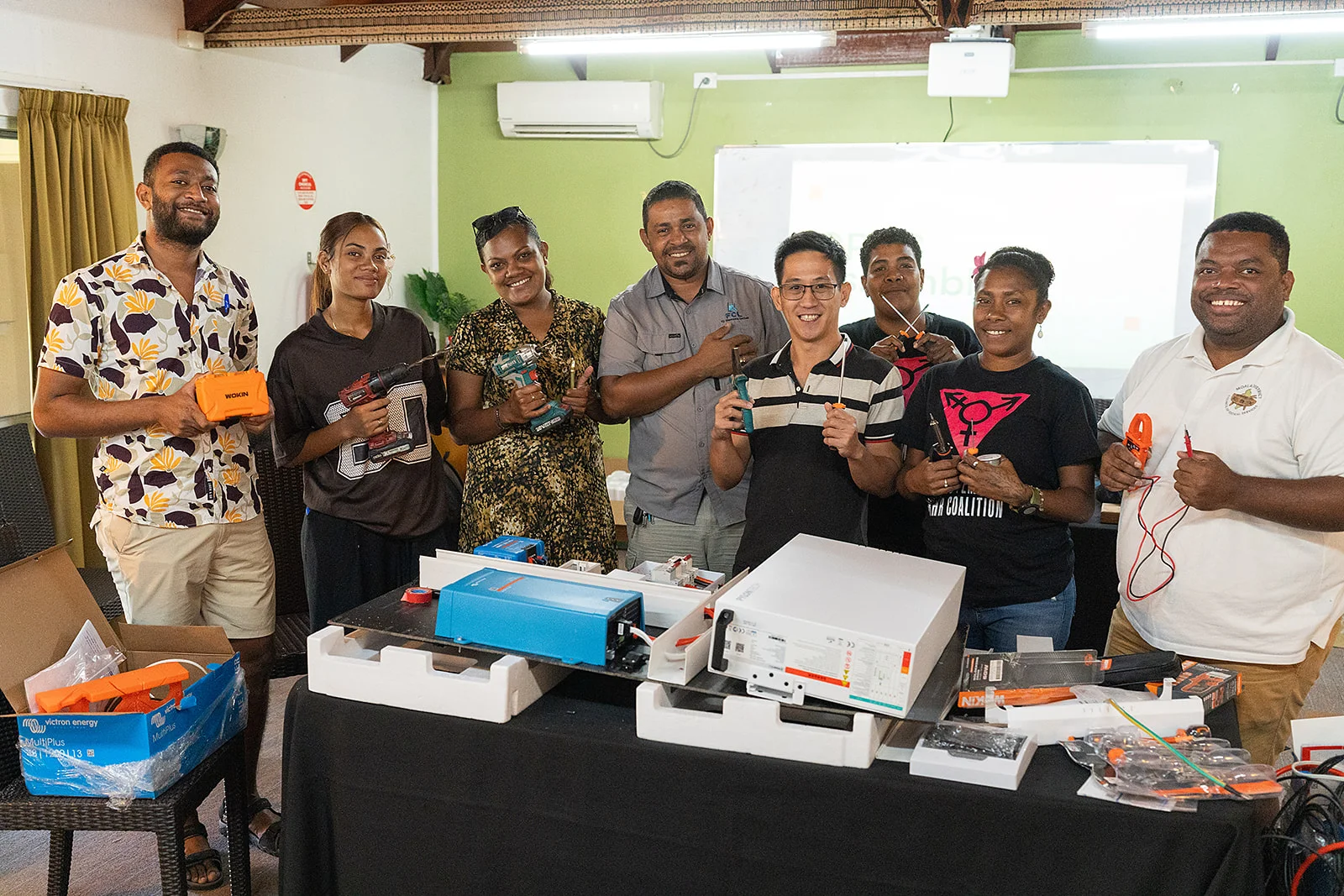
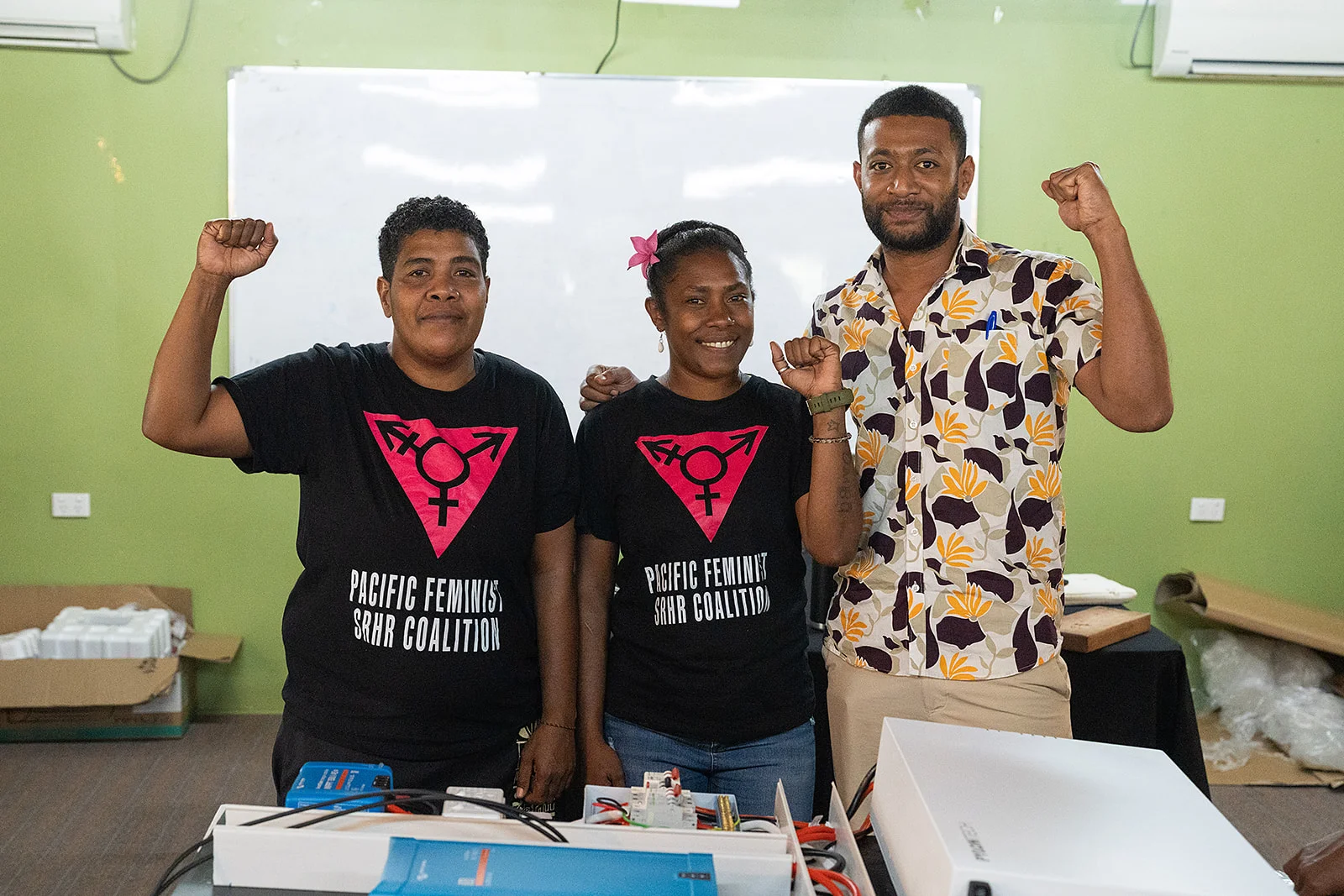
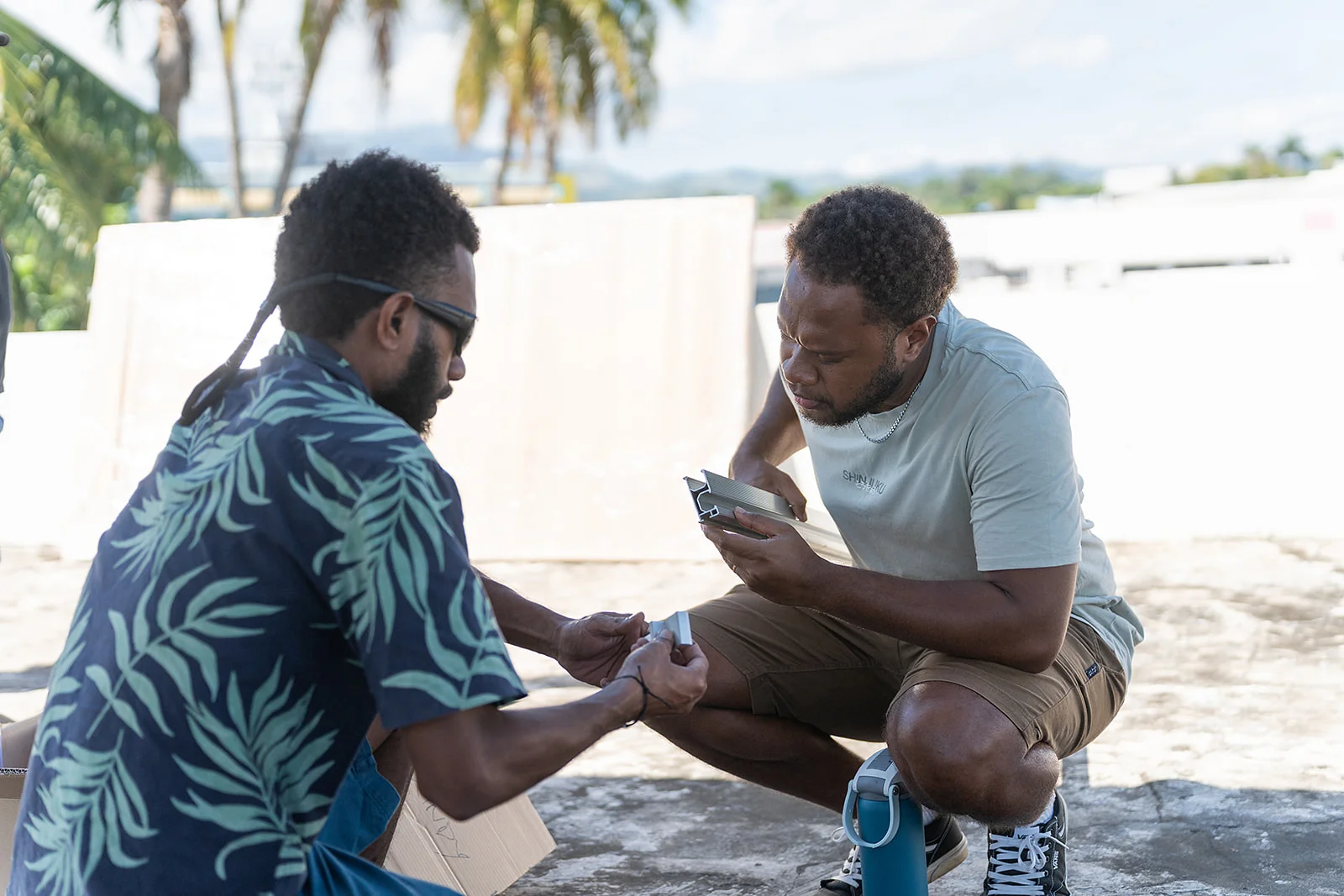
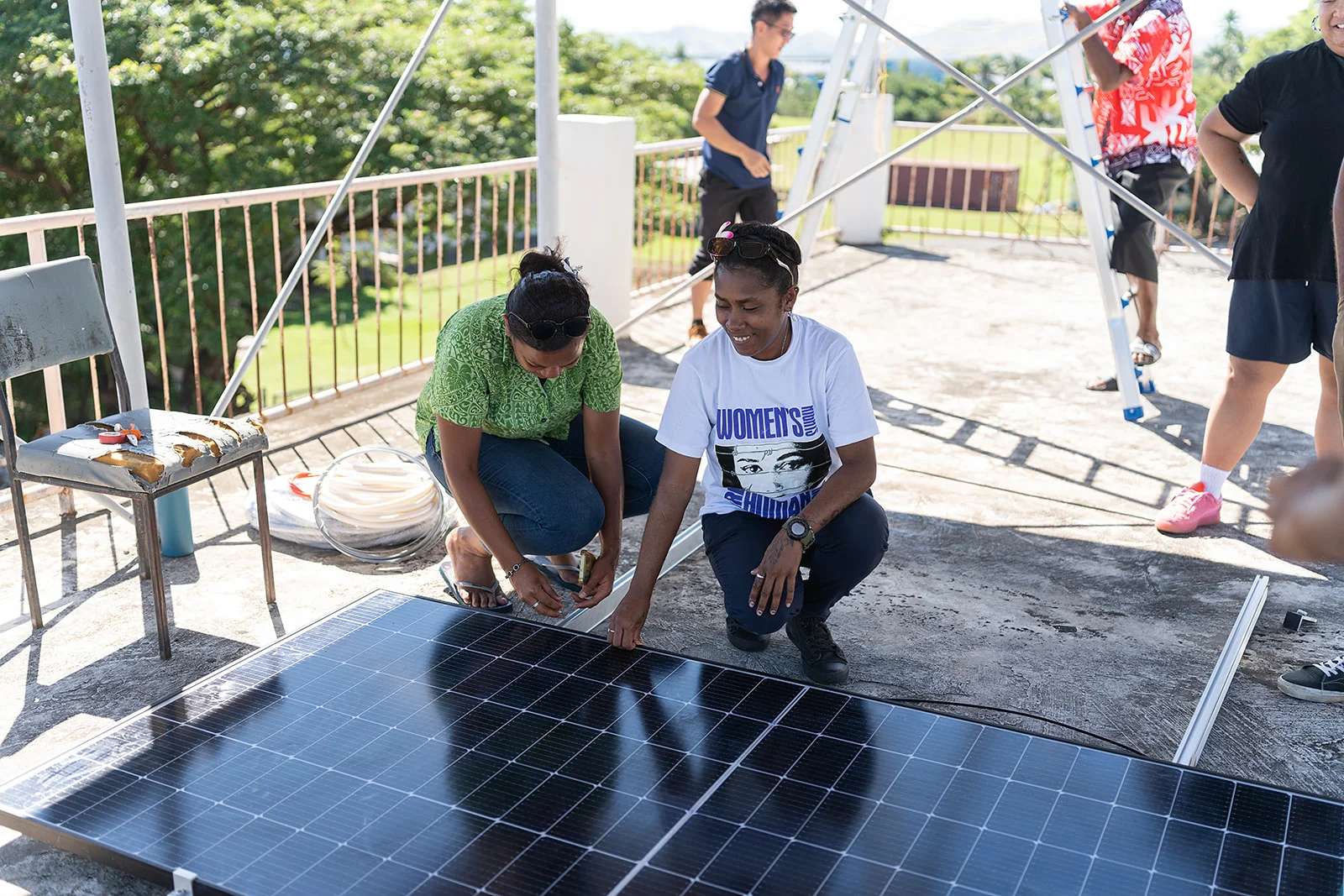
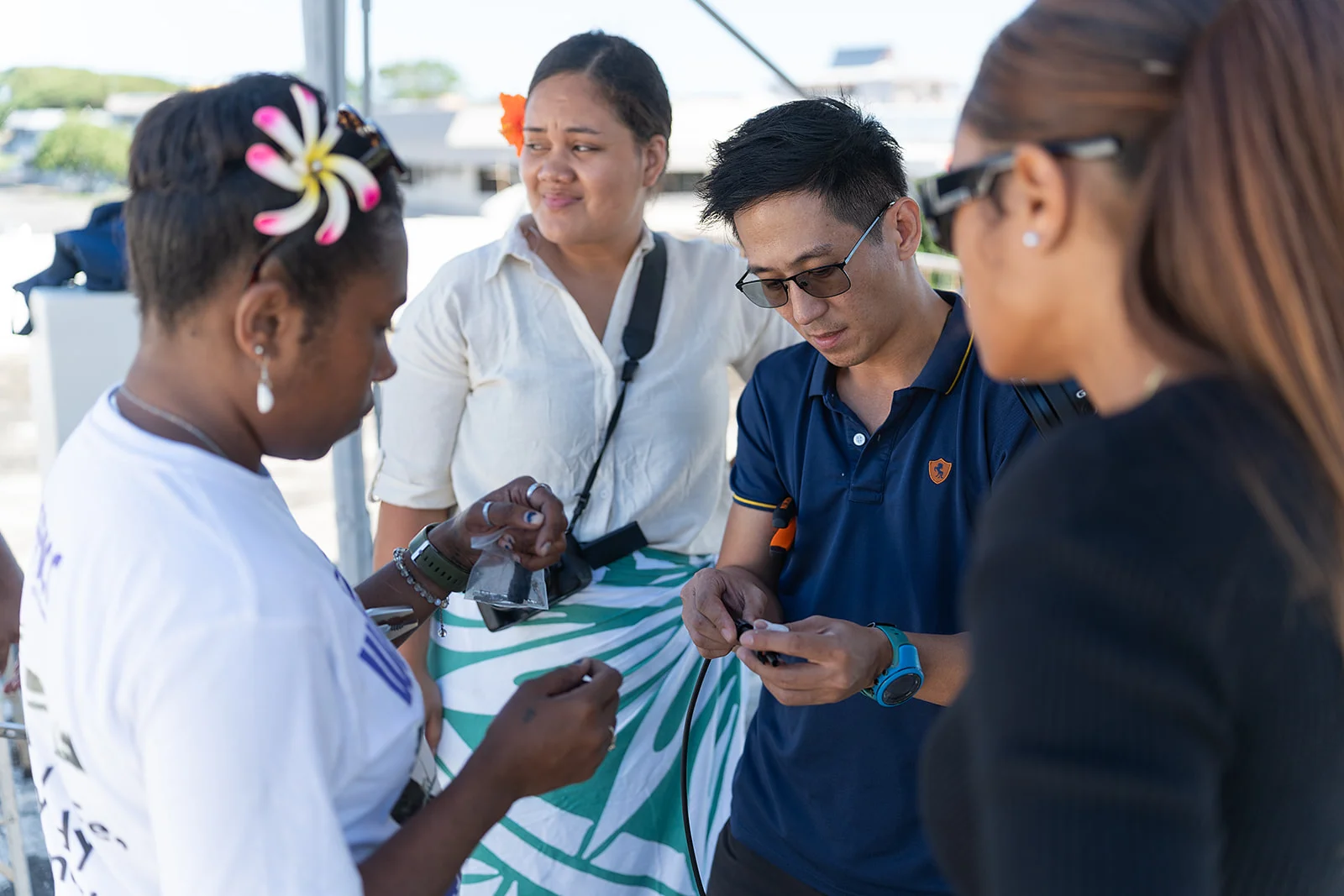
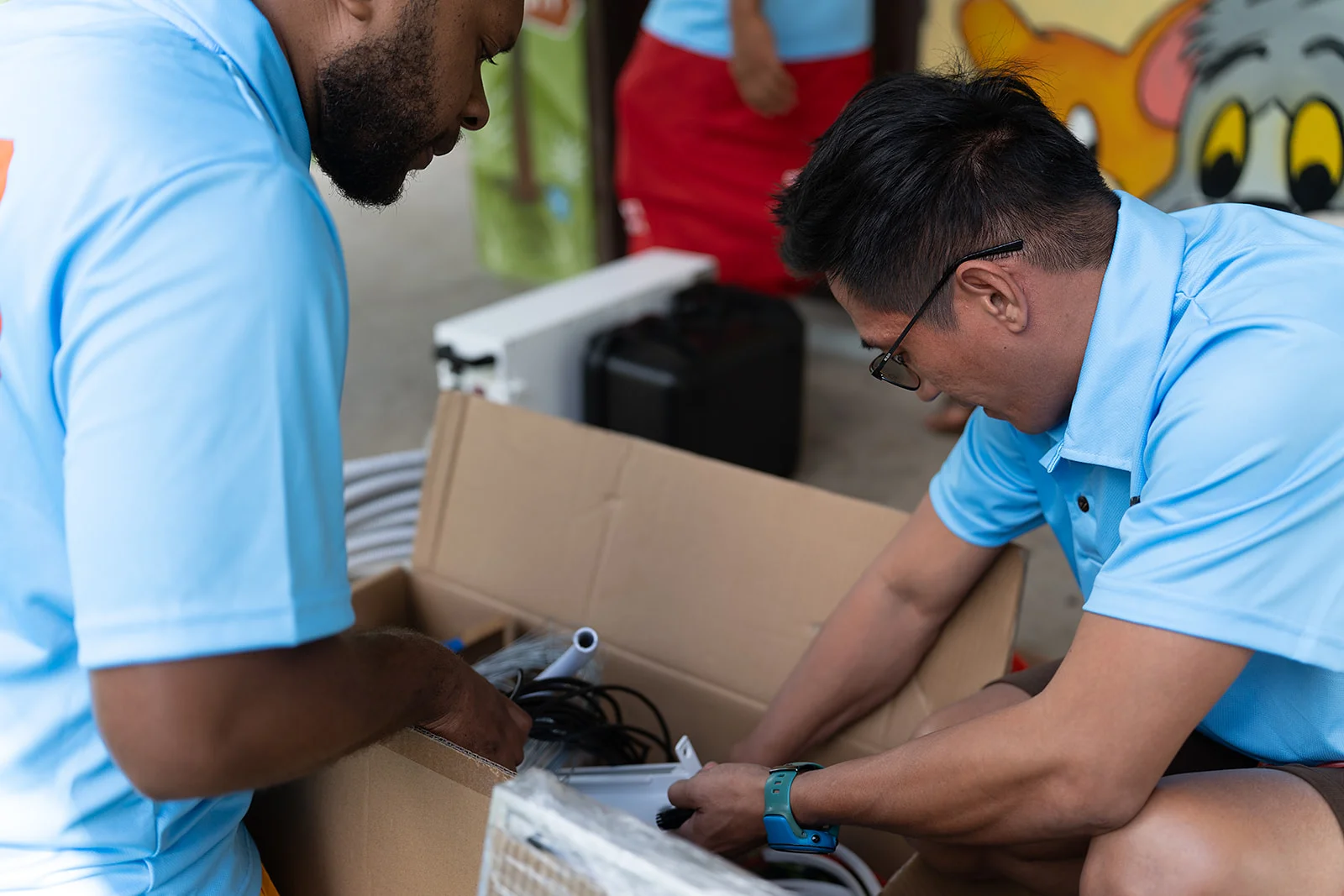
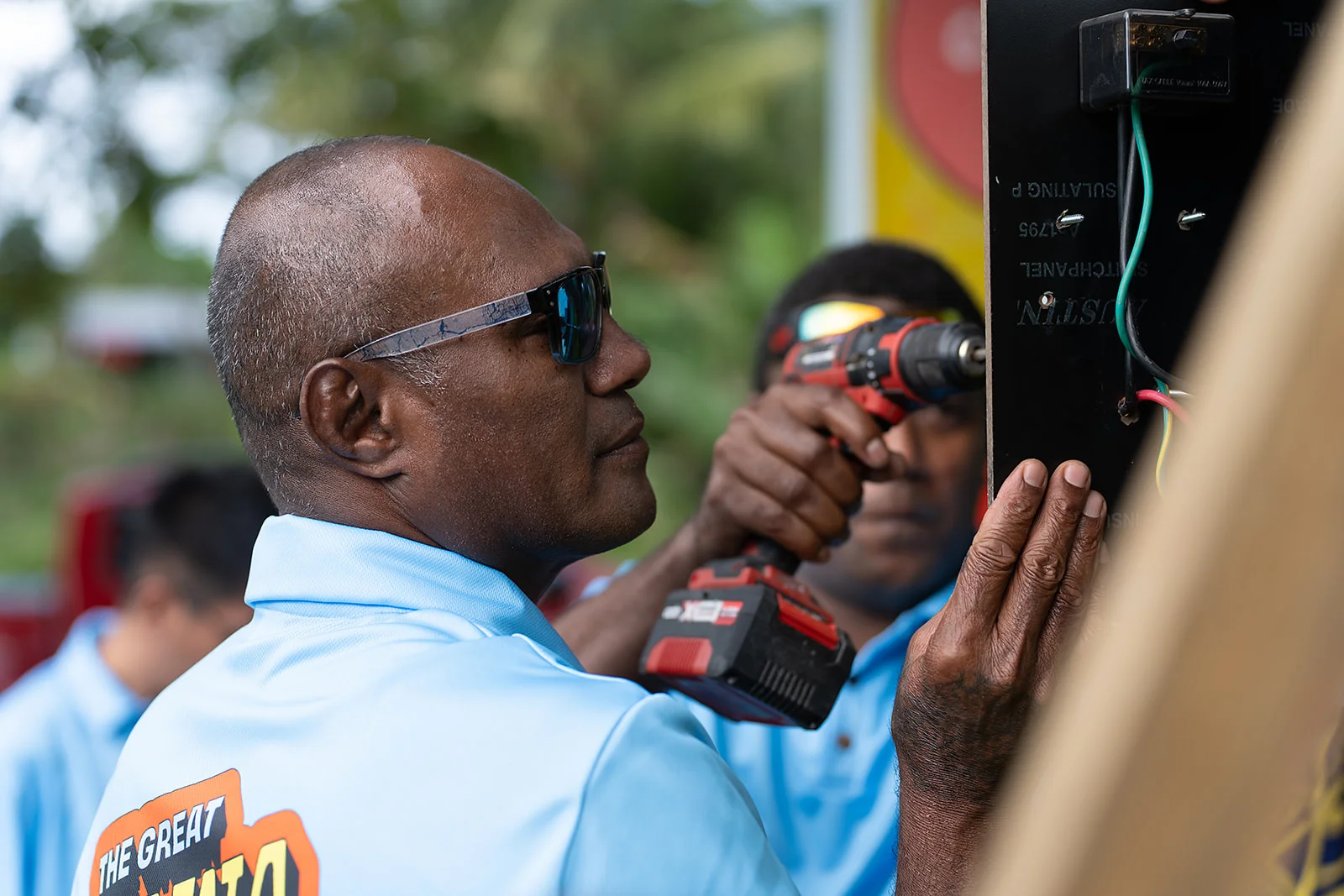
Following two intensive online theory sessions, our 14 Pacific scholars transitioned straight into physical, hands-on training. Participants were evenly divided into dedicated installation teams to design, place, and wire the upcoming solar PV systems for Lautoka and Yavulo. As comfort levels with the tools grew, every participant gained direct experience managing and testing critical system components.
Solar Scholars Training • Day 2
Reflecting & Building Confidence
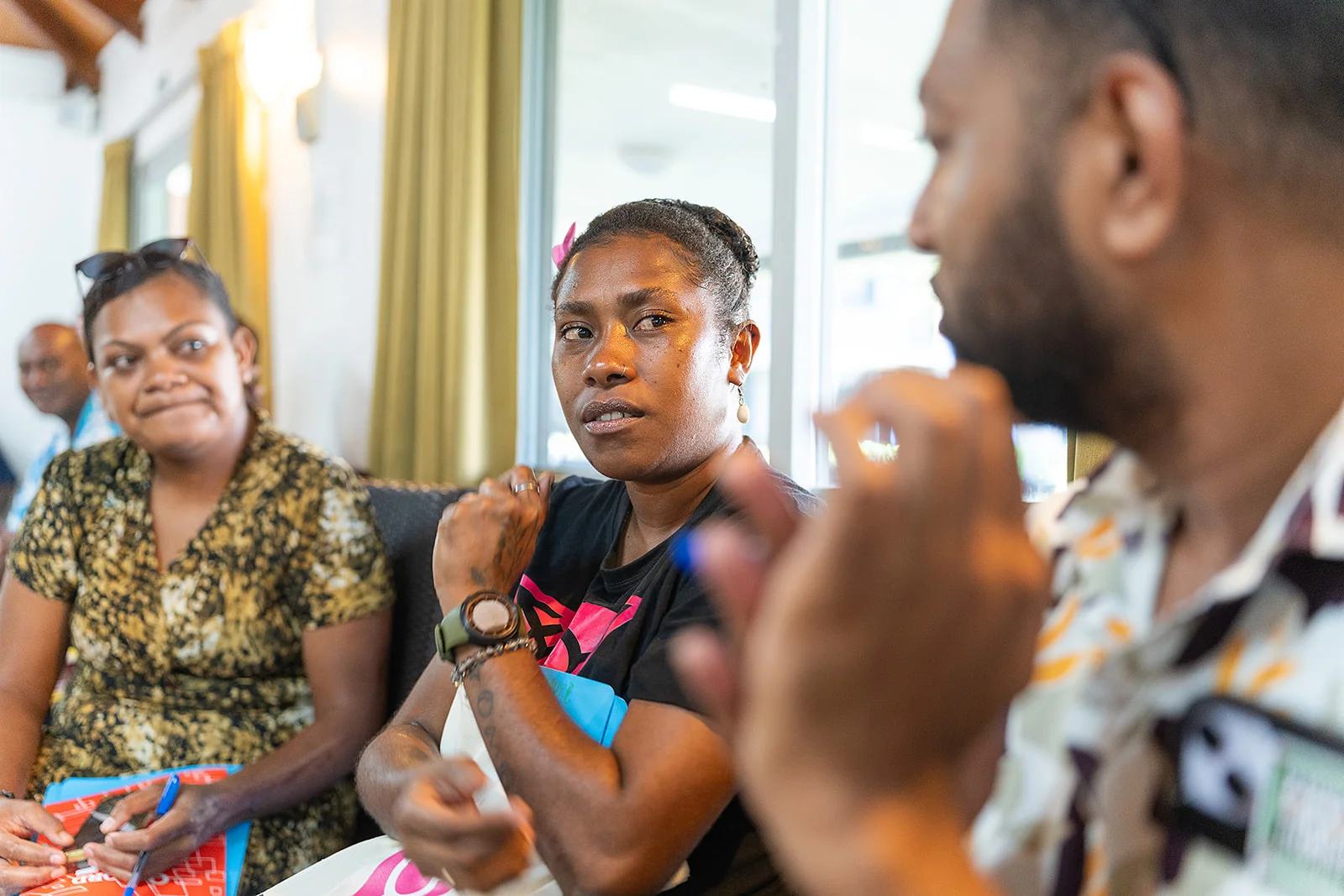
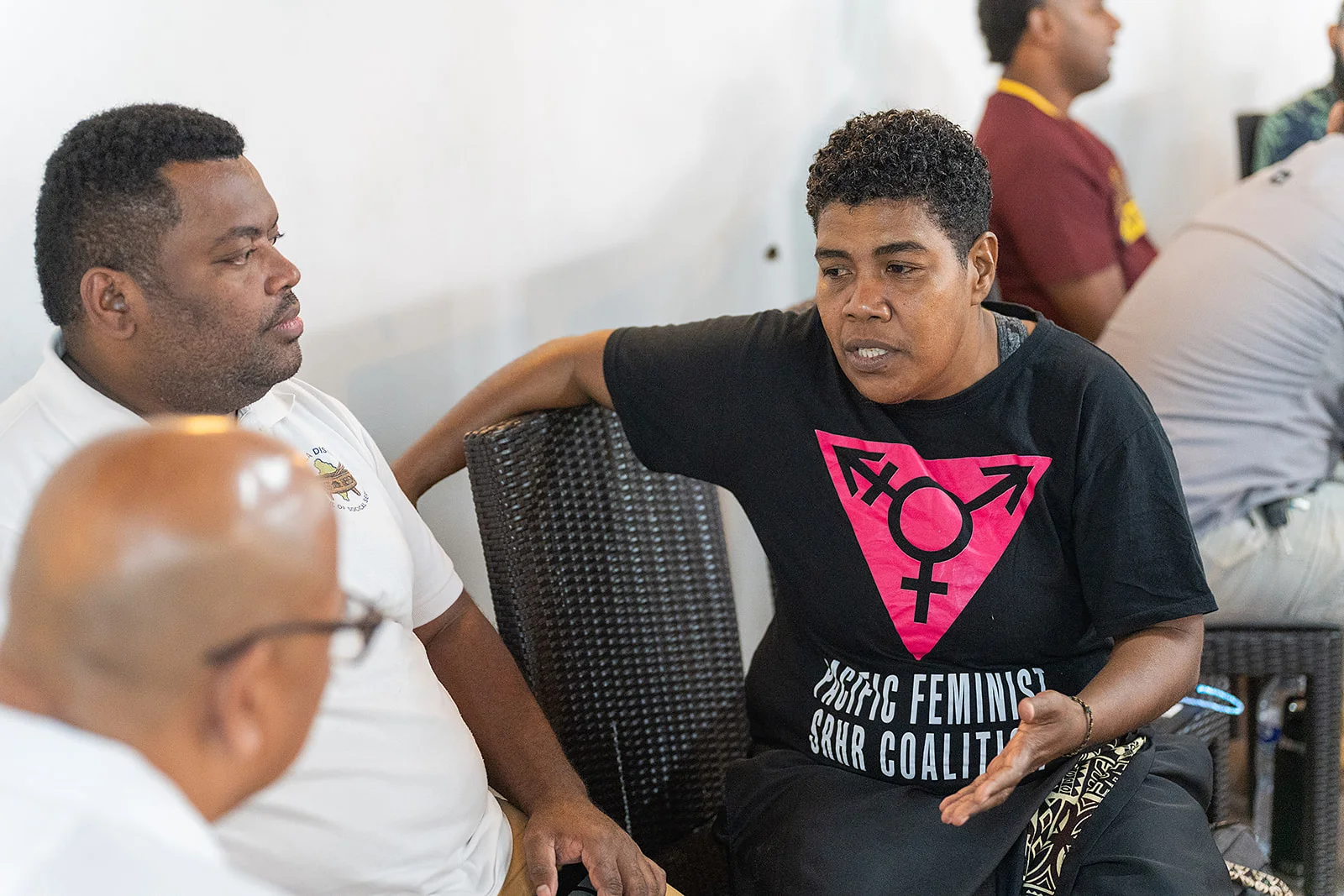
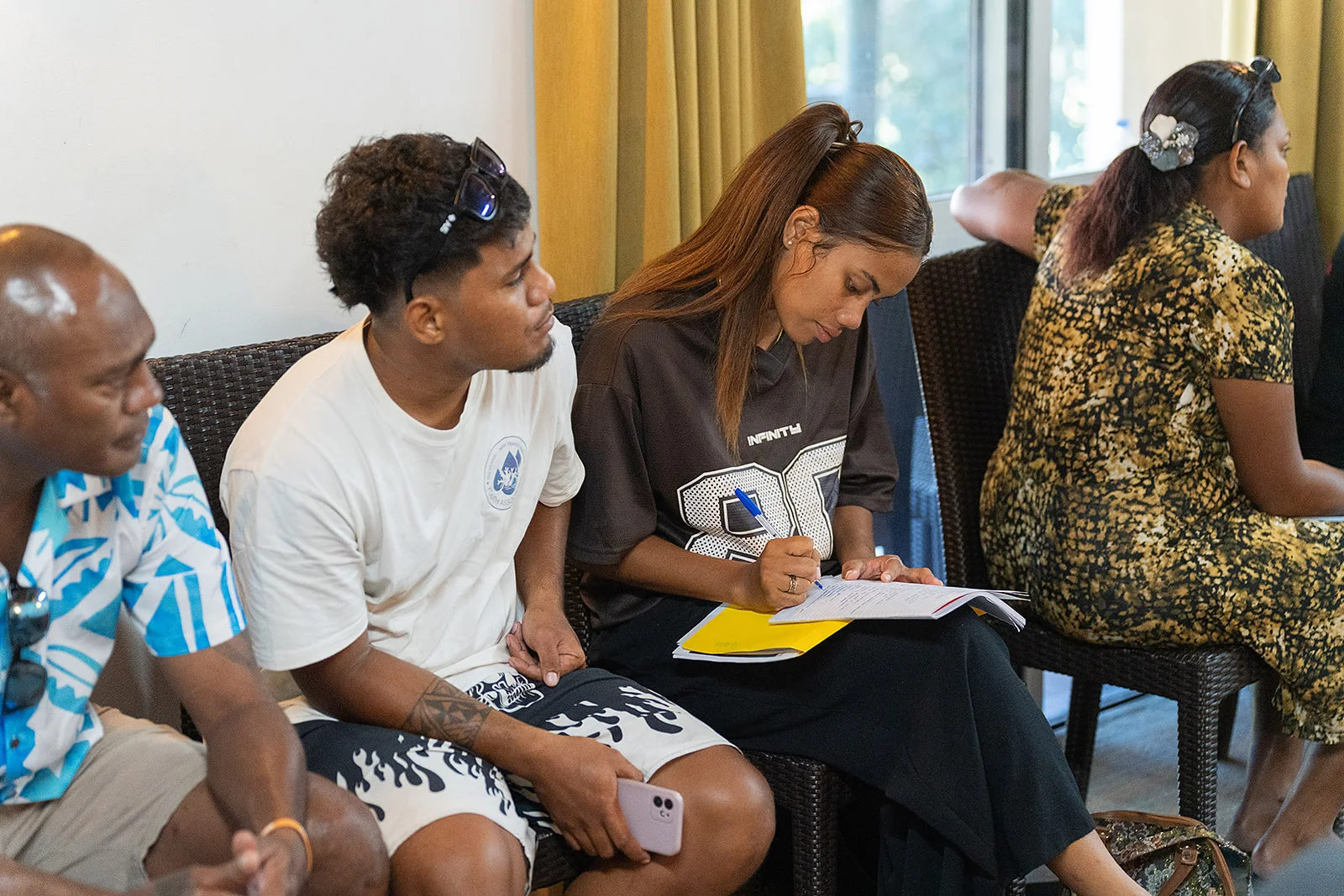
We kicked off the morning by reviewing our initial milestones, with participants reporting back on the essential insights gained during their first practical build. The session highlighted a massive shift in momentum as scholars reflected on their growing technical confidence, localised system planning, and the power of peer-to-peer collaboration within their teams.

Solar Scholars Training • DAY 3
First Live System Installation: FCOSS Lautoka
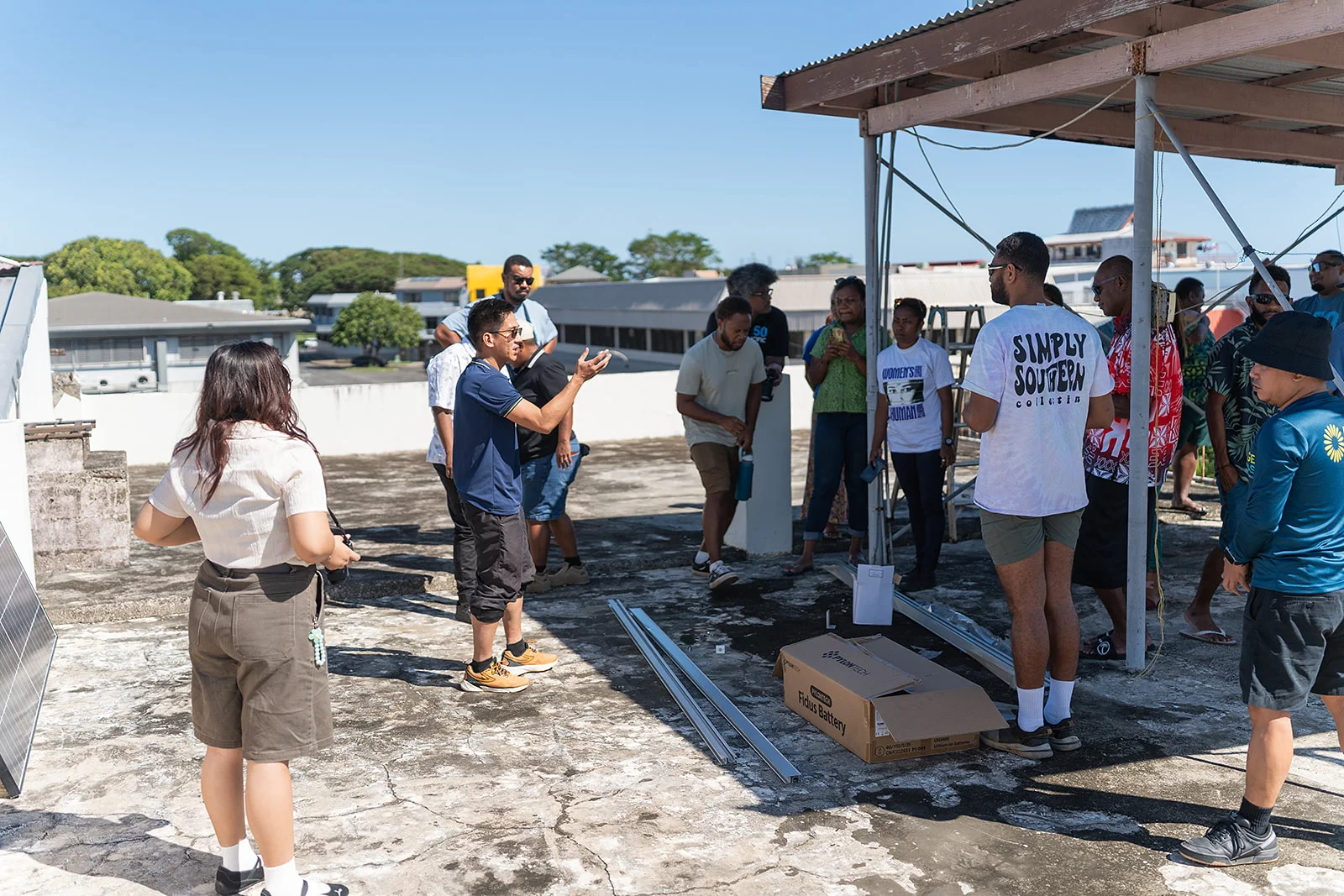
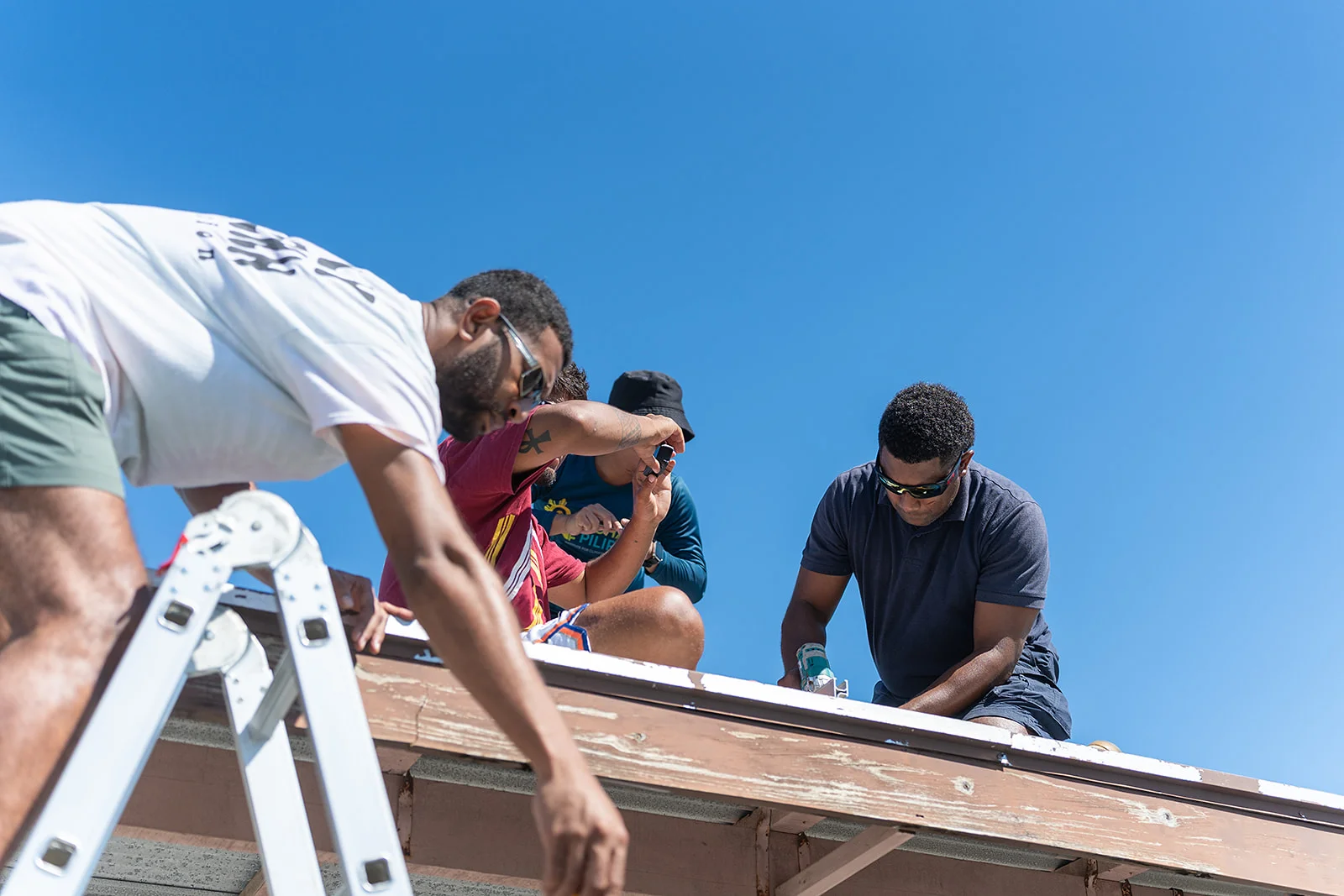
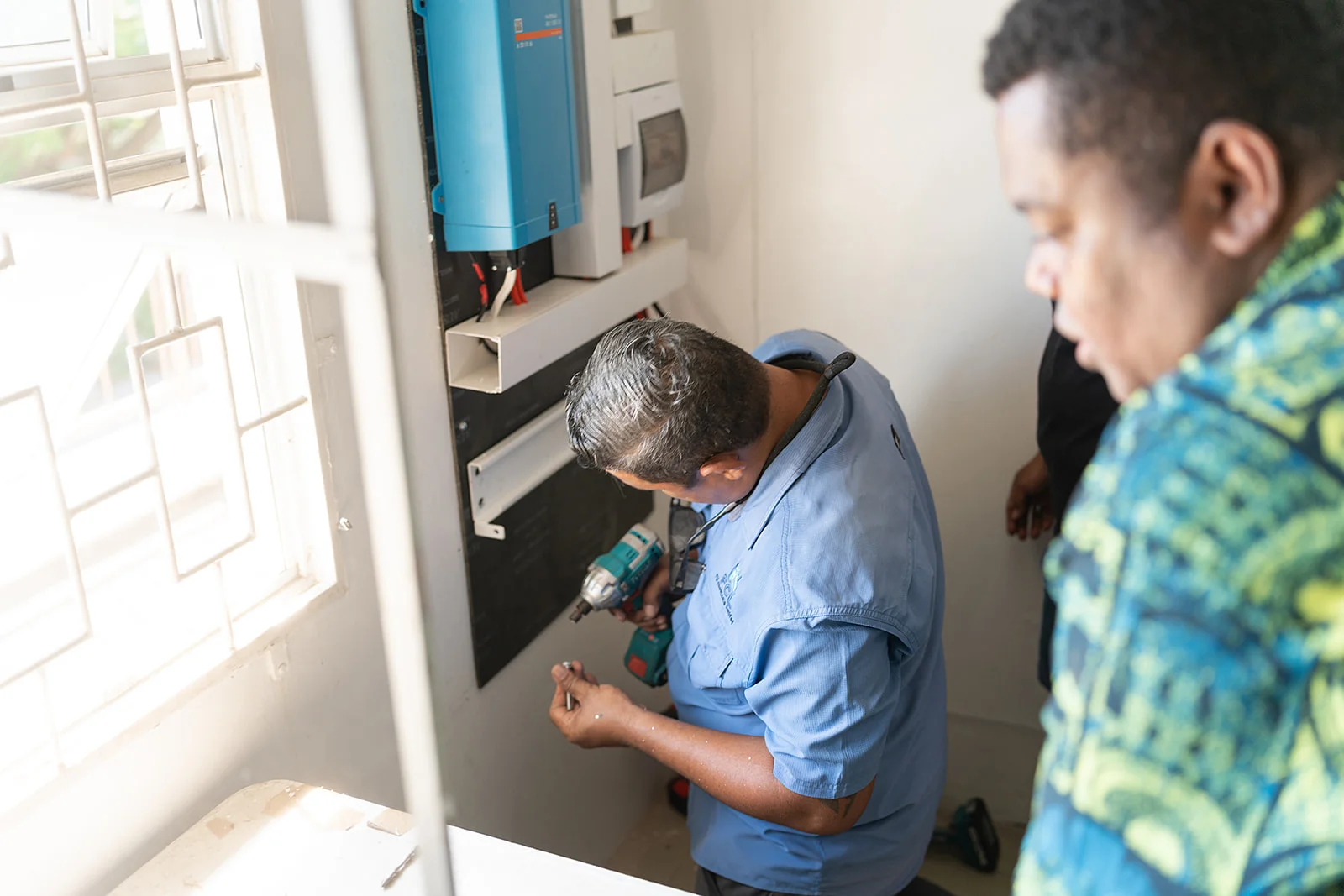
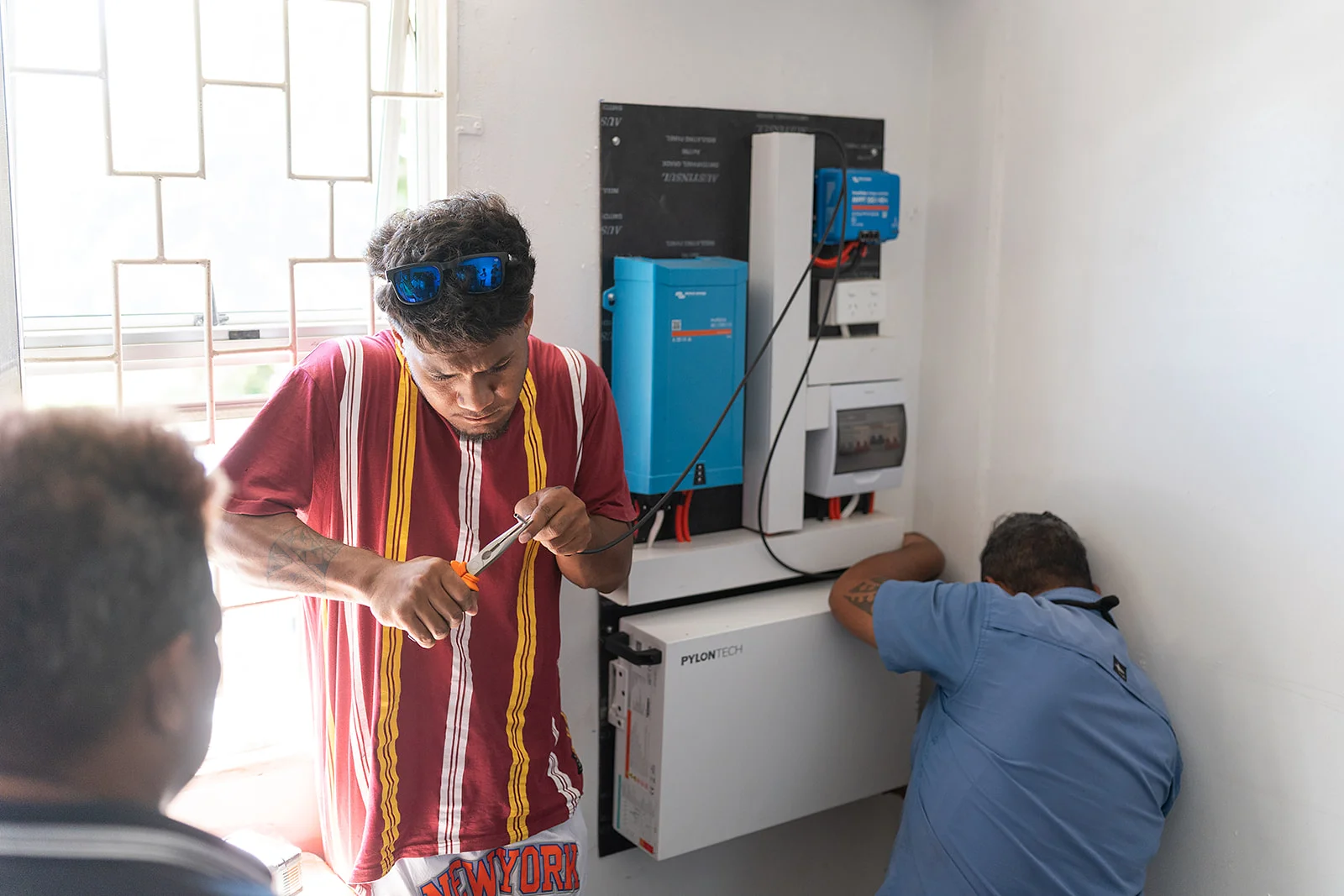
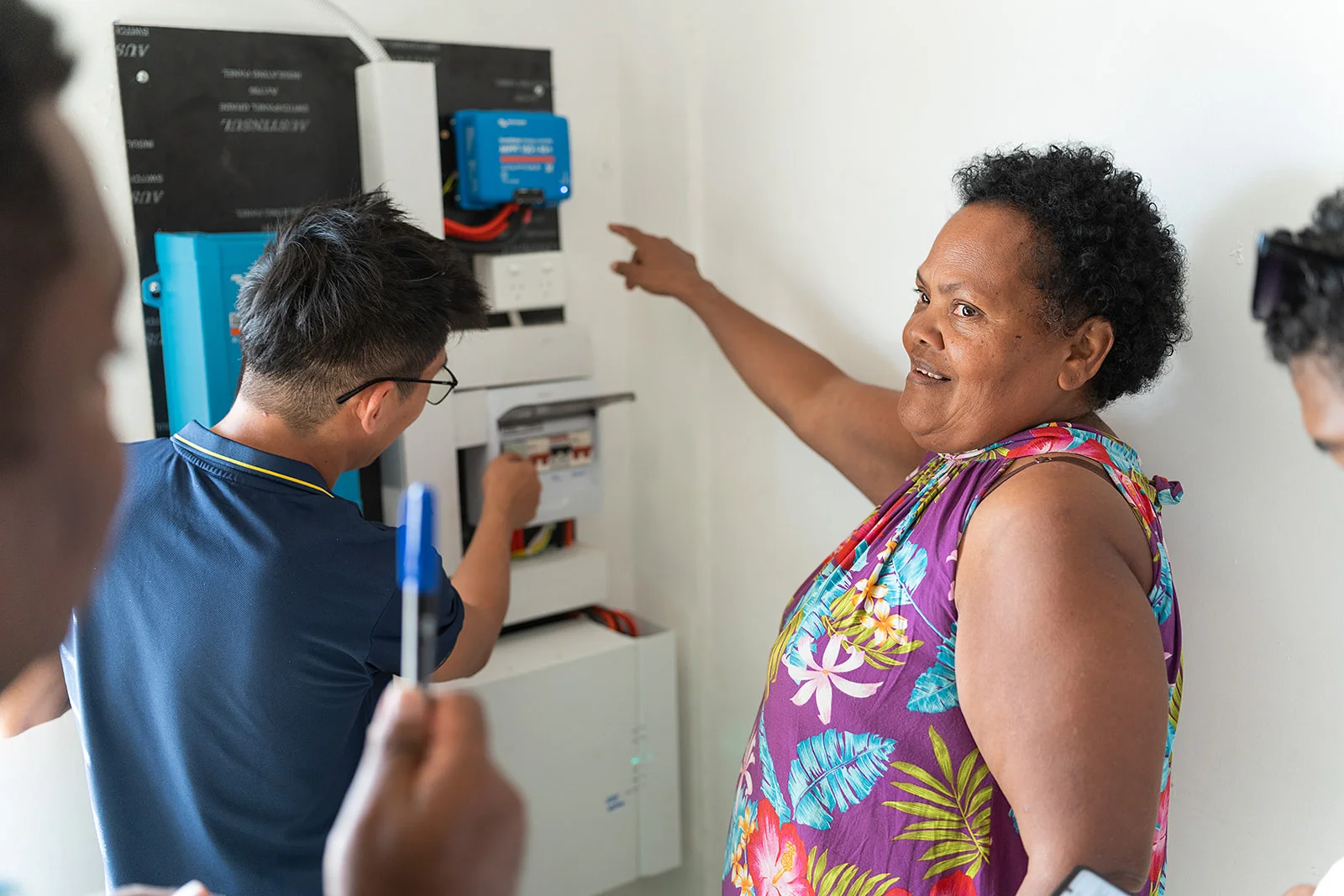
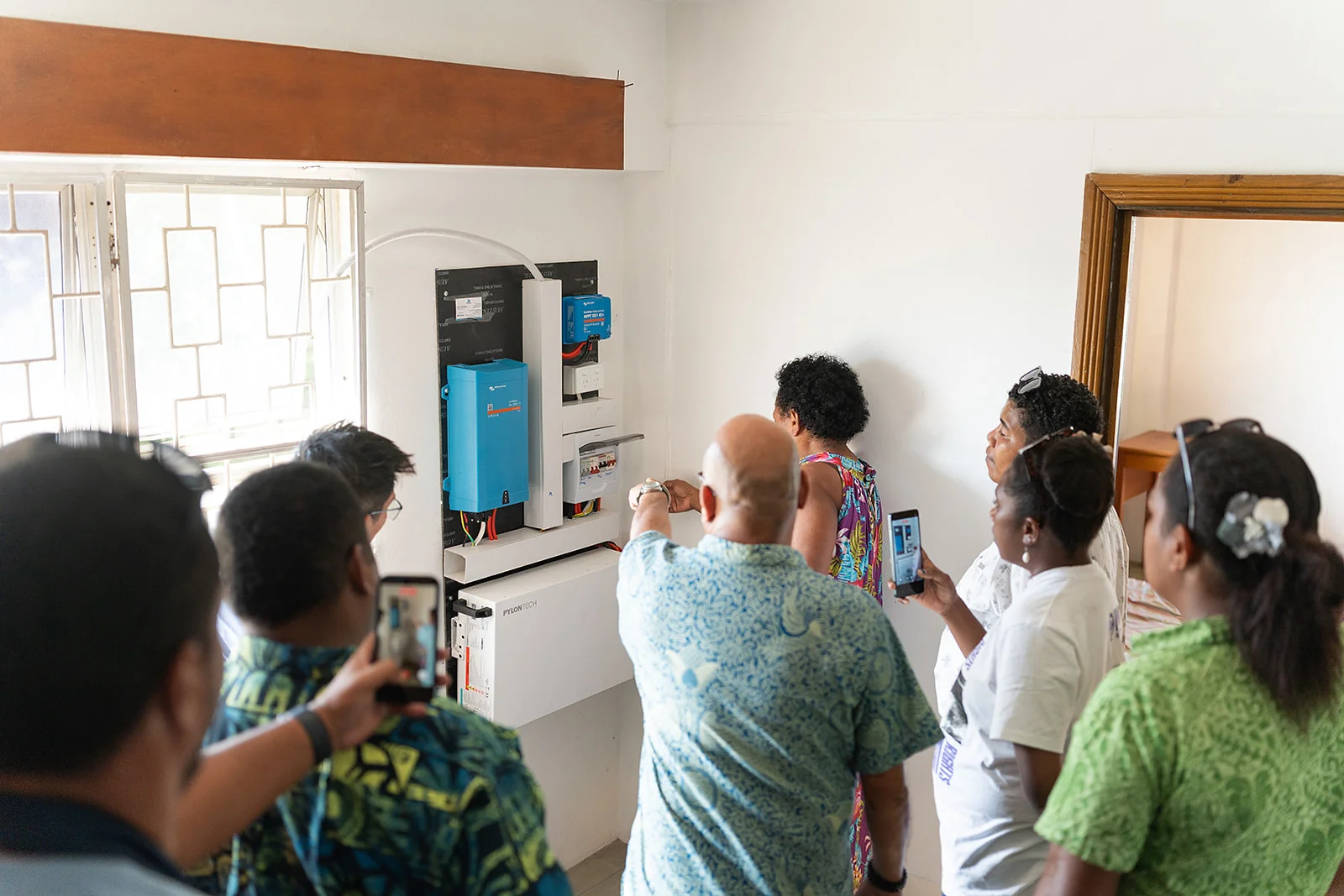
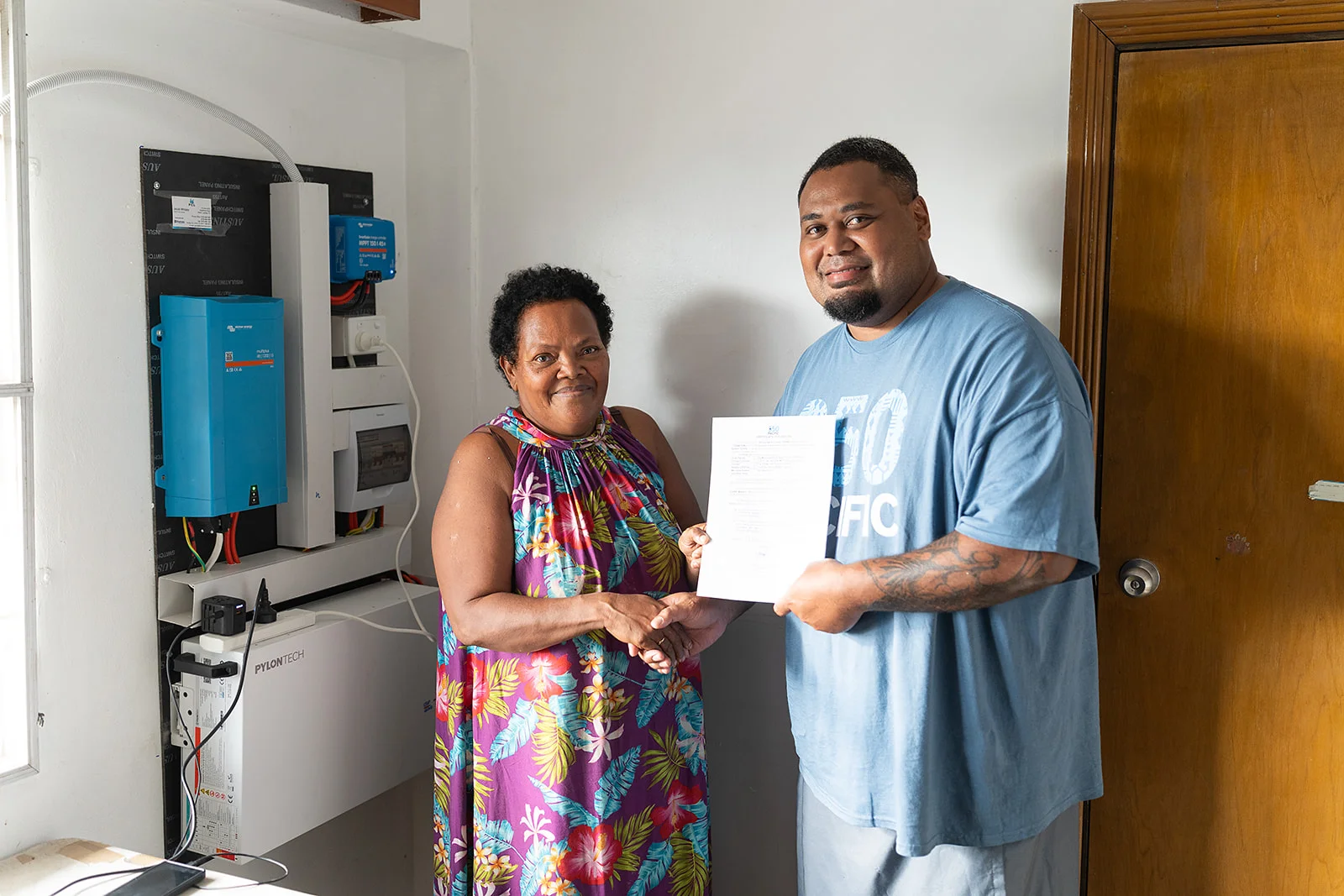
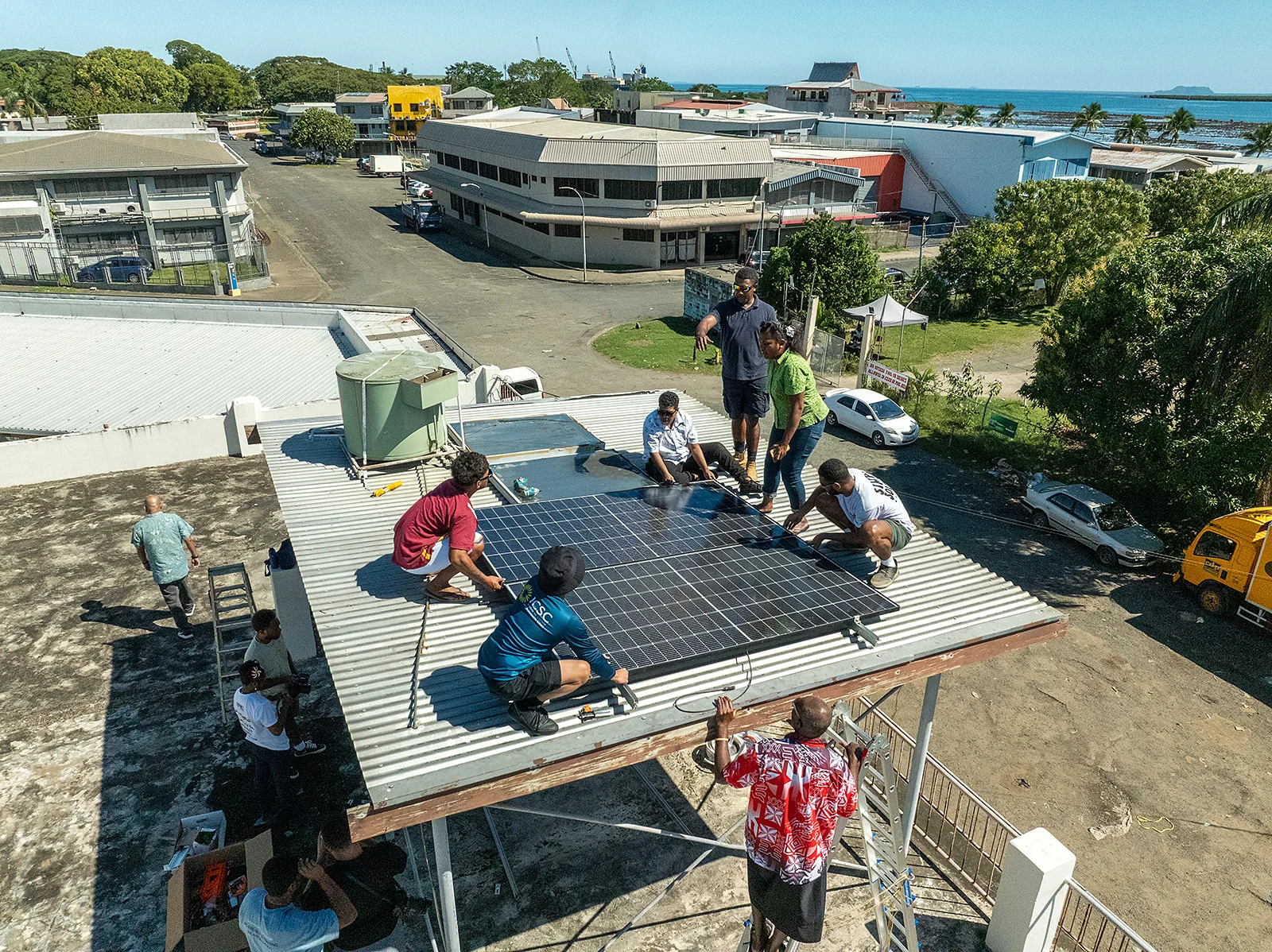
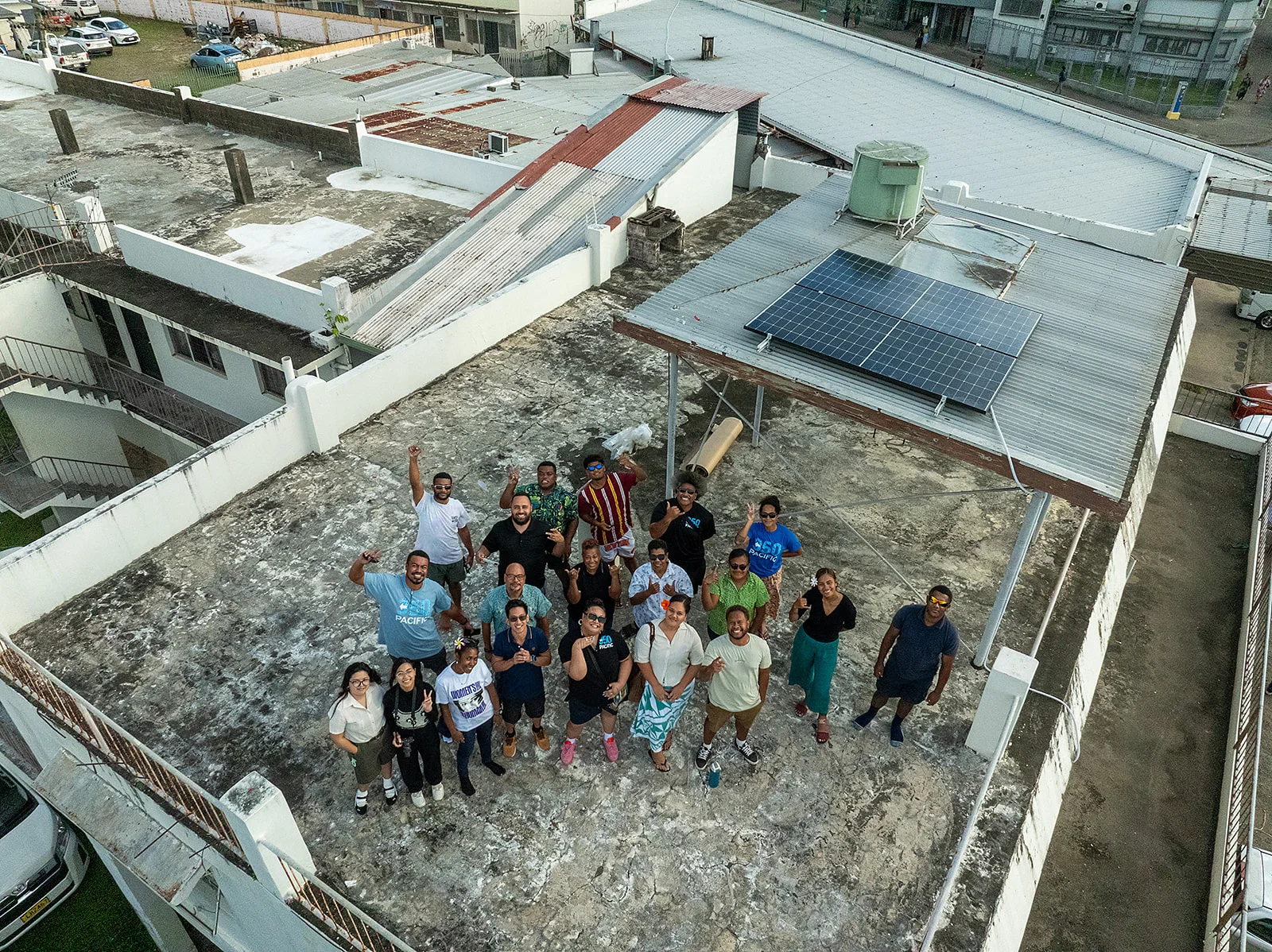
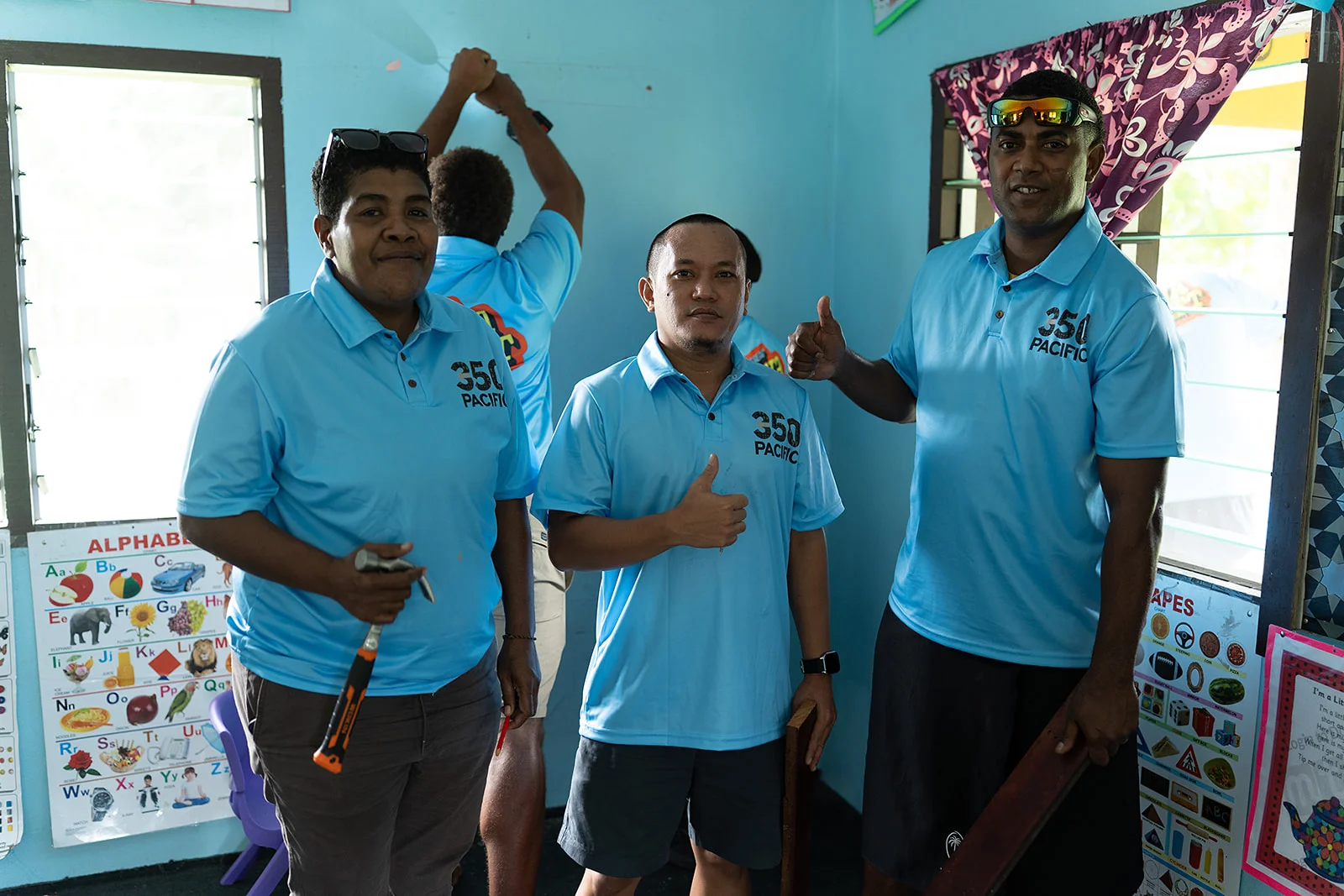
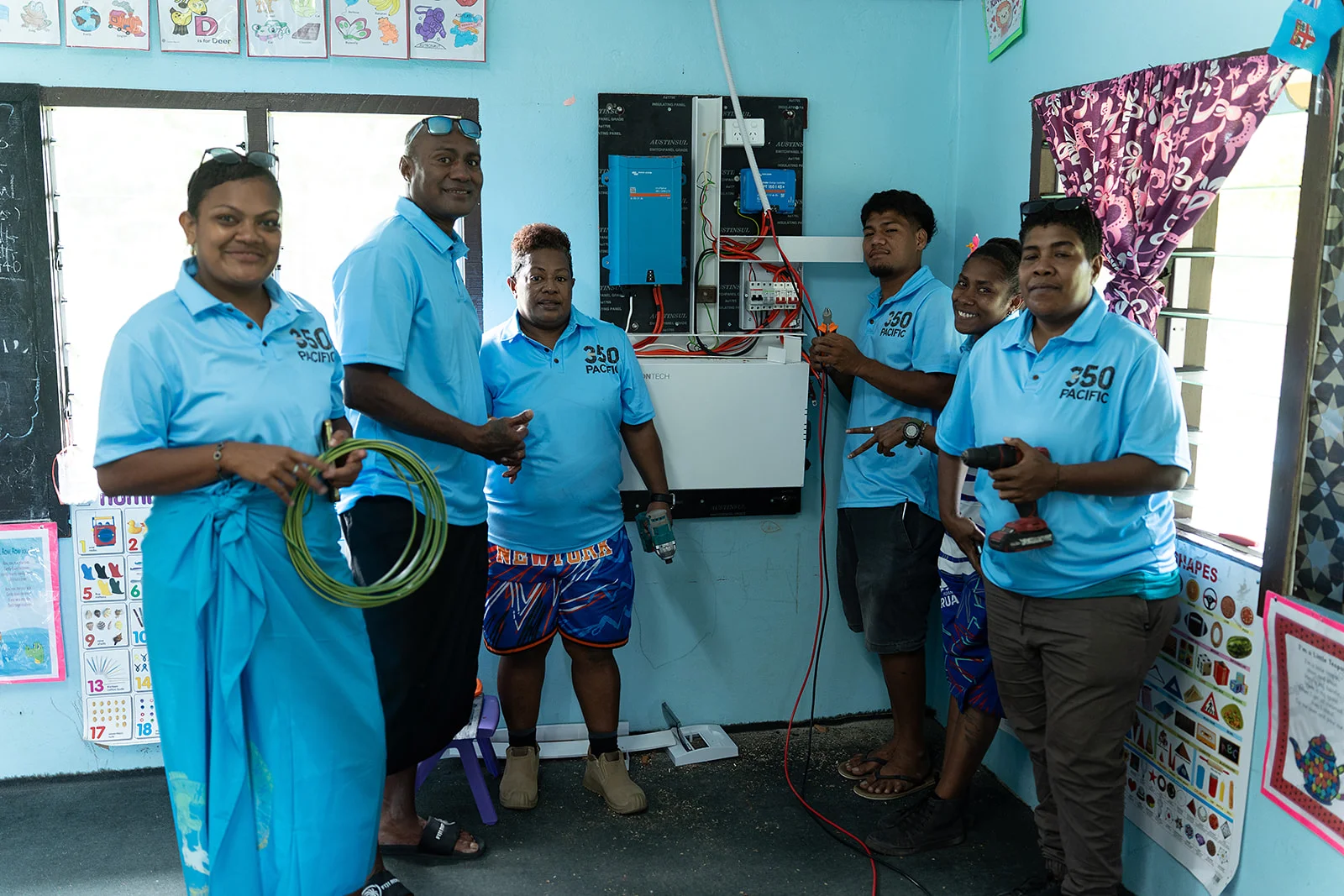
Following a safety briefing, our scholars executed their first live installation at the Fiji Council of Social Services (FCOSS) office—the Western Division’s central disaster response hub. Divided into rooftop and indoor teams under the Lautoka sun, participants bolted roof railings, mounted heavy storage batteries, and ran core system cabling. This clean energy system grants FCOSS total energy independence, eliminating their reliance on diesel generators and keeping vital communications online during crisis scenarios.
Solar Scholars Training • DAY 4
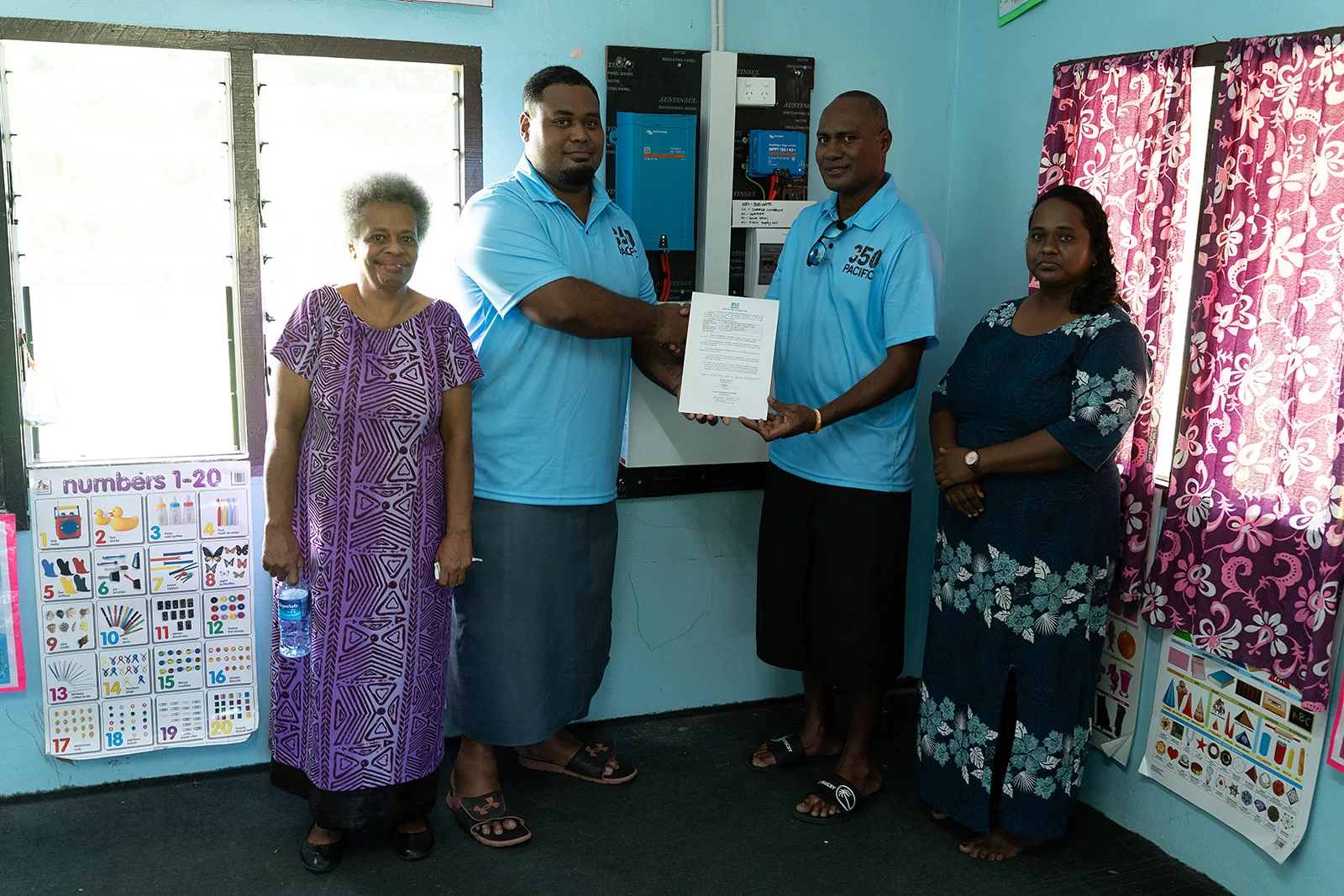
Final Installation & Community Celebration: Yavulo Village
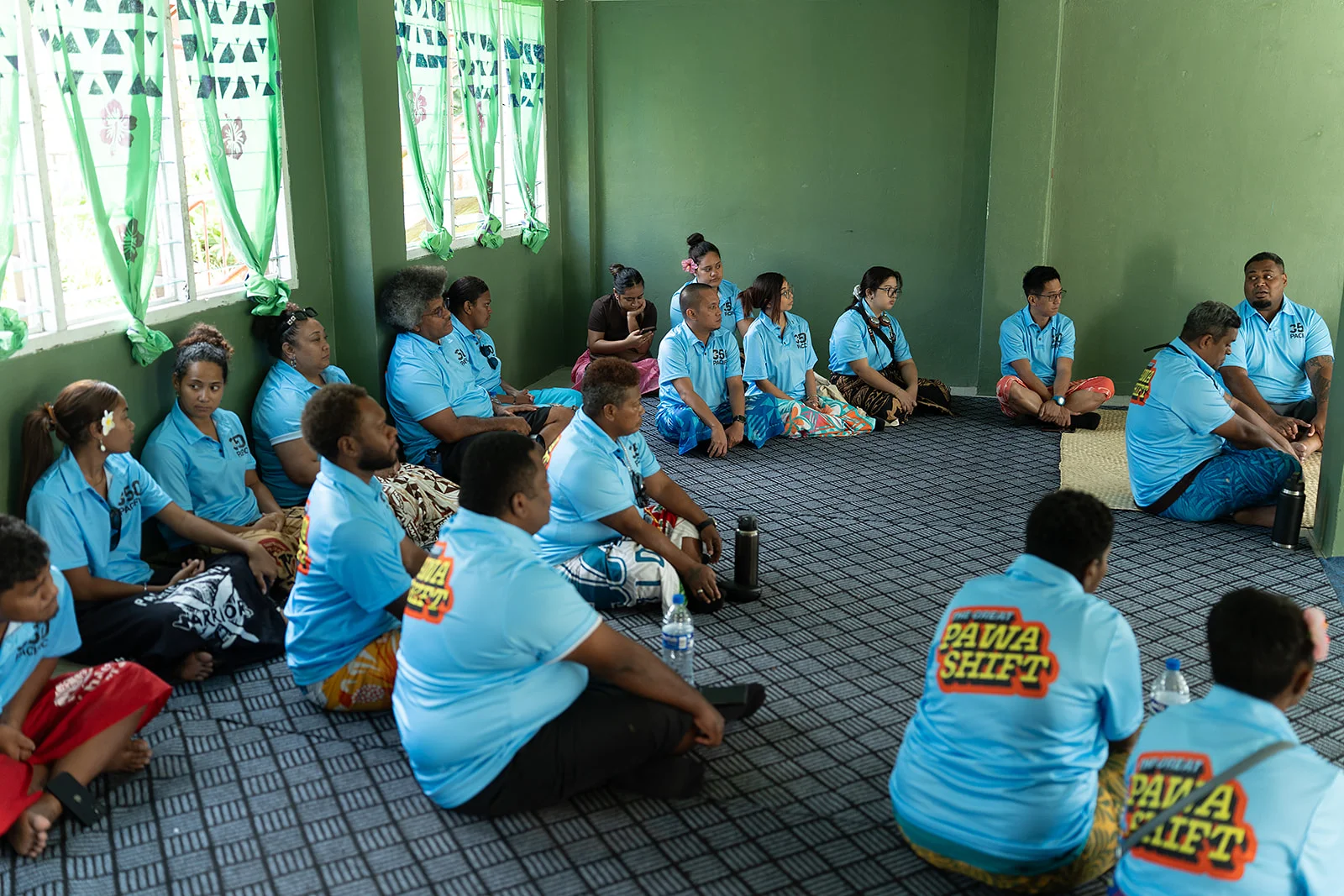
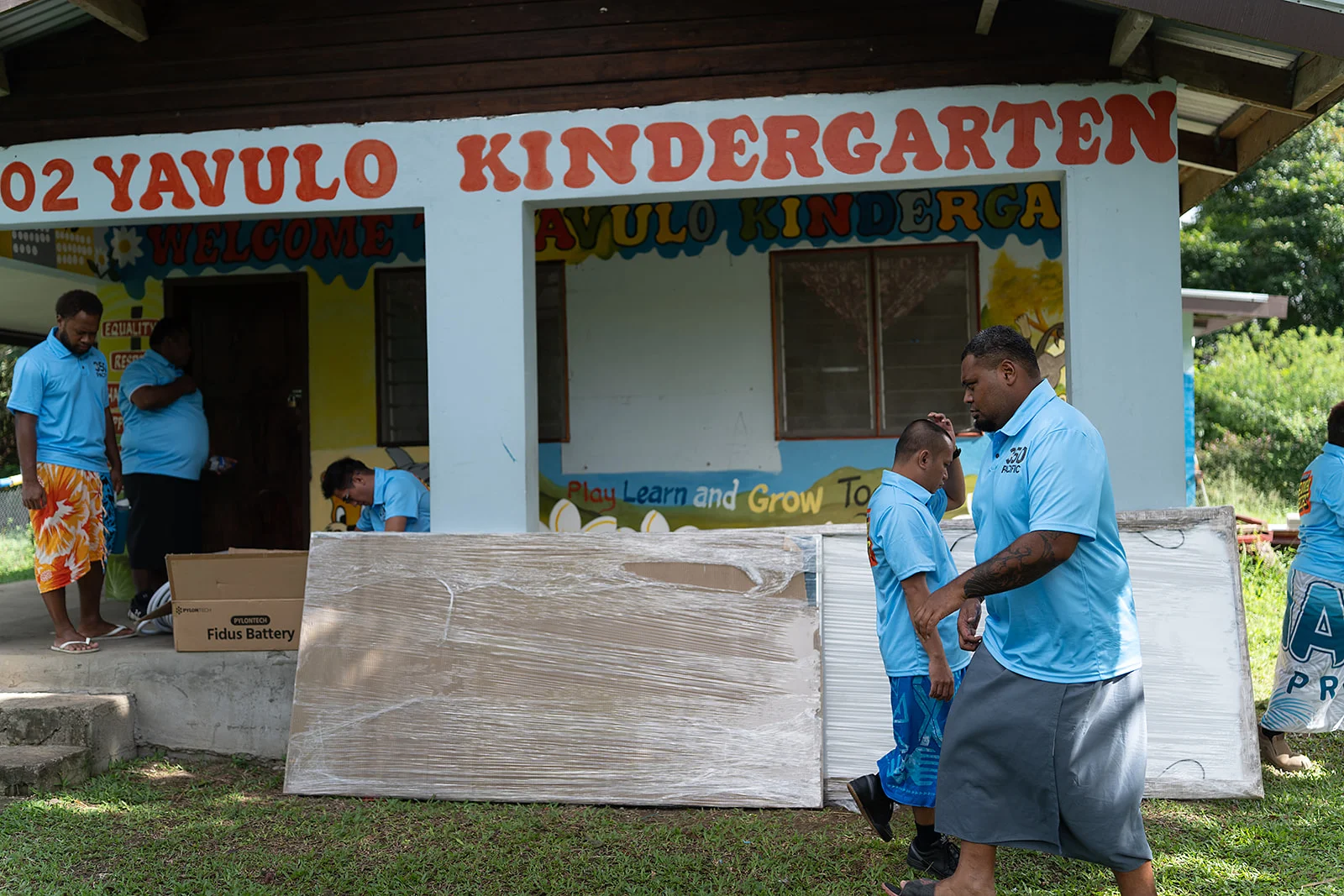
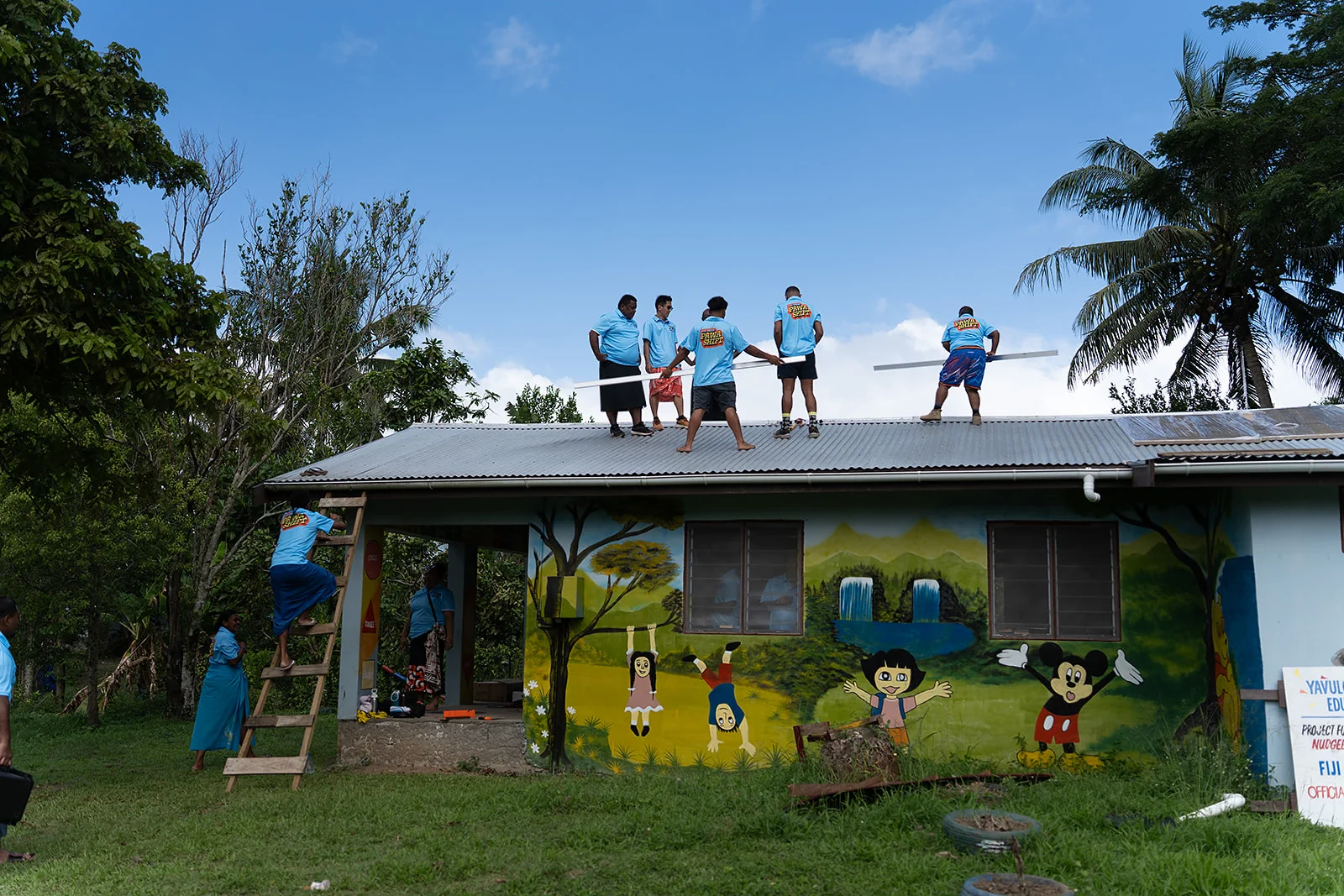
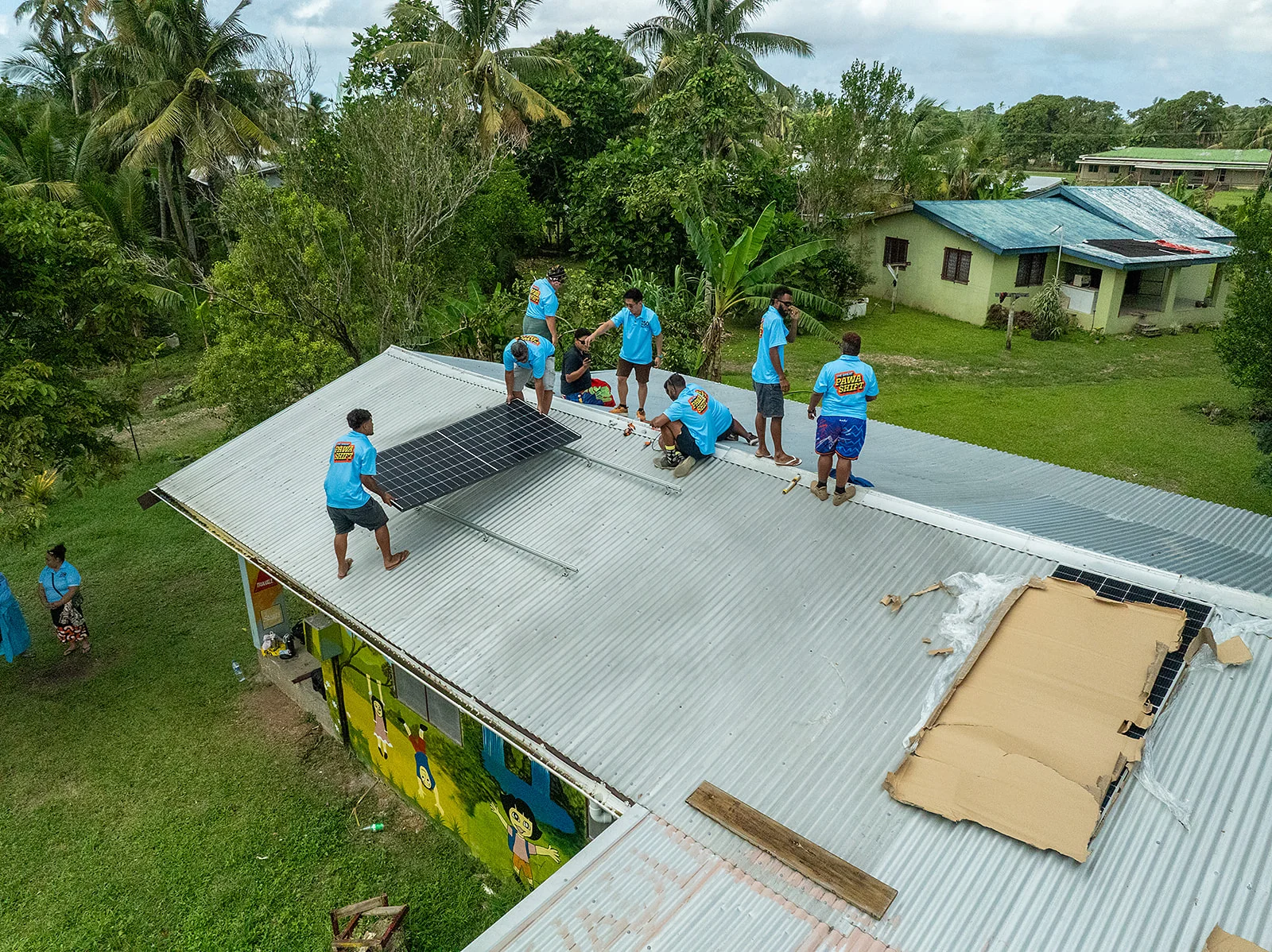
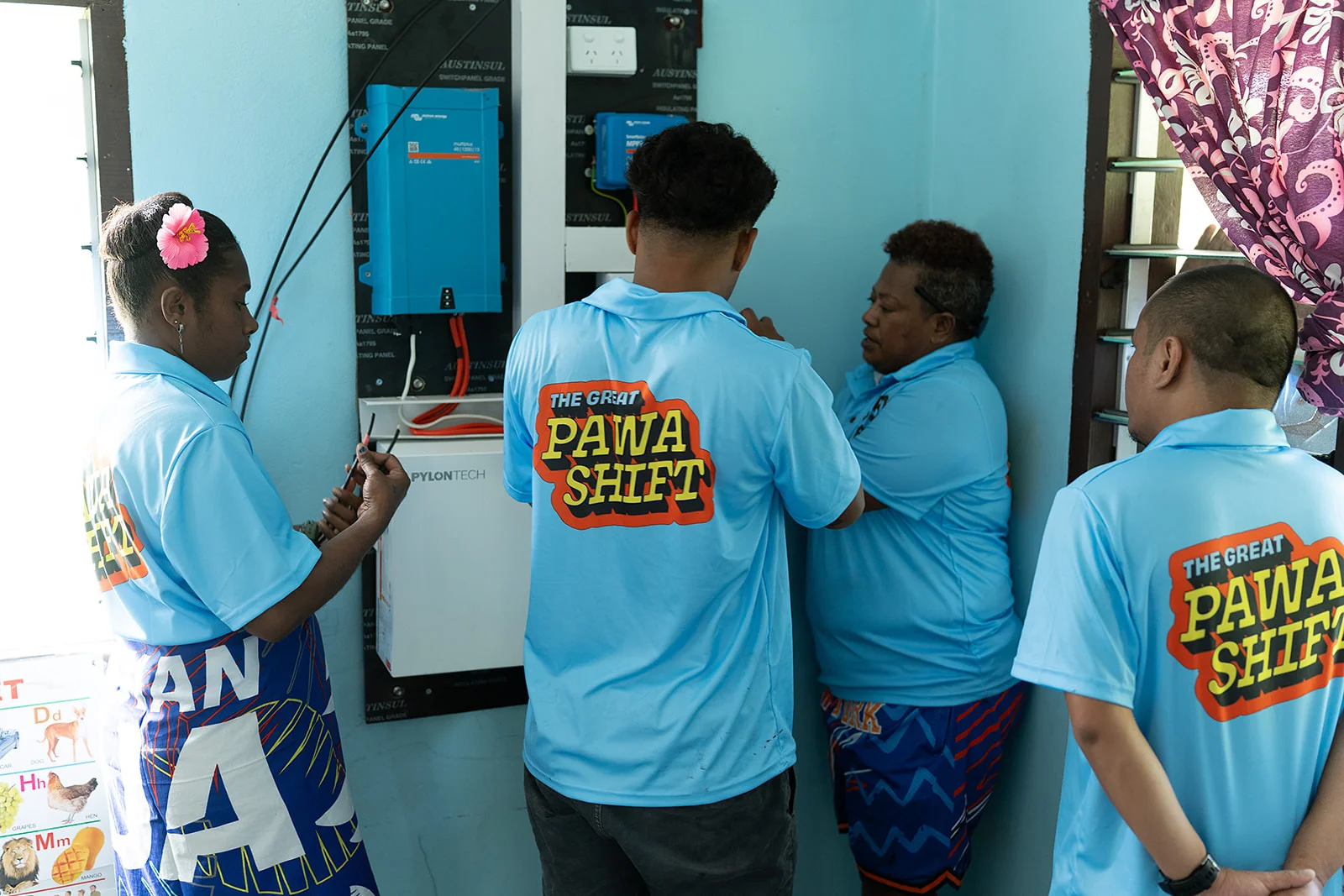
The final day of training brought our scholars to Yavulo Kindergarten in Sigatoka. After presenting a traditional sevusevu to the village elders, the team set to work, swapping roles from the previous day so everyone gained hands-on experience across all aspects of the build. Scholars successfully mounted the indoor battery systems and secured two massive 545-watt solar panels to the kindergarten roof.


REFLECTIONS FROM THE GROUND
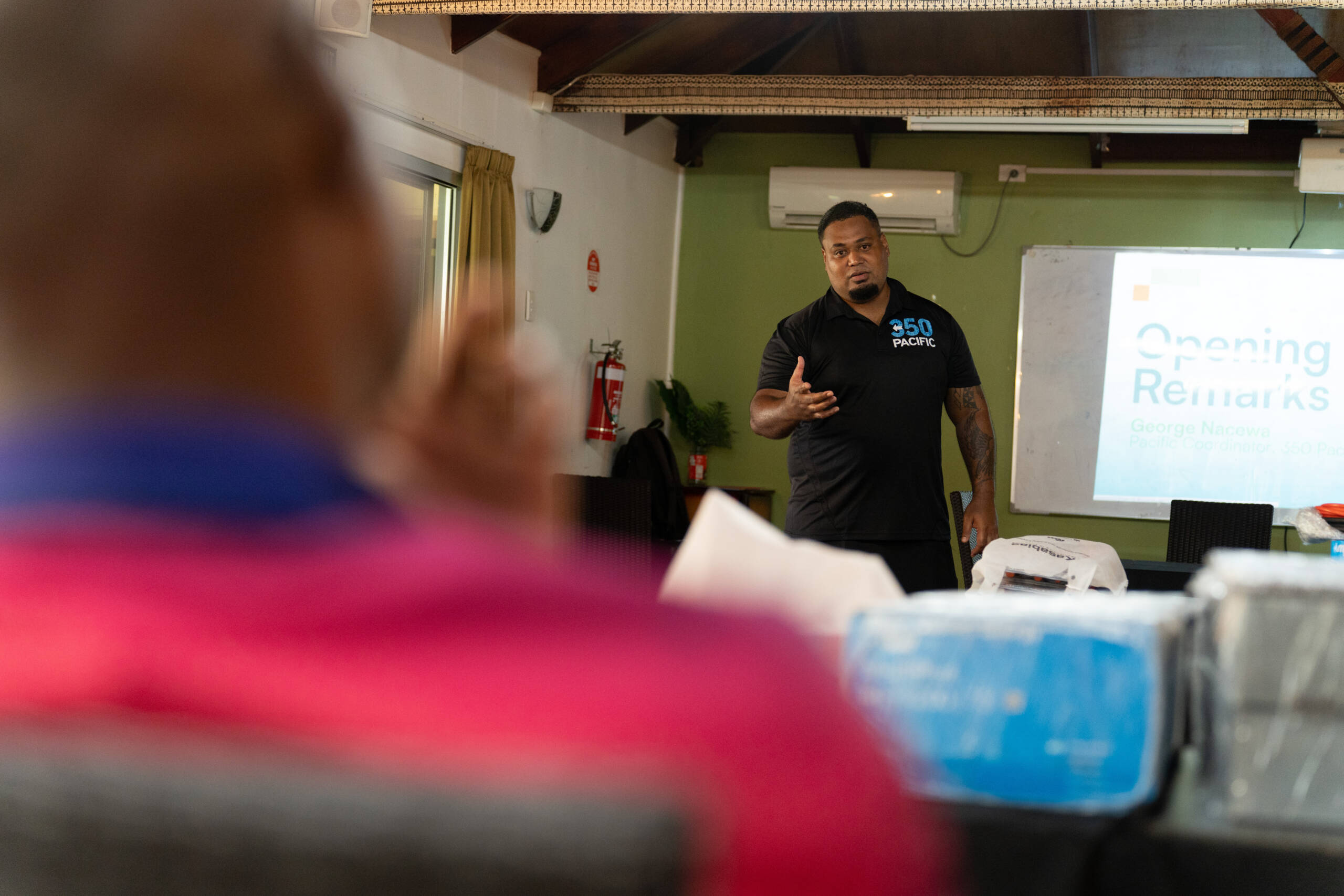
“We want to build a world beyond fossil fuels and build solutions to the current energy crisis. This training is the stone we cast into the ocean, with hopes that the ripples reach our communities…”
— George Nacewa, 350 Pacific.
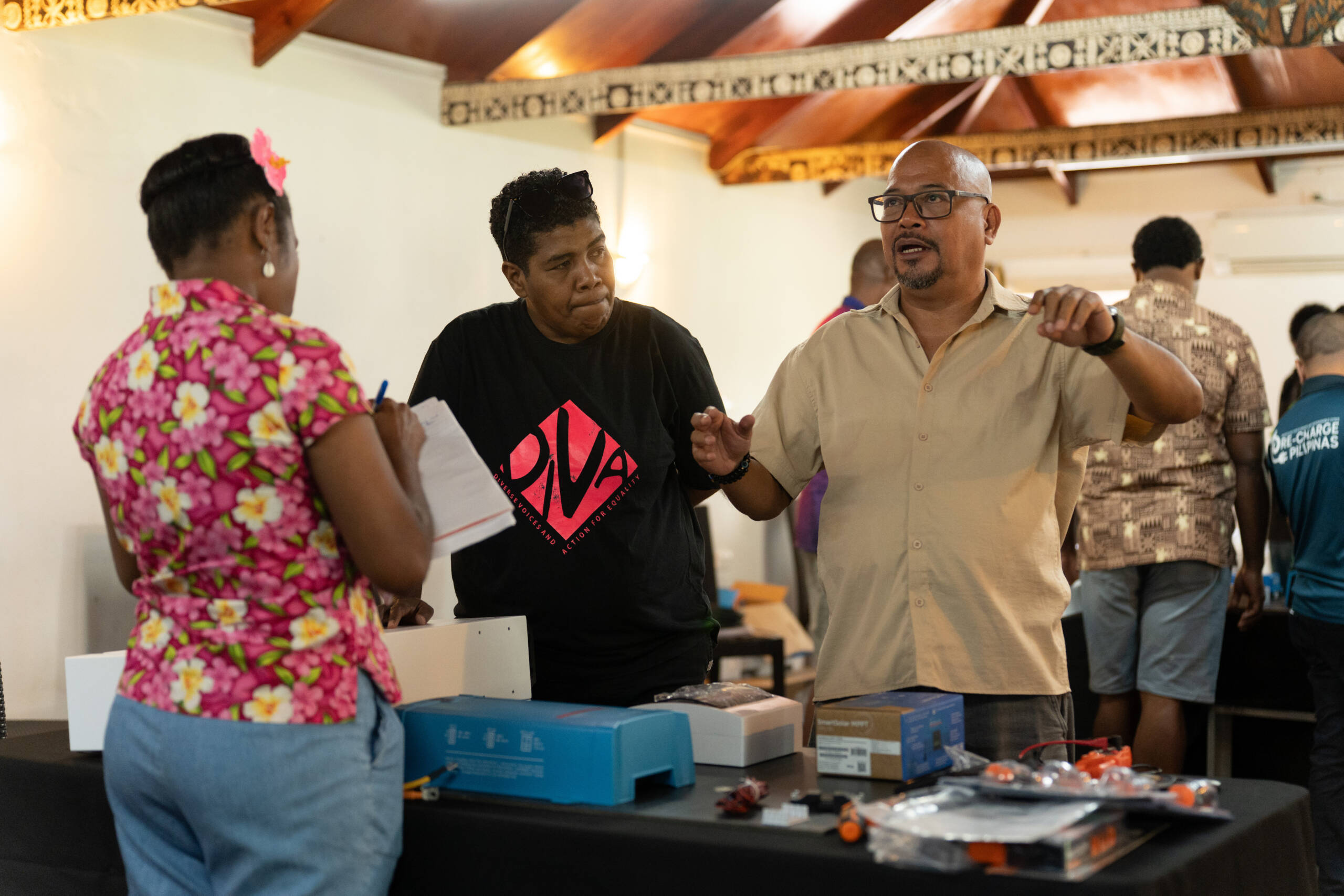
“The Solar Scholars training is not just about tech; it is also about building a community of practice. Locals who now have the capacity to harness the sun to power their homes…”
— Arturo Tahup, ICSC.
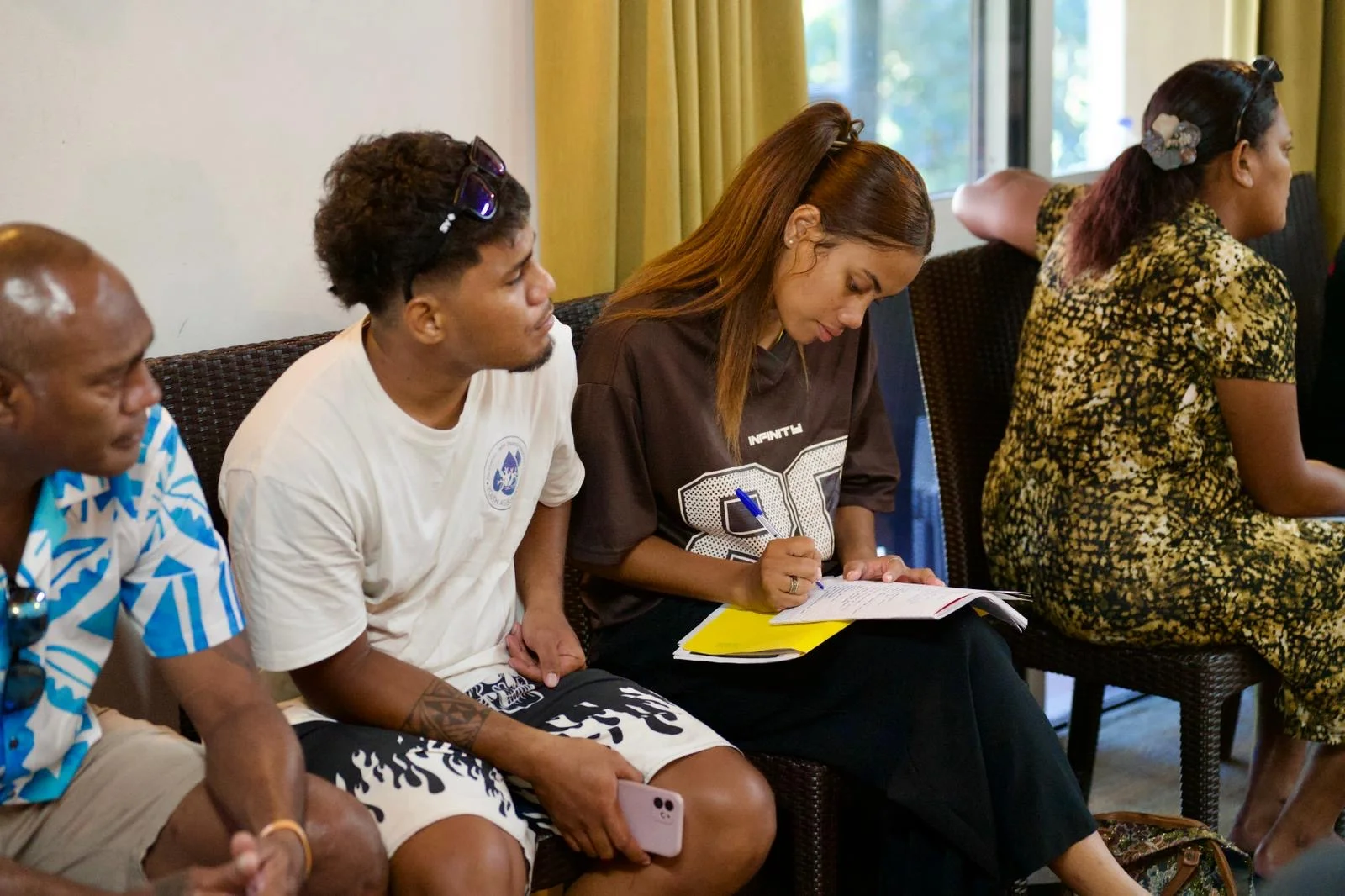
“I learnt that there is no one way to install a solar energy system, there are lots of techniques and styles. One group used one way of wiring and our group used a different way, it all depends on where you are going to install it.”
— Susan Pita, PCW, Community.
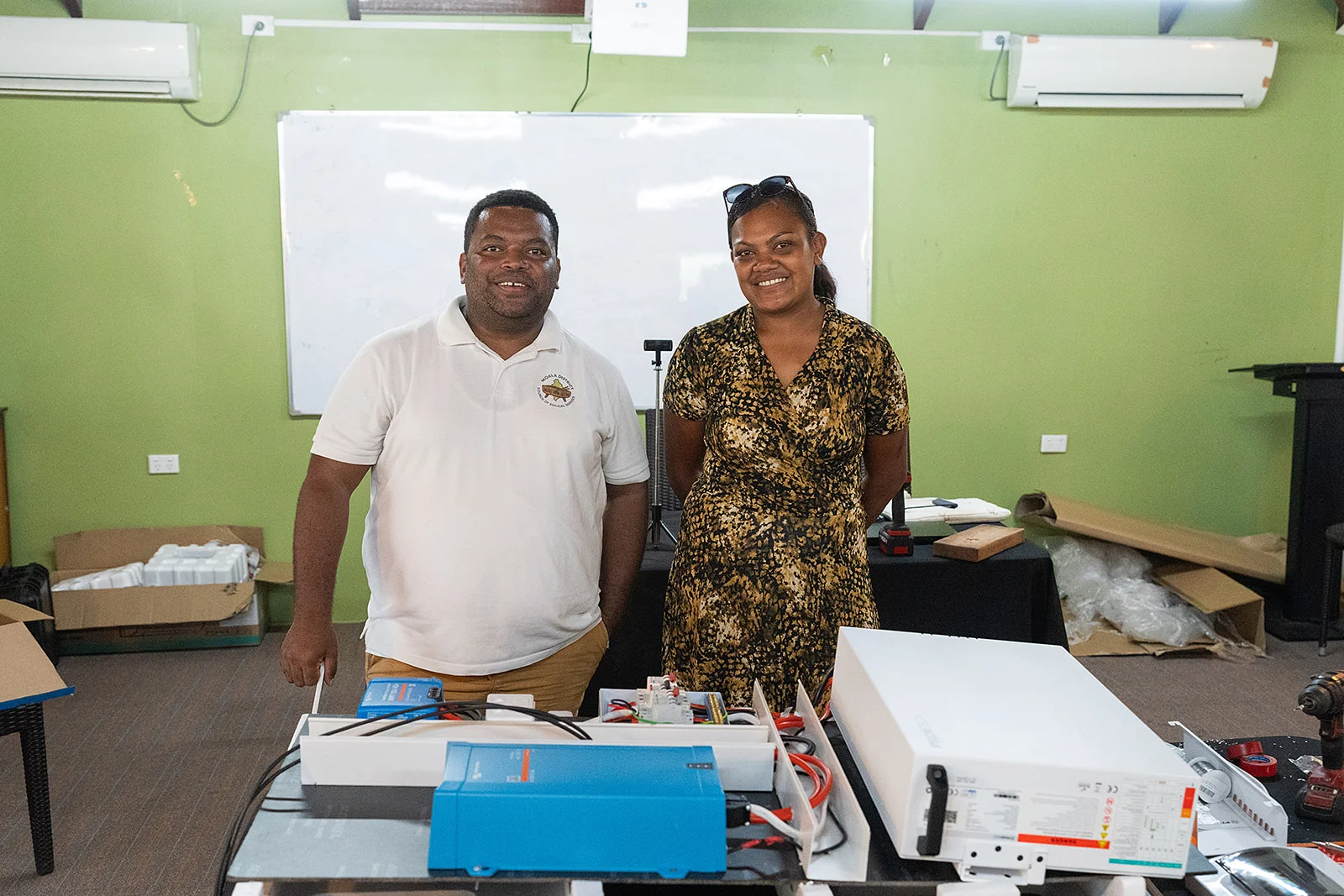
“We learnt new things about solar panels, and the fact that they can be used even when damaged, which I didn’t know. For the practical sessions, I had the realisation that even with my limited knowledge, by coming together with my group we could do something useful.”
— Josaia Tokoni, Fiji Council of Social Services.
“In the process of learning, there was also joy and peer-learning. If we were unsure of certain processes, we would huddle as a team and ask each other. Only if we were still unsure, would we reach out to the facilitators.”
— Ilaisa Kauyaca, DIVA for Equality.
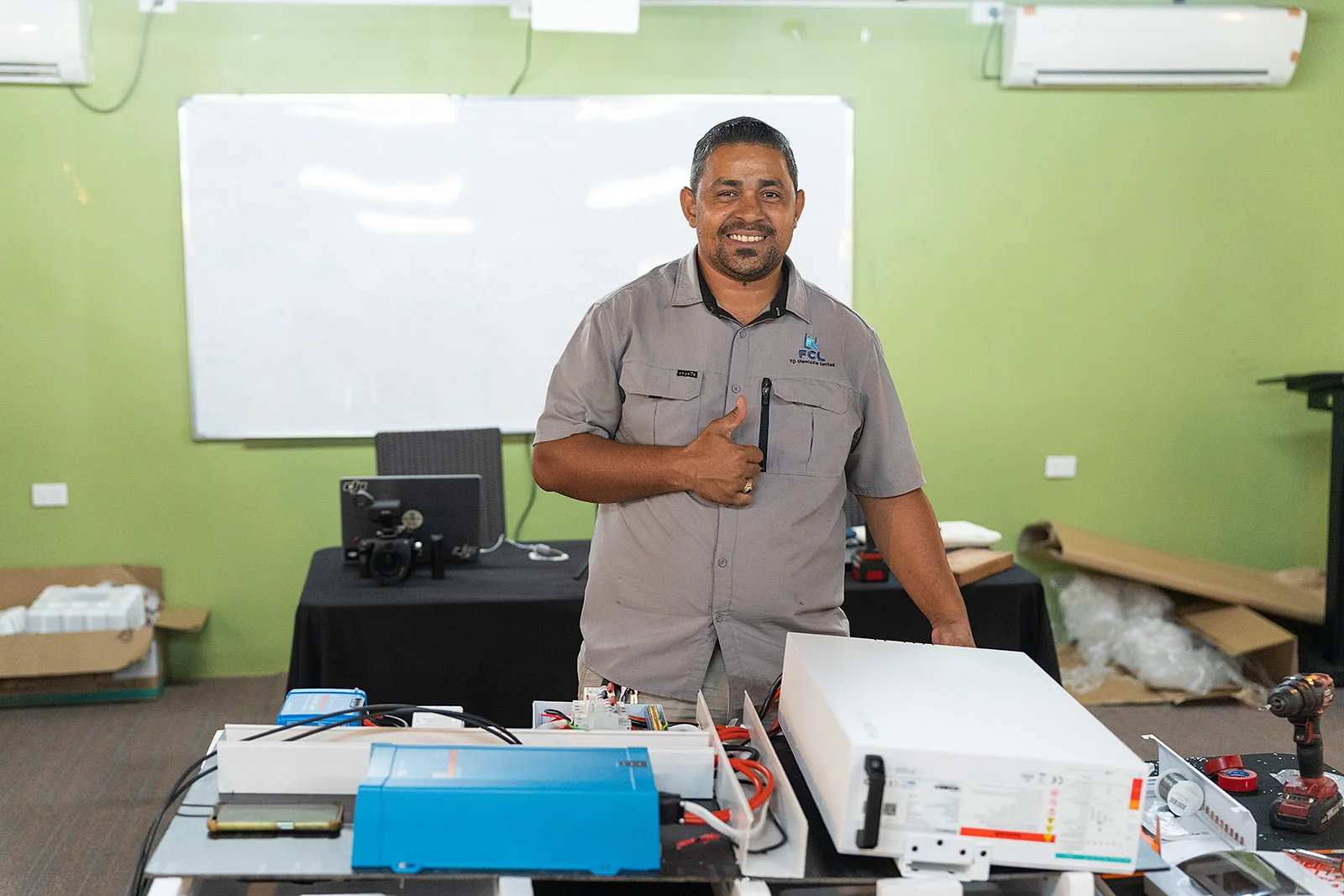
“As technical people, it was good to come in and understand the proper systems of how things should safely work. The things we overlook in the basics.”
— Jacob Whippy, Fiji.
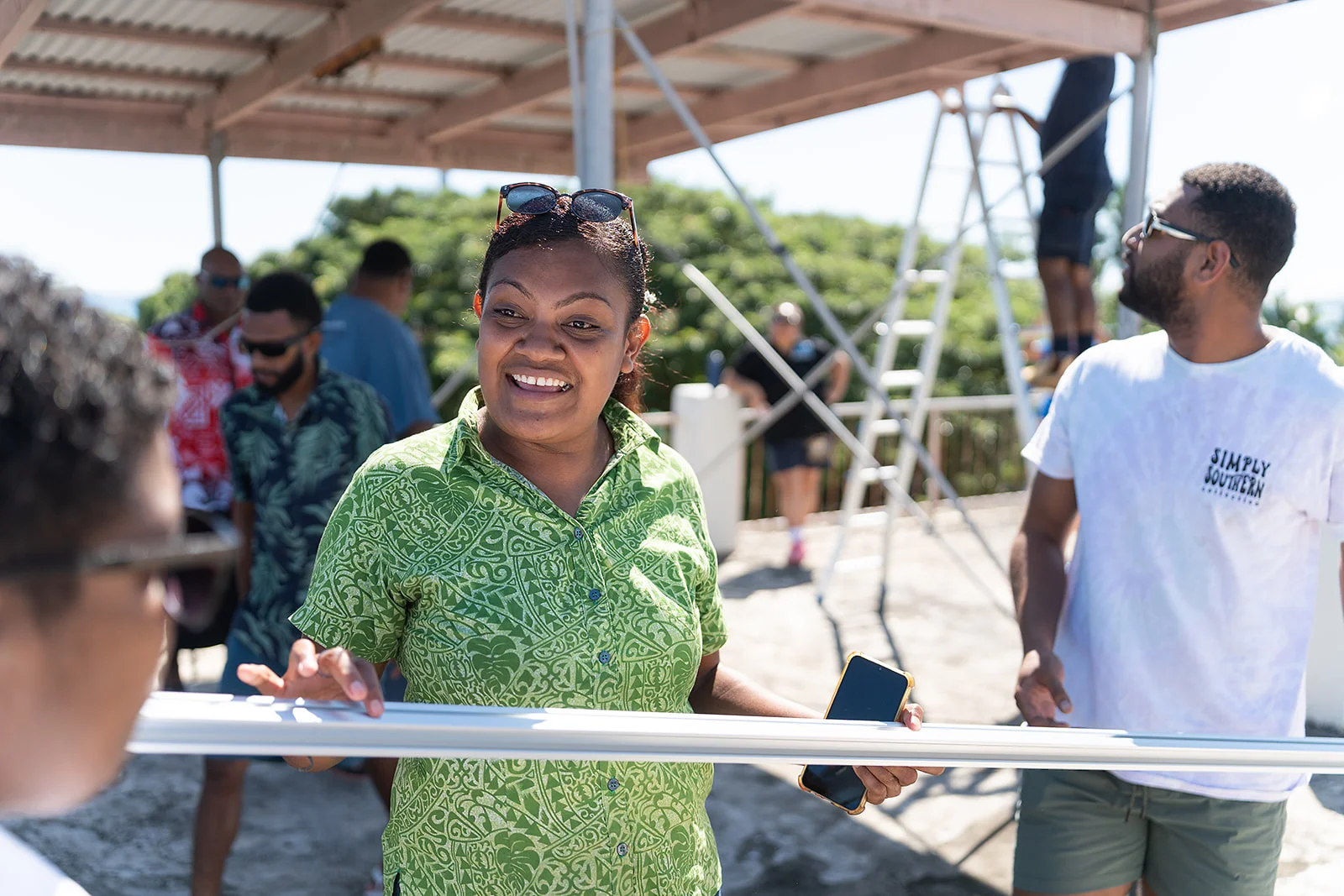
“Today we installed the solar PV system in the FCOSS office. I was a part of the team working to secure the solar panels to the roof. It was quite hot but not too difficult and I feel really excited that finally, I know how a solar energy system works and how to install it myself.”
— Miliana Frances, Fiji Council of Social Services.
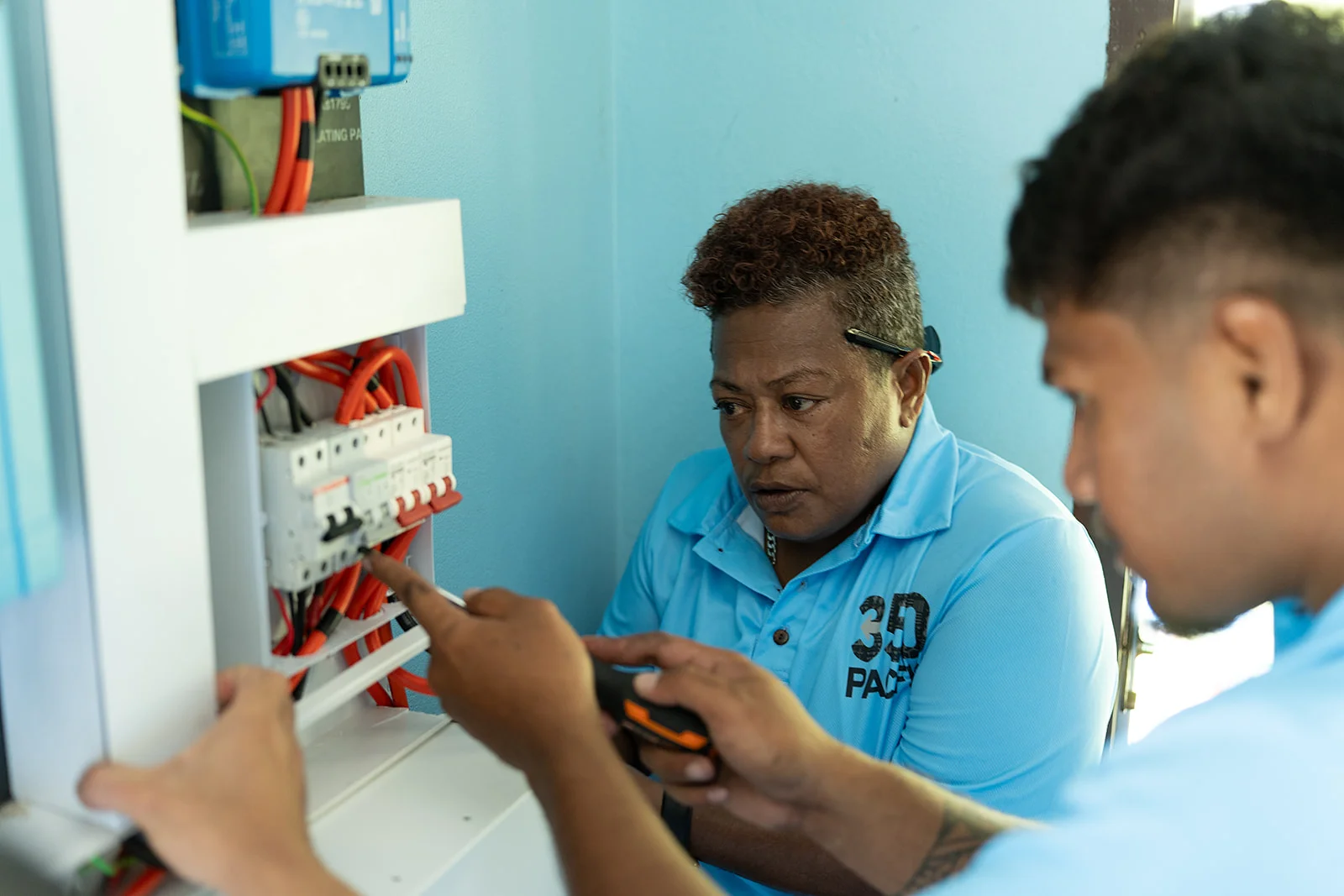
“It was a little bit harder getting the screws through the wall because it was thick, but we got there. We had to bolt the frame, sit the battery on the framing and then connect the PV system to the cables running down from the solar panel.”
— Narieta Marama, DIVA for Equality.
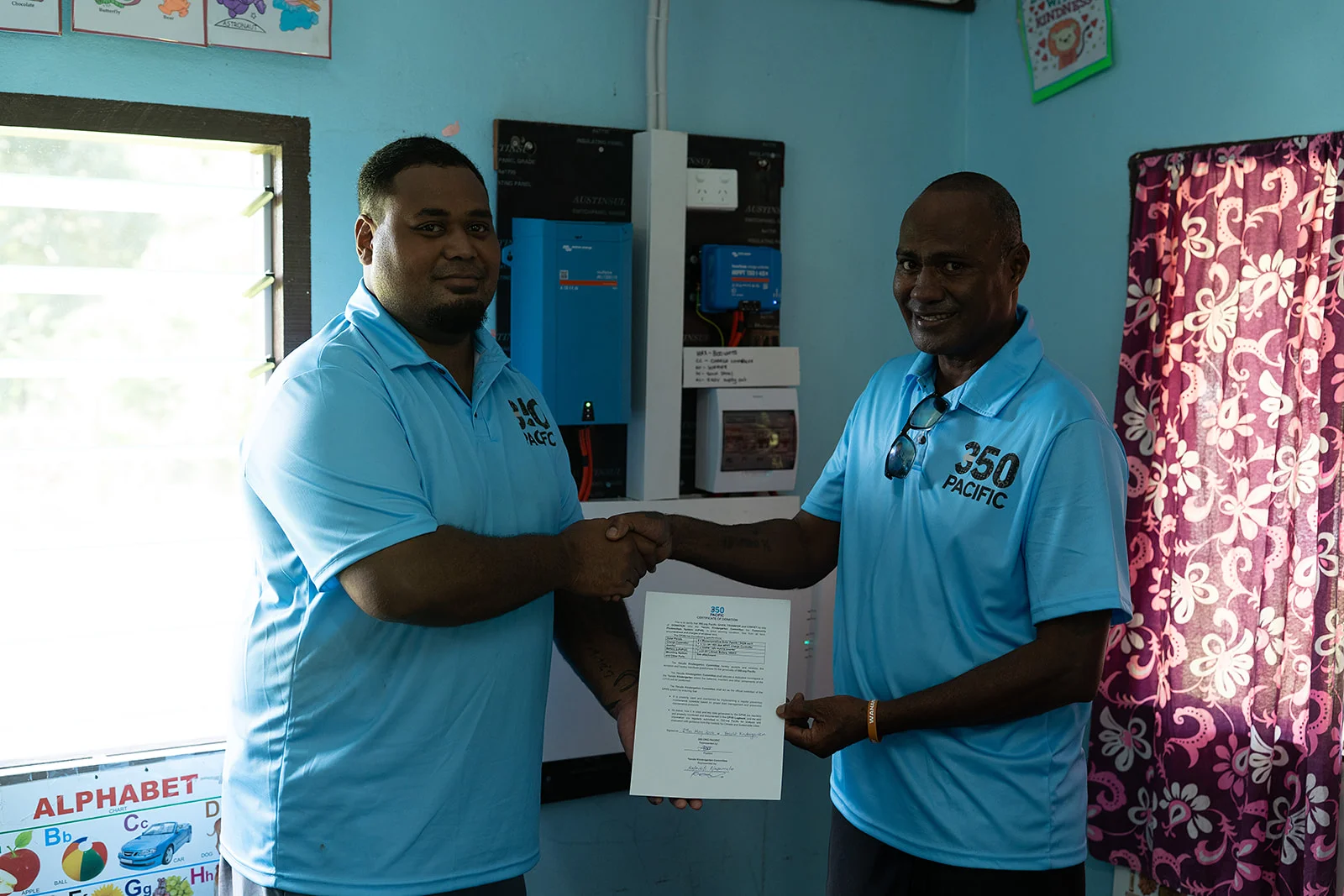
“I was on the roof to install the solar panels and I will be the one to come and dismantle it if we need to take them off. I will also make sure to clean them regularly, to take care of the work we did here.”
— Kalaveti Nasamila, Yavulo Kindergarten Manager.
LATEST SOCIAL UPDATES
View this post on Instagram
View this post on Instagram
View this post on Instagram
Sign the petition
They Profit. We Pay. It’s time for the Great Pawa Shift!
Every day, we are paying for a crisis we didn’t create, through higher energy bills, rising food prices, and the growing cost of climate disasters hitting our communities.
Meanwhile, fossil fuel companies continue to profit, backed by billions in public subsidies.
The cost of living crisis and the climate crisis are not separate; they are driven by the same system.
As long as our economies depend on coal, oil, and gas, prices will remain unstable, bills will keep rising, and communities will keep paying the cost.
Fossil fuels don’t just heat the planet, they make life more expensive. Add your name and demand governments create a fair, affordable energy system for all.
To President Emmanuel Macron (G7 President, France), Minister Murat Kurum (COP31 President, Türkiye), Minister Chris Bowen (COP31 President of Negotiations, Australia), and all governments
We call on governments to ensure affordable renewable energy for all by shifting money away from fossil fuels and towards clean, safe renewable energy for homes, communities and businesses. They should do this by:
- Implementing a permanent windfall tax on fossil fuel profits, and using the revenue to directly support households and reduce energy costs worldwide;
- Ending fossil fuel subsidies and replacing them with direct support for vulnerable households and investment in renewable energy systems that deliver affordable, reliable power for everyone.